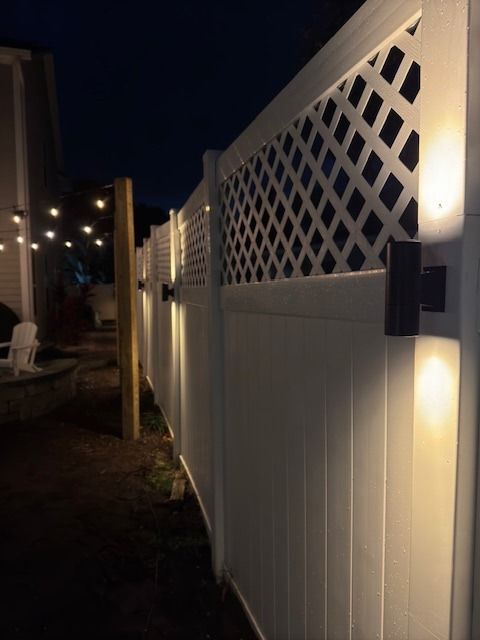
Warm White vs Cool White Outdoor Lighting for Florida Homes
Choosing between warm white and cool white outdoor lighting can have a noticeable effect on a Florida home. Stucco, palms, pavers, pool water, stone, and tropical landscaping all respond differently to color temperature. The wrong choice can make exterior surfaces look overly yellow, washed out, or harsh.
Florida homes also rely heavily on outdoor spaces after sunset, from patios and pools to walkways and landscaped areas. Warm white tends to create a softer residential feel, while cooler white can give architectural details a cleaner, sharper appearance. Fixture placement, brightness, beam spread, surface colors, and glare control matter just as much as Kelvin.
Aloha Outdoor Lighting designs customized lighting systems for Jacksonville-area homes, matching color temperature and fixture placement to each property's architecture, landscaping, and nighttime use.
What Warm White and Cool White Actually Mean Outdoors
Outdoor LED color temperature is measured in Kelvin, shown as K. Lower Kelvin values produce warmer light with amber or golden characteristics. Higher values create a cleaner white appearance that gradually becomes cooler and more blue-white.
Residential outdoor lighting commonly uses 2700K and 3000K. A 2700K LED resembles the warmth associated with traditional incandescent lighting, whereas 3000K looks slightly cleaner while retaining warmth. Neutral and cooler outdoor lighting generally falls around 3500K to 4000K, with 5000K producing a noticeably cooler appearance.
Kelvin should not be confused with brightness. A 4000K fixture is not automatically brighter than a 2700K fixture. Actual illumination depends on lumen output, optics, beam angle, fixture position, distance from the illuminated surface, and reflectivity.
Cooler light can appear brighter to the eye because it creates stronger visual contrast on certain surfaces. That perception sometimes leads homeowners to select a higher Kelvin rating when the real problem is poor fixture placement or insufficient output.
Why Warm White Works So Well on Florida Homes
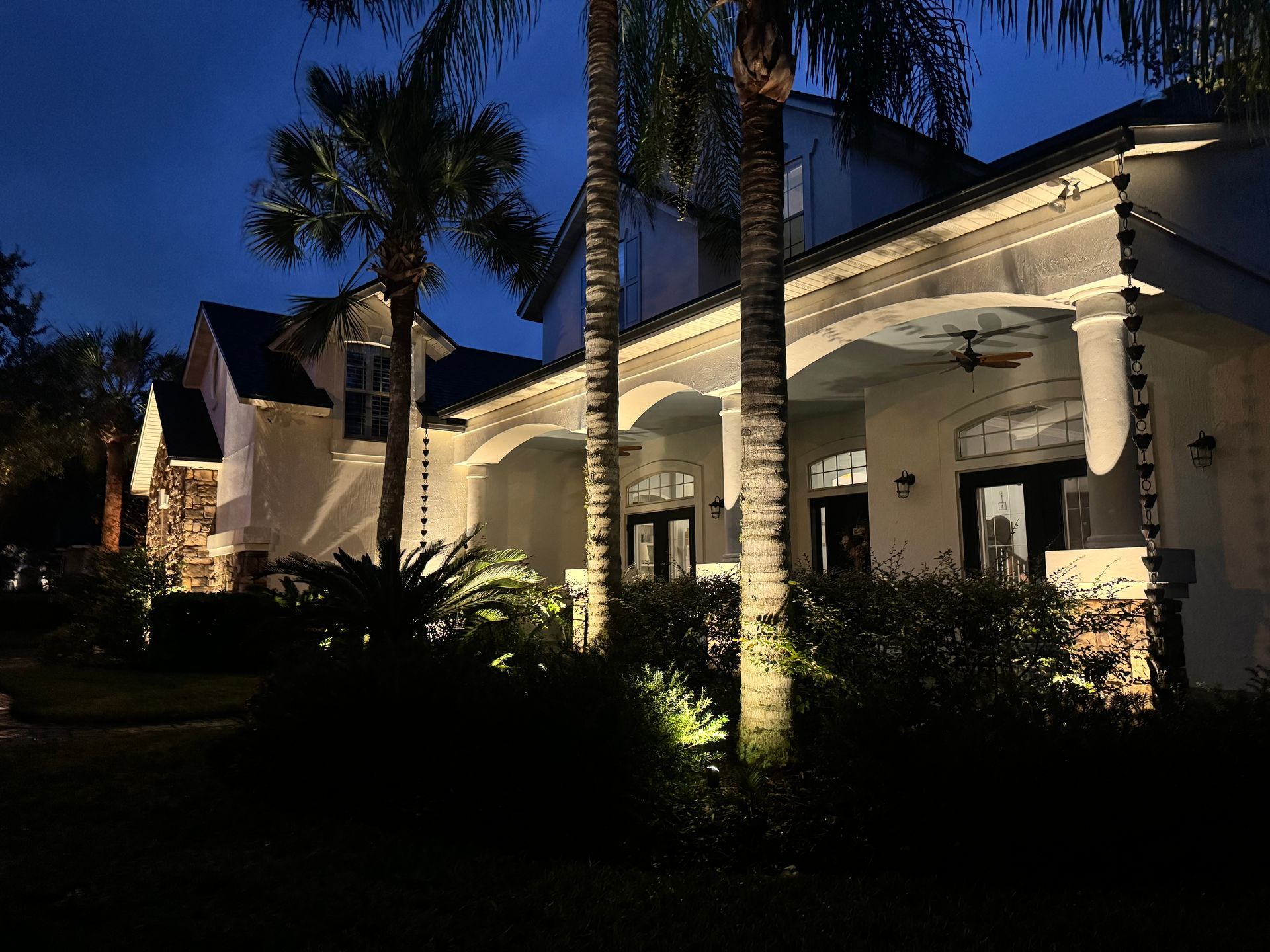
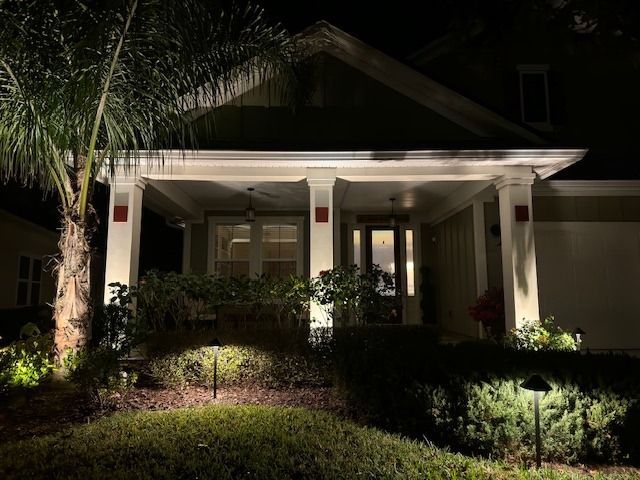
Warm white pairs naturally with many materials used in Florida residential architecture. Beige and cream stucco, tan pavers, natural stone, wood details, clay-toned roofing, and warm masonry tend to retain their richness under 2700K or 3000K illumination.
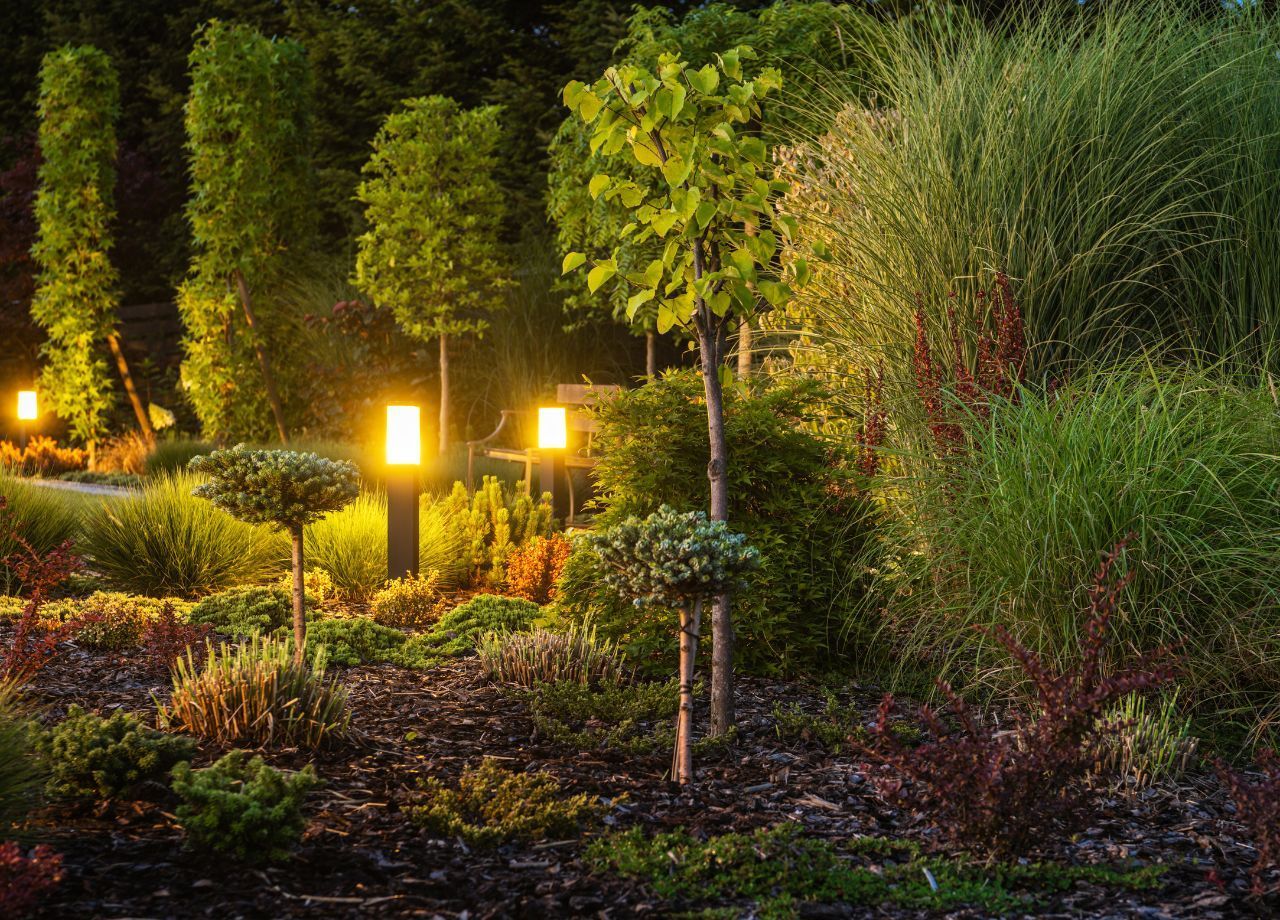
Florida landscaping also responds well to warmer temperatures. Palm trunks, live oaks, ornamental grasses, hedges, and dense tropical foliage gain depth without developing the sterile appearance that can occur under very cool LEDs.
A 2700K system generally produces the softer result. It suits traditional homes, Mediterranean-inspired architecture, relaxed patios, and landscapes where the lighting should feel understated and comfortable.
A 3000K system offers a cleaner alternative without moving into distinctly cool territory. White stucco, stone columns, modern entryways, and contemporary landscaping often look crisp at 3000K while still maintaining a residential character.
2700K vs 3000K: The More Useful Choice for Many Homeowners
The practical decision for many Florida properties is not 2700K versus 5000K. It is often 2700K versus 3000K.
A 2700K source emphasizes warmth. Brown tree bark, wood, warm stone, brick, and beige exterior finishes usually look rich under this temperature. It can also help outdoor lighting coordinate with warm interior illumination visible through windows.
A 3000K source removes some of the golden character. White architectural surfaces appear clener, green landscaping remains natural-looking, and contemporary exterior finishes gain more definition.
Fixture quality matters here as well. Two LEDs labeled 3000K can appear noticeably different if their color consistency is poor. Quality outdoor fixtures should maintain a similar appearance across the installation rather than producing random yellow, green, or blue shifts from fixture to fixture.
How Florida Stucco Changes the Appearance of Outdoor Light
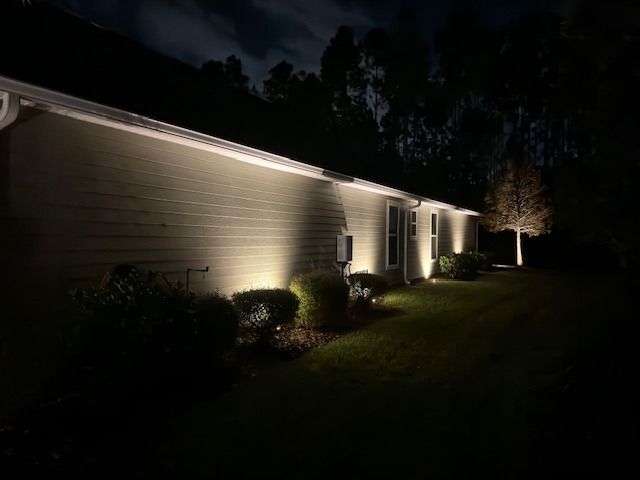
Stucco makes color-temperature choices particularly noticeable because its textured surface creates small shadows. Fixture position and beam angle can exaggerate or soften those shadows.
Cream, sand, beige, and warm-gray stucco generally pair well with 2700K to 3000K illumination. Bright white stucco allows greater flexibility, but high-output cool light can become visually intense when fixtures sit close to the wall.
Paint color also influences reflected light. A fixture that looks perfect when tested away from the house may behave differently once aimed at a large exterior wall. Reflected illumination can affect nearby landscaping, soffits, windows, and walkways.
Testing exterior lighting after sunset is far more useful than judging LEDs during daylight. Nighttime testing exposes hot spots, glare, beam edges, reflections, and the actual relationship between the illuminated wall and surrounding landscape.
Landscape Lighting Depends on More Than Kelvin
Color temperature receives plenty of attention because it is easy to compare on a specification sheet. Beam control can have an equally significant effect on the finished landscape.
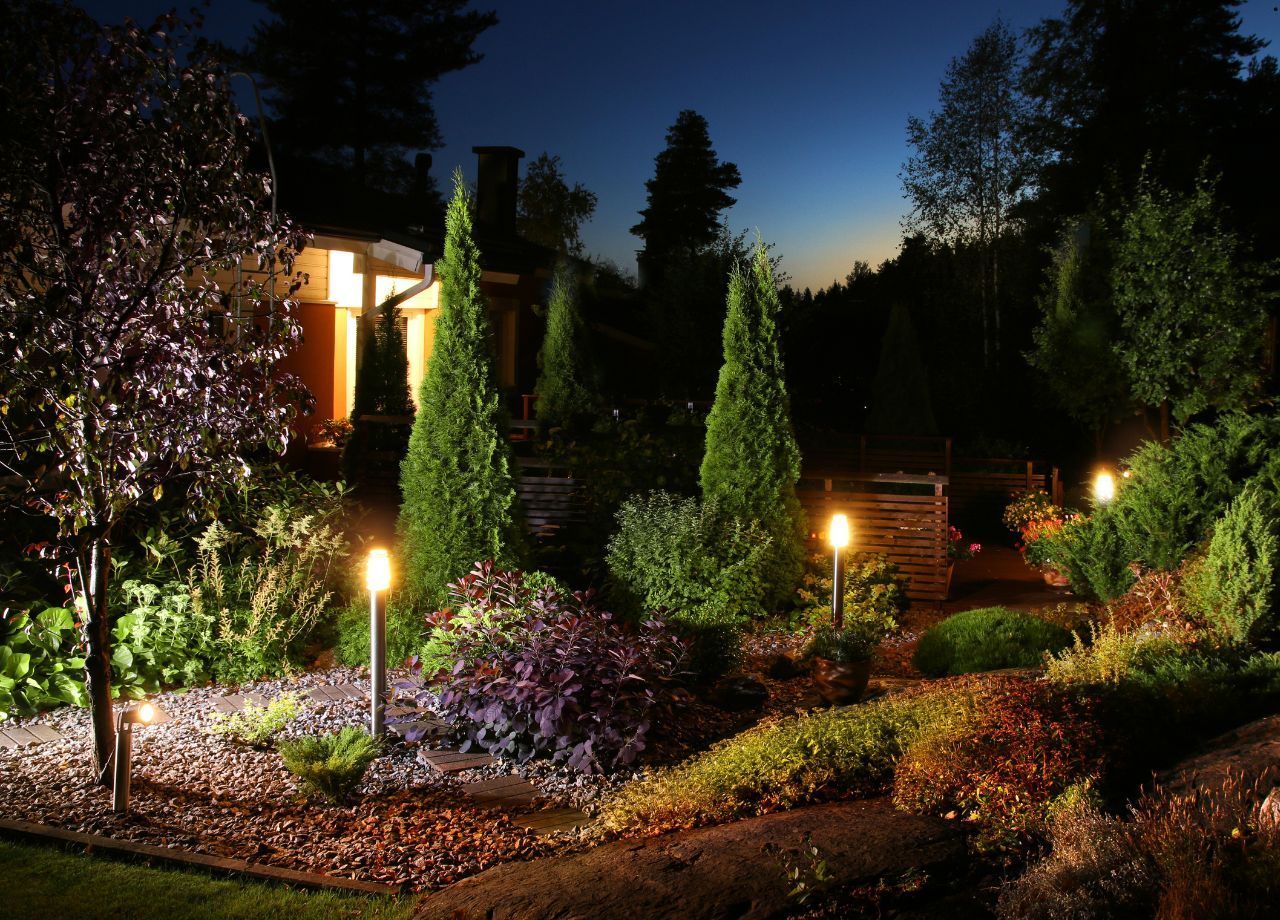
A tall palm may require a narrower beam capable of carrying illumination along the trunk and toward the canopy. A broad live oak may need wider coverage or several carefully positioned fixtures. Low shrubs usually look better with restrained illumination than with powerful spotlights pointed directly into the foliage.
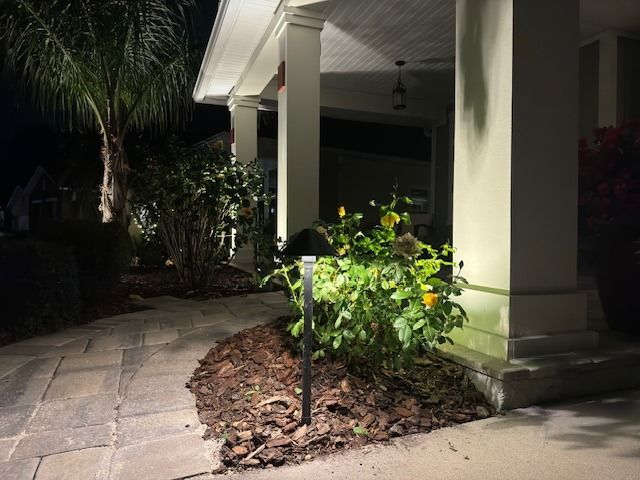
Warm white works especially well with the green, brown, and earth tones found throughout Florida landscapes. Cooler temperatures can increase contrast, but excessive cool light may reduce the warmth of bark, mulch, stone, and nearby architecture.
Brightness should vary throughout the yard as well. Lighting every plant at the same intensity removes depth. Strong focal areas combined with softer secondary zones give the landscape dimension and help direct attention toward important trees, architectural features, and pathways.
Pool Areas Need Careful Color Coordination
Pools add another layer because water reflects and redistributes surrounding illumination. Lighting choices can change how decking, coping, landscaping, screen enclosures, and the water itself appear after sunset.
Cooler illumination can strengthen blue tones around pool water, particularly on modern pools with white, gray, or blue finishes. Warm landscape lighting surrounding the pool can provide an attractive contrast when the transition between temperatures is controlled.
Random mixing is less successful. Placing a 2700K path light directly beside a 5000K wall fixture can make one appear excessively yellow and the other unusually blue. Pale pavers, white walls, and other reflective materials make this difference more noticeable.
Glare also deserves attention around pools. Reflections from water and pale decking can create visual discomfort even when fixtures are not directly aimed at people. Shielding, beam angle, output, and mounting position are critical parts of pool-area lighting.
Coastal Florida Requires the Right Fixture Construction
Coastal conditions affect outdoor lighting in ways that go beyond color temperature. Salt-laden air, humidity, heavy rain, irrigation, intense sun, and heat can be demanding on fixtures and electrical connections.
The ideal Kelvin rating means little if the fixture finish deteriorates quickly or moisture reaches vulnerable components. Outdoor equipment should be selected for the conditions where it will operate, with attention given to fixture materials, seals, connections, installation methods, and drainage.
Marine-influenced areas deserve extra attention to corrosion resistance. Quality brass fixtures are commonly used for landscape lighting because they can develop a natural patina rather than experiencing the finish failures associated with some lower-grade materials.
Water-resistant electrical connections are equally important. Landscape-lighting components sit close to irrigation, wet soil, rainfall, and persistent humidity, making installation quality a major part of long-term system performance.
Warm White Usually Supports Residential Curb Appeal
Warm lighting is closely associated with residential curb appeal because it complements common exterior materials and produces an inviting appearance. Color temperature alone, however, cannot correct poor fixture placement.
A row of overly bright 2700K fixtures can still create glare and obvious hot spots. A carefully designed 3000K installation with controlled beam spreads may look considerably softer. Where the light lands matters just as much as its color.
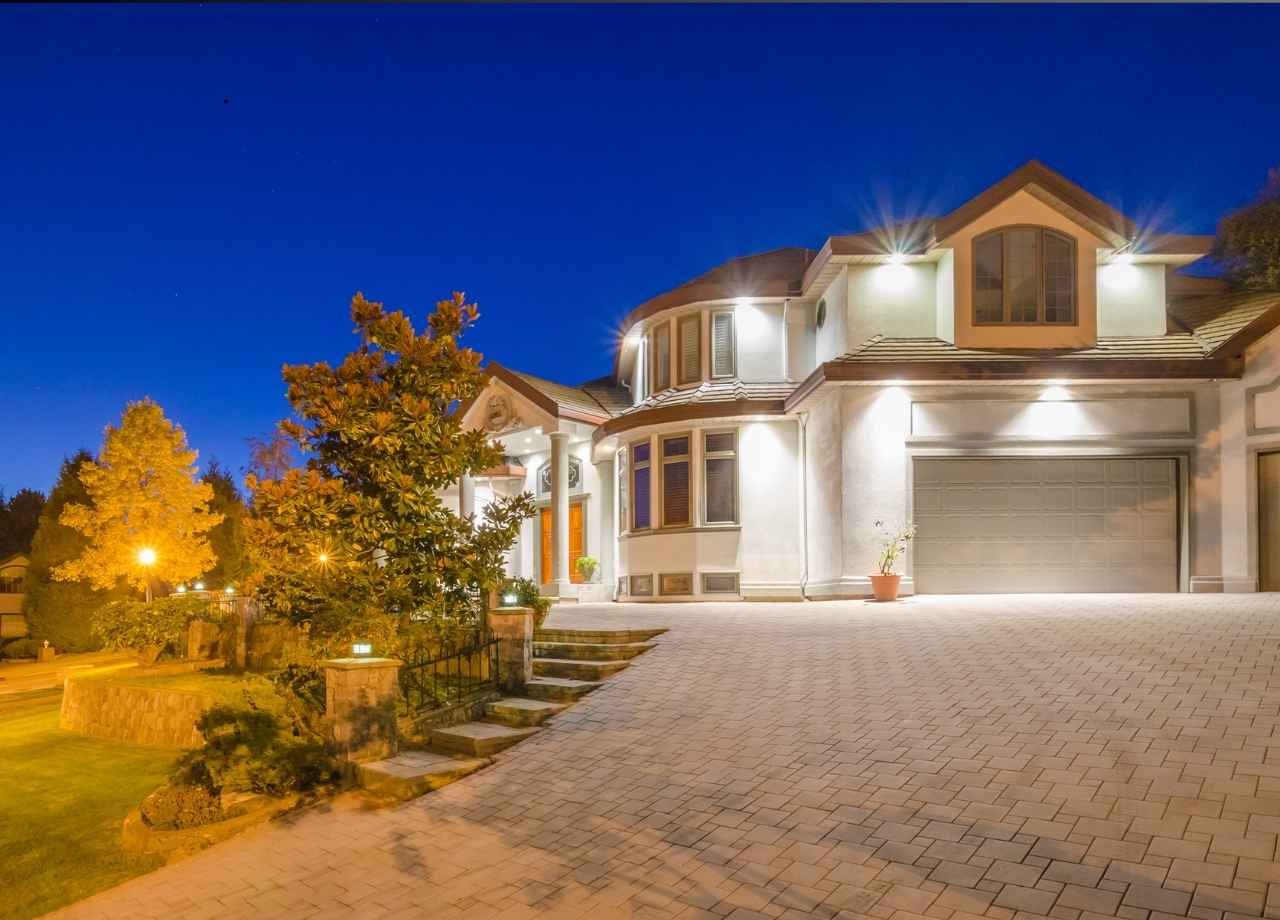
Architectural lighting tends to look more refined when it reveals selected features instead of flooding the entire facade. Columns, entry details, stone sections, specimen trees, and textured walls can become focal points. Darker areas between illuminated features create contrast and prevent the house from looking flat.
Viewing position should also guide placement.
Front-yard lighting needs to work from the street, driveway, walkway, and primary windows. Backyard lighting should be checked from patios, seating areas, and interior rooms overlooking the yard.
Color Rendering Matters Alongside Color Temperature
Kelvin describes whether light looks warm or cool, but it does not tell the whole story. Color rendering affects how accurately landscaping and building materials appear beneath an LED source.
Low-quality LEDs can make plants, masonry, wood, and painted surfaces appear dull or slightly distorted. Homeowners may blame the Kelvin rating when poor color reproduction is actually responsible.
Good color rendering becomes particularly valuable around detailed landscaping and natural materials. Green leaves, reddish-brown bark, natural stone variations, and wood finishes retain more of their intended appearance under a quality light source.
Fixture-to-fixture consistency matters too. Small color differences become surprisingly noticeable when several fixtures illuminate the same facade or a repeated line of trees.
Should Warm and Cool White Be Mixed on the Same Property?
Mixing color temperatures can work when there is a specific design reason. Random mixing usually looks accidental.
One approach is to keep architecture and landscaping within a closely related temperature range while allowing a specialized area to differ. Pool water might have a cooler appearance while surrounding palms and seating areas remain warm. A contemporary architectural feature could also use cleaner white illumination if it is visually separated from warmer garden lighting.
Large differences are more difficult to manage. Placing 2700K and 5000K sources close together makes the contrast obvious, especially when the lights reach adjacent white, cream, or gray surfaces.
Smaller properties generally benefit from greater consistency because several fixtures can be visible at the same time. Larger yards offer more opportunities to establish separate lighting zones without conflicting temperatures appearing within one view.
What About Cool White for Security Lighting?
Security lighting has different requirements from decorative landscape lighting, but extremely cool and bright illumination does not automatically provide better visibility. Fixture location, glare control, shadows, coverage, and light distribution matter considerably.
A powerful light aimed outward can impair visibility by creating glare. It may also leave very dark areas immediately beyond the brightly illuminated zone. Controlled lighting around entrances, side yards, gates, driveways, and circulation areas can provide better usable visibility.
Motion activation can also make sense for higher-output security fixtures. Decorative landscape lighting can remain softer and operate independently, while stronger security illumination activates when needed.
Homeowners who want a coordinated residential appearance can often use a neutral or moderately warm security light instead of an extremely cool 5000K source. The selection should match the task and location rather than relying on the assumption that bluer light provides better security.
Choosing the Right White for Your Florida Home
Most Florida homes do not need the same color temperature across every outdoor area. The right choice depends on the architecture, exterior materials, landscaping, and how each space is used after dark.
Warm 2700K lighting often complements cream stucco, natural stone, palms, and traditional details.
Contemporary homes with white stucco, gray pavers, and cleaner lines may look better at 3000K, with 3500K or 4000K reserved for areas that benefit from a more neutral appearance.
Testing fixtures on the actual property after sunset can help confirm the choice. Kelvin should also be evaluated alongside brightness, beam angle, color rendering, shielding, and fixture placement.
For many Florida homes, 2700K or 3000K is a reliable starting point. Well-designed lighting should highlight the home, landscaping, entrances, and outdoor living areas without making the fixtures themselves the focus.