Does Outdoor Lighting Attract Bugs in Florida? (And How to Prevent It)
Florida homeowners love spending time outdoors. Warm evenings, backyard gatherings, poolside relaxation, and beautifully illuminated landscapes are part of the lifestyle. Yet one concern comes up repeatedly when discussing outdoor lighting: does it attract bugs?
The short answer is yes, certain types of outdoor lighting can attract insects. The longer answer is far more interesting. Not all lights attract bugs equally, and modern lighting technology has made it possible to dramatically reduce insect activity around outdoor living spaces.
At Aloha Outdoor Lighting, one of the solutions we often recommend is properly designed LED lighting systems that improve nighttime visibility and curb appeal while minimizing unnecessary insect attraction. Light selection, placement, color temperature, and fixture design all play a role.
Understanding why bugs gather around lights is the first step toward creating a more comfortable outdoor environment.
Why Bugs Are Attracted to Outdoor Lights
Many insects use natural light sources for navigation. For thousands of years, moonlight and starlight helped flying insects maintain orientation during nighttime movement. Artificial lighting disrupts that natural process.
When a bright outdoor light appears in an otherwise dark environment, insects can become disoriented. Rather than traveling in a straight path, they begin circling the light source. This behavior often results in large numbers of bugs congregating around fixtures, walls, entryways, patios, and outdoor gathering areas.
Florida's climate makes this issue even more noticeable. High humidity, warm temperatures, and abundant vegetation create ideal conditions for insects throughout much of the year. Mosquitoes, moths, beetles, gnats, mayflies, and flying ants remain active during extended seasons compared to many other parts of the country.
A light fixture that attracts a moderate number of insects in a northern state may attract significantly more insects in Jacksonville, St. Augustine, Ponte Vedra, or other Florida communities simply because insect populations remain active for longer periods.
Scientists have also discovered that many insects are especially sensitive to specific wavelengths of light. Certain colors and light spectrums trigger stronger attraction responses than others, which helps explain why some fixtures seem to become insect magnets while others remain relatively clear.
The Type of Light Matters More Than Most People Realize
One of the biggest misconceptions about outdoor lighting is that brightness alone determines whether bugs will gather around a fixture. Brightness plays a role, but the color and wavelength of the light are often more important.
Older lighting technologies typically produce larger amounts of ultraviolet and blue-spectrum light. Many insects are highly sensitive to these wavelengths.
Traditional mercury vapor lights are among the worst offenders. They emit significant UV radiation and can attract large numbers of flying insects from considerable distances.
Metal halide fixtures can also draw substantial insect activity due to their strong blue-white output. Older fluorescent fixtures may create similar problems depending on their design and bulb characteristics.
Modern LED technology has changed the conversation. LEDs can be manufactured to produce very specific color temperatures and spectral outputs. That means outdoor lighting systems can be designed with insect attraction in mind.
Warm-colored LEDs generally attract fewer insects than cool-colored LEDs. A warm 2700K or 3000K LED fixture often produces noticeably less insect activity than a cooler 5000K fixture.
Homeowners frequently select cooler white lights because they appear brighter. Yet those cooler color temperatures often emit more blue-spectrum light, which many insects find attractive.
Choosing the proper color temperature can make a significant difference without sacrificing the beauty or functionality of the lighting design.
Which Florida Bugs Are Most Common Around Outdoor Lighting?
Florida's insect population is incredibly diverse. Different species react to lighting in different ways.
Moths are among the most recognizable insects attracted to lights. Their tendency to circle fixtures has become almost synonymous with nighttime outdoor lighting.
Mayflies can also gather in large numbers around bright lighting systems, especially near lakes, ponds, rivers, and coastal areas. Seasonal hatches occasionally create dramatic swarms around illuminated properties.
Flying beetles are another common sight. Many species actively seek illuminated areas during nighttime hours.
Gnats and midges often congregate around bright lights, particularly in humid environments. These small insects may seem harmless individually, but large concentrations can become annoying around patios and outdoor seating areas.
Mosquitoes present a slightly different situation. Many homeowners assume outdoor lights are the primary reason mosquitoes appear in their yards. Research shows mosquitoes are generally more attracted to body heat, carbon dioxide, sweat, and human scent than to light itself.
A brightly lit patio may appear to attract mosquitoes simply because people gather there. The lighting may attract other insects, which creates the impression that all insect activity is increasing.
That distinction matters because reducing mosquito populations often requires addressing standing water, drainage issues, landscaping conditions, and habitat management in addition to lighting choices.
Why Warm LED Lighting Is Usually the Best Choice
Color temperature has become one of the most important considerations in modern outdoor lighting design.
Measured in Kelvins (K), color temperature describes the appearance of light. Lower Kelvin ratings produce warmer, softer light with amber tones. Higher Kelvin ratings produce cooler, bluer light.
Warm white LEDs typically fall between 2700K and 3000K. These temperatures closely resemble traditional incandescent lighting while offering much greater energy efficiency.
Research consistently shows that warmer light attracts fewer insects than cooler white light. A 2700K LED fixture generally creates a more comfortable outdoor environment than a 5000K fixture producing similar brightness levels.
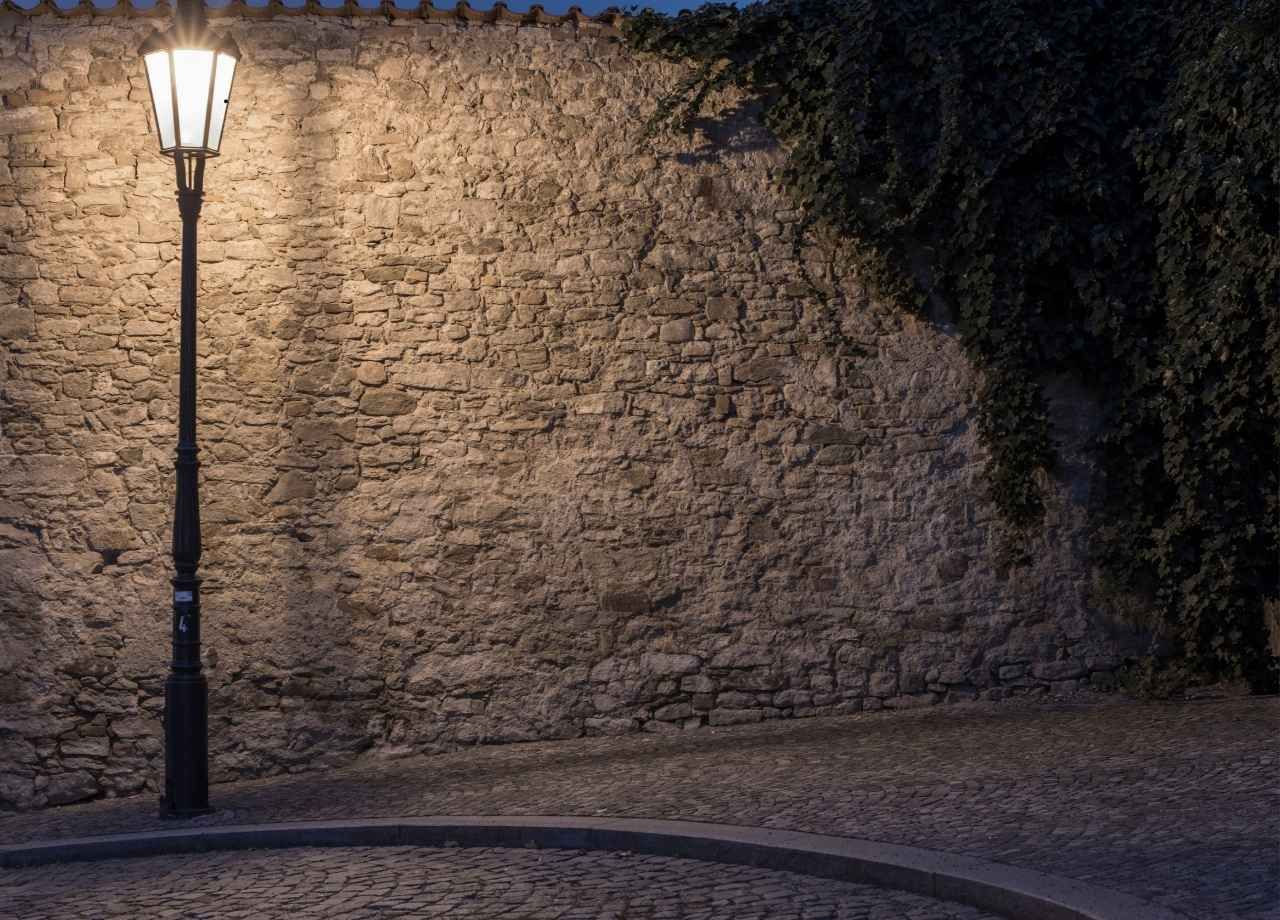
Warm lighting also tends to enhance architectural features, landscape elements, stonework, pathways, and outdoor living spaces. The softer appearance creates a welcoming atmosphere while reducing harsh glare.
Many professional lighting designers prefer warm LEDs for residential properties because they balance aesthetics, comfort, visibility, and insect reduction.
Fixture Placement Can Reduce Bug Problems
Even the best light source can attract unnecessary insect activity if placed incorrectly.
One effective strategy involves positioning lights away from primary gathering areas. Rather than installing the brightest fixtures directly above seating areas, lighting can be layered throughout the landscape.
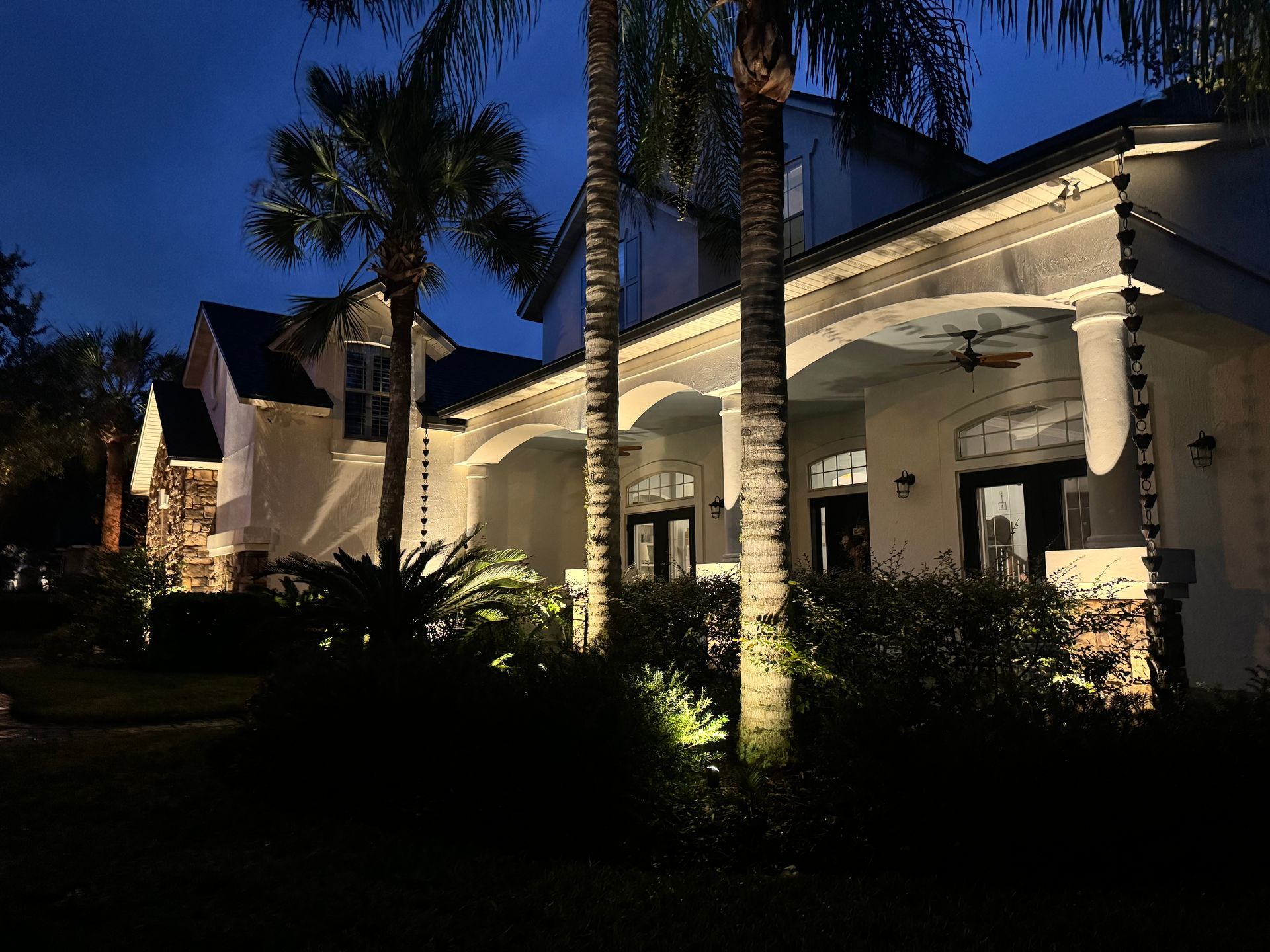
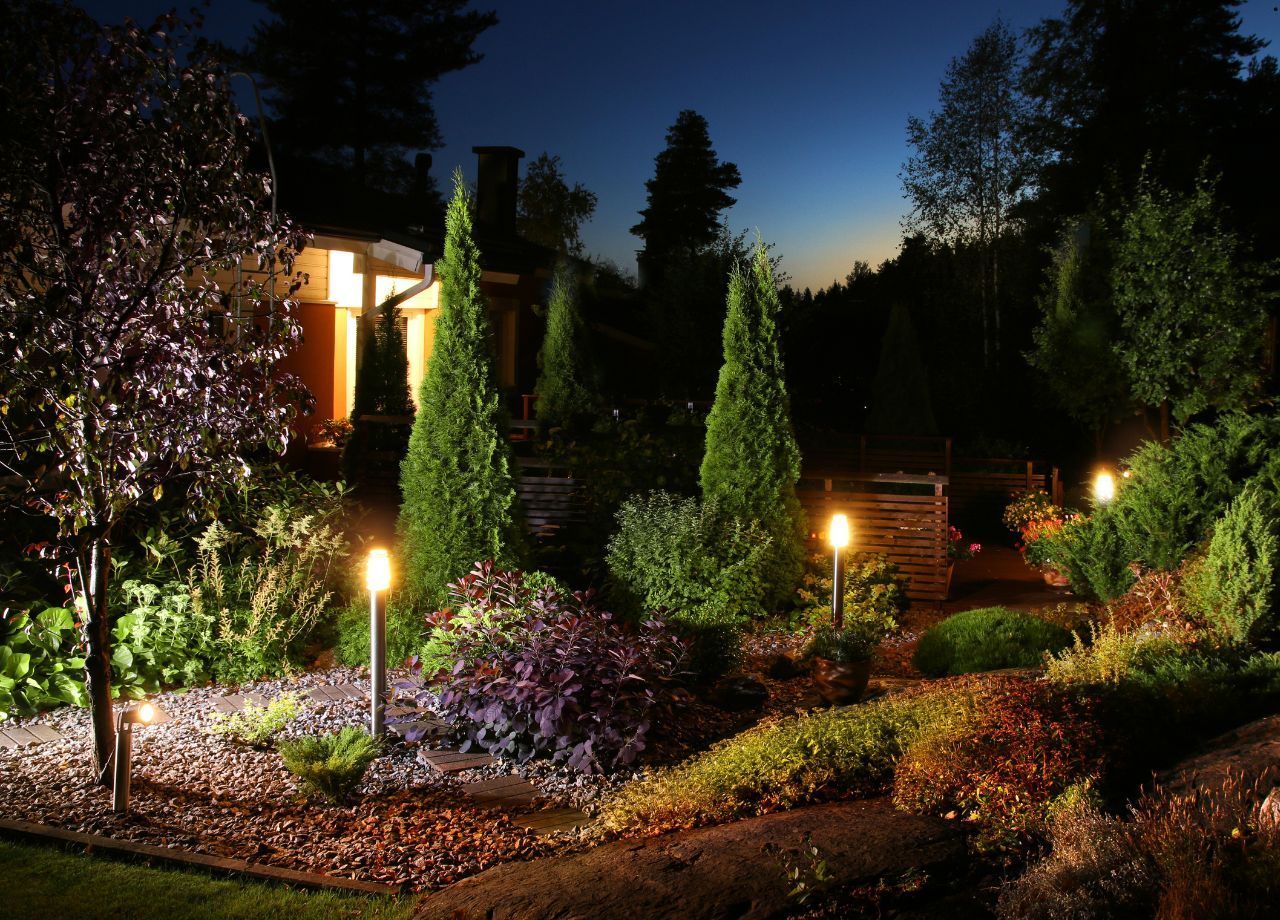
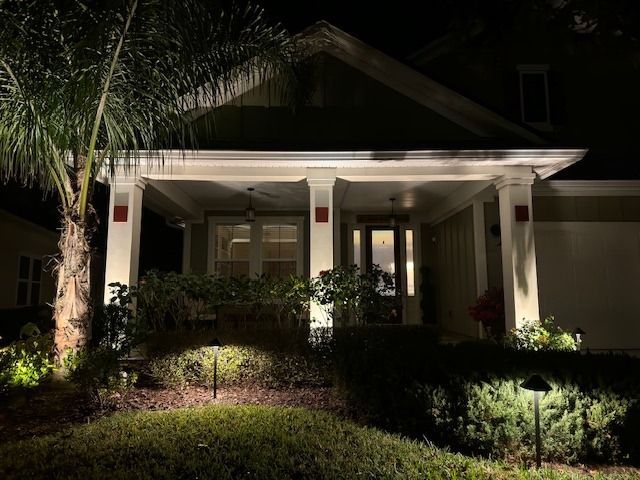
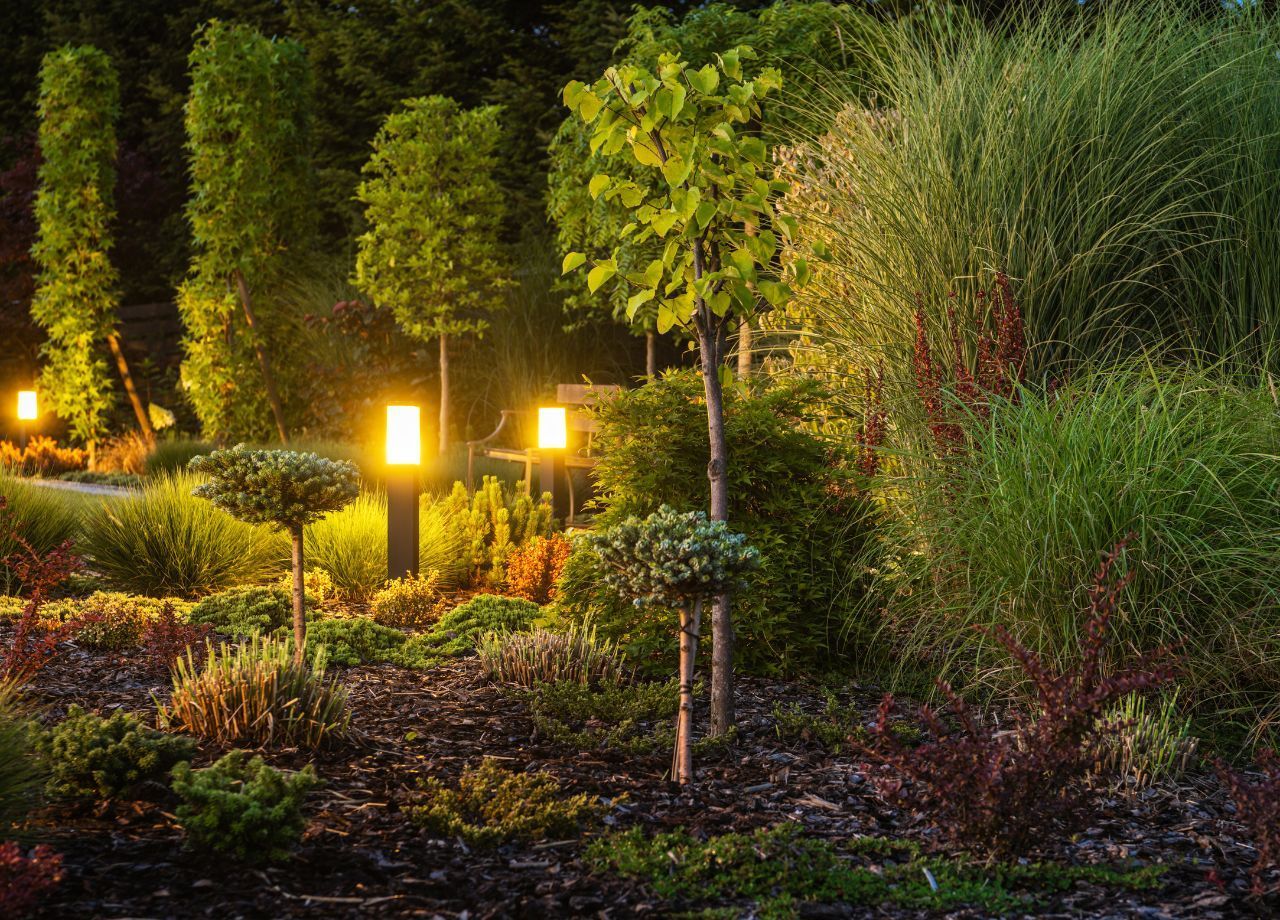
Path lights, uplights, accent fixtures, and indirect illumination techniques allow outdoor spaces to remain well lit without concentrating insect activity directly where people spend their time.
Entryways deserve special attention. Bugs gathering around front doors often become a nuisance because they enter the home whenever doors open.
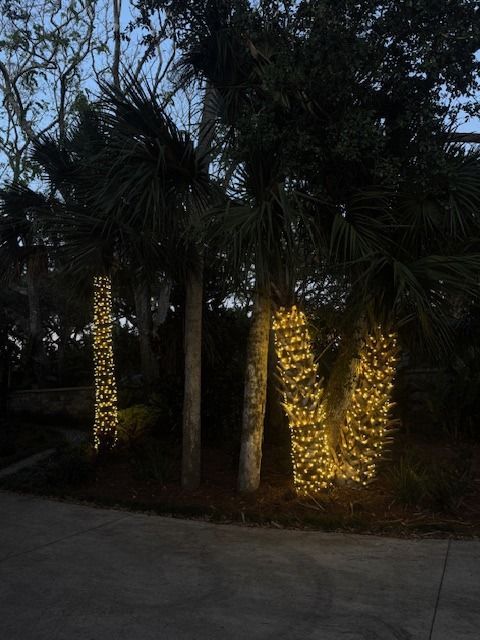
Placing landscape lighting several feet away from entrances can help redirect insect activity away from doorways. The illuminated landscape becomes the focal point rather than the entry itself.
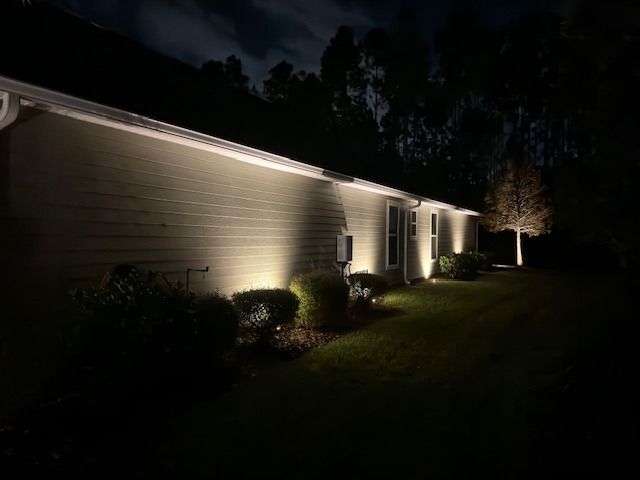
Shielded fixtures also provide advantages. Fixtures that direct light downward and toward specific targets reduce unnecessary light spill. Less scattered light means fewer opportunities to attract insects from surrounding areas.
Professional lighting designs often use this principle to improve both visual appeal and functionality.
Does Brightness Affect Bug Attraction?
Brightness does matter, but not always in the way homeowners expect.
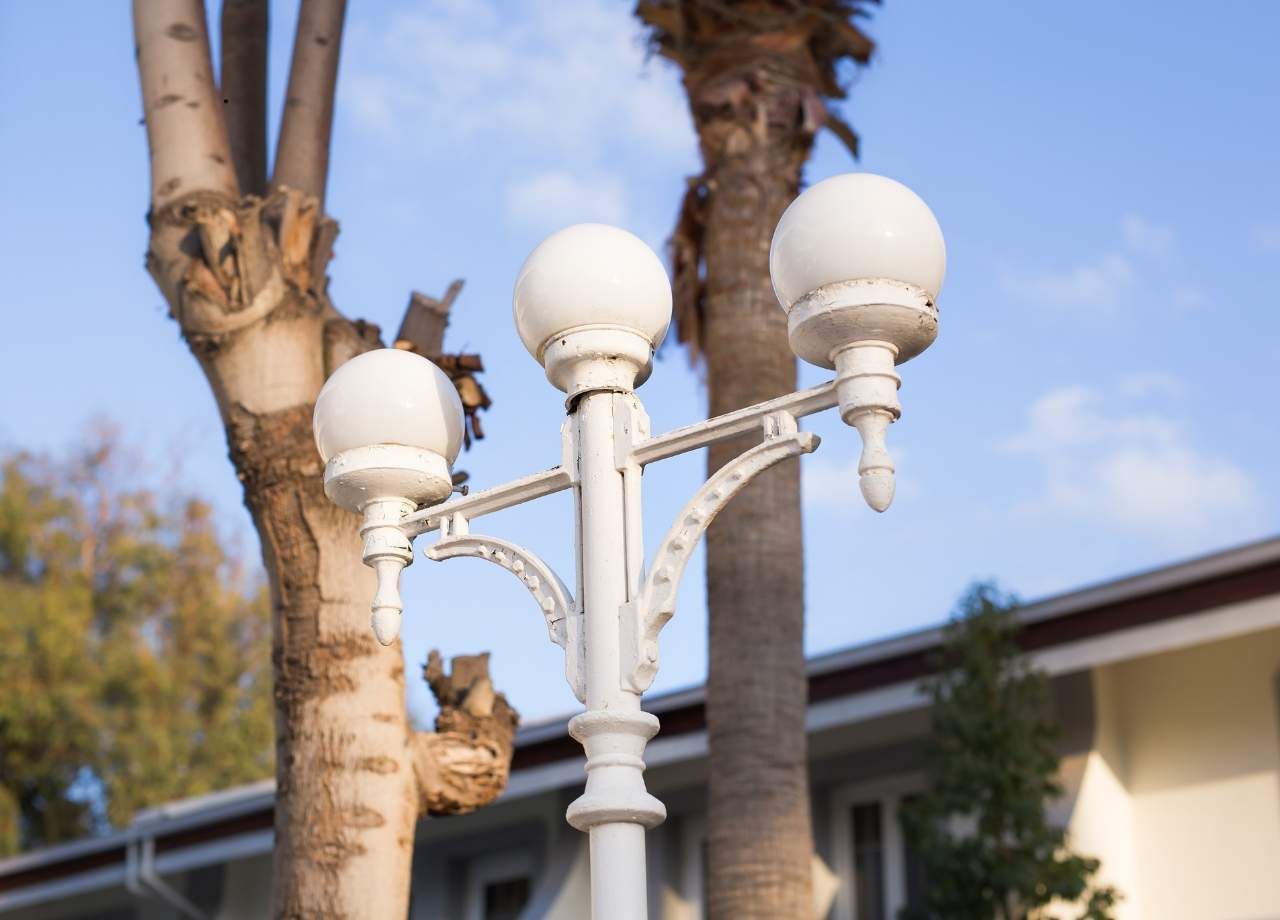
Extremely bright fixtures can attract insects from greater distances simply because they are more visible. A high-output floodlight shining across a yard may serve as a beacon for insects throughout the surrounding area.
That does not mean outdoor lighting should be dim. The goal is appropriate illumination rather than excessive illumination.
Many residential properties are overlit. Homeowners sometimes install higher wattages than necessary, assuming more light equals better security or better aesthetics.
Modern LED systems provide excellent visibility with far lower energy consumption and more controlled output than older technologies.
Thoughtful lighting design focuses on directing light exactly where it is needed. This approach often reduces insect attraction while improving the overall appearance of the property.
Landscape Conditions Also Influence Insect Activity
Lighting is only one piece of the puzzle.
Properties with dense vegetation, standing water, excessive moisture, or poor drainage naturally support larger insect populations. Even perfectly designed lighting systems may experience increased bug activity if surrounding environmental conditions encourage insect breeding and shelter.
Mosquitoes thrive near stagnant water. Areas where irrigation systems oversaturate planting beds can create favorable conditions for numerous insect species.
Overgrown shrubs and dense ground cover may provide resting areas for insects during daylight hours before they become active at night.
Routine landscape maintenance helps reduce these conditions. Proper drainage, regular pruning, and eliminating standing water sources often produce noticeable improvements.
Many homeowners are surprised to discover that landscape management and lighting design work together when addressing insect concerns.
Are Yellow "Bug Lights" Worth Using?
Yellow bug lights have been marketed for decades as a solution for insect attraction.
These bulbs typically emit light in wavelengths that are less attractive to many flying insects. They can reduce insect activity compared to traditional white bulbs.
Results vary depending on the species involved and the surrounding environment. Some insects remain attracted, while others largely ignore the yellow light.
The downside is that yellow bug lights often produce poor color rendering. Landscapes, architectural features, and outdoor living areas may appear dull or unnatural.
Modern warm-white LED lighting frequently provides a better balance. Homeowners can achieve attractive nighttime aesthetics while still reducing insect attraction compared to cooler lighting options.
For decorative landscape lighting, warm LEDs often outperform yellow bug bulbs from both a visual and practical standpoint.
Creating a Bug-Friendly Outdoor Lighting Strategy
The best approach is not eliminating outdoor lighting. Well-designed lighting improves safety, security, navigation, curb appeal, and nighttime enjoyment of outdoor spaces.
Success comes from making smart choices.
Warm LED color temperatures reduce attraction compared to cool blue-white lights. Shielded fixtures limit unnecessary light spill. Strategic placement keeps insect activity away from seating areas and entrances. Appropriate brightness levels avoid creating oversized attraction zones. Landscape maintenance addresses environmental factors that contribute to insect populations.
Florida homeowners who combine these strategies often notice a significant improvement in outdoor comfort.
Outdoor lighting will never eliminate every insect. Florida's climate simply supports year-round insect activity. Yet modern lighting design can greatly reduce the number of bugs gathering around your home while preserving the beauty and functionality that quality outdoor lighting provides.
When lighting systems are planned correctly, homeowners can enjoy illuminated pathways, highlighted landscaping, enhanced architectural features, and inviting outdoor living spaces without turning their property into a gathering place for every flying insect in the neighborhood.