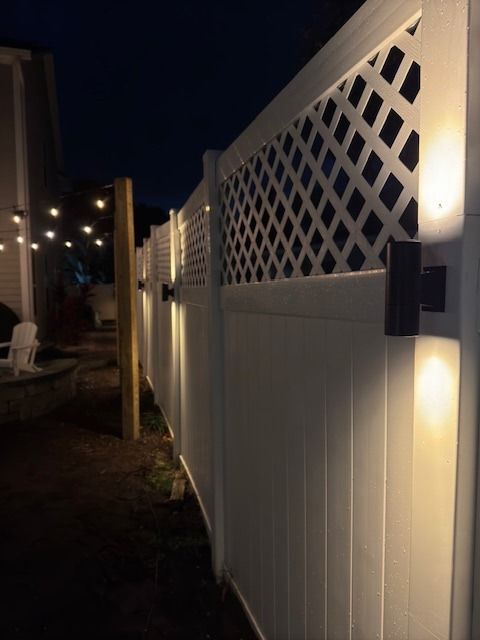
The Best Color Temperature (Kelvins) for Florida Tropical Landscaping
Outdoor lighting does much more than make a property visible after sunset. The color of the light itself changes how plants, palm trees, water features, architectural details, and outdoor living spaces appear at night. A tropical landscape that looks vibrant and inviting during the day can appear flat, washed out, or overly harsh if the wrong color temperature is selected.
Florida properties present a unique challenge. Tropical and subtropical plants contain rich green foliage, colorful flowers, textured bark, and layered canopy structures that respond differently to various lighting temperatures. A fixture that works beautifully in a mountain landscape or a northern garden may not deliver the same visual effect among palms, crotons, bird of paradise, and dense tropical plantings.
Property owners who invest in professional outdoor lighting systems, including custom designs from companies like Aloha Outdoor Lighting, often discover that fixture placement is only part of the equation. Color temperature plays an equally important role in creating the final nighttime appearance.
Understanding how Kelvin ratings affect tropical landscapes can help homeowners make better lighting decisions and achieve a more natural, elegant result.
Understanding Color Temperature in Outdoor Lighting
Color temperature is measured in Kelvins (K) and describes the appearance of white light produced by a fixture. Lower Kelvin numbers create warmer light with yellow and amber tones. Higher Kelvin numbers create cooler light with brighter white and blue tones.
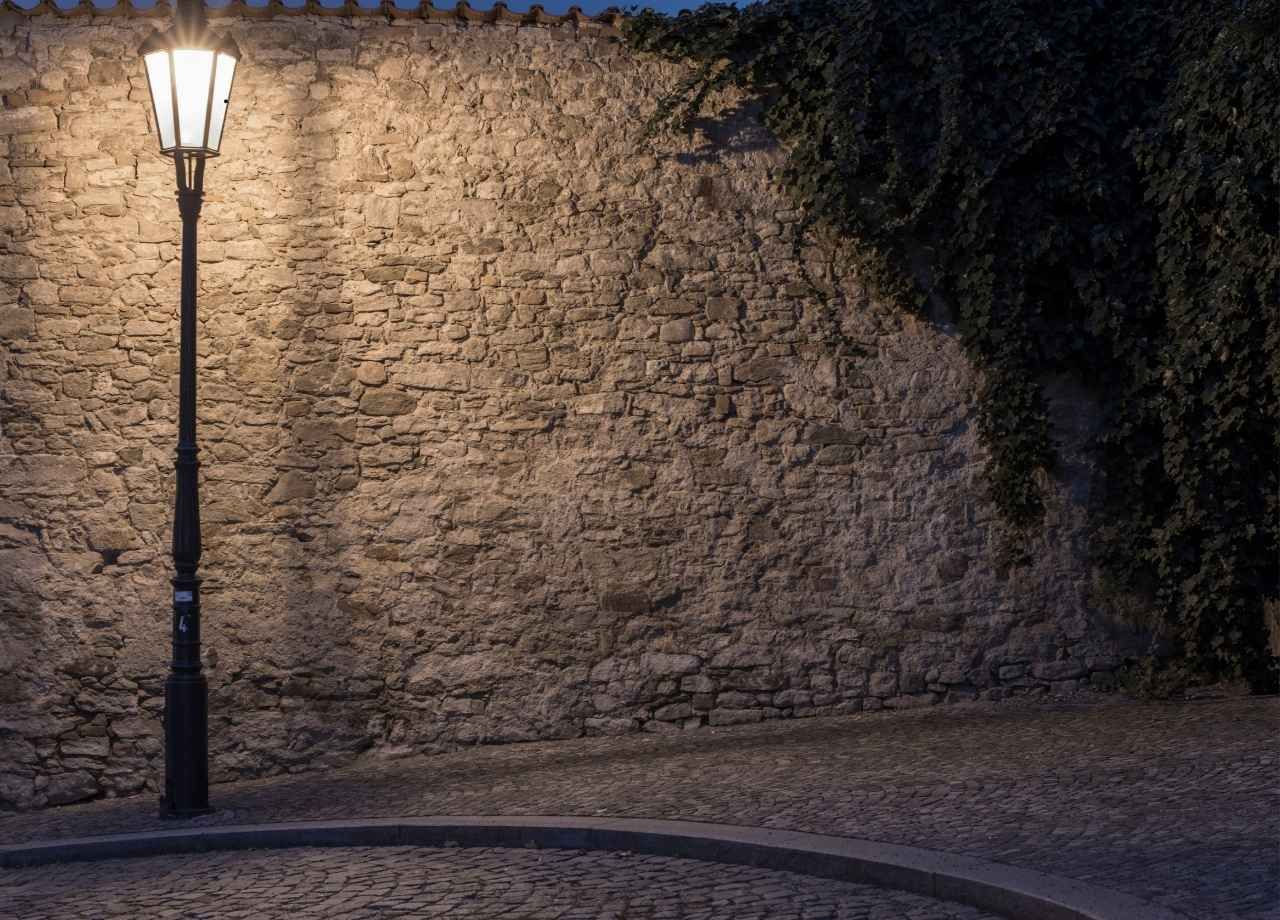
A 2700K fixture produces a warm glow that resembles traditional incandescent lighting. A 3000K fixture appears slightly whiter while maintaining warmth. A 4000K fixture produces a noticeably cooler appearance, and 5000K lighting begins to resemble daylight.
Many homeowners mistakenly focus on brightness when evaluating outdoor lighting. Brightness, measured in lumens, determines how much light is produced. Color temperature determines how that light interacts with landscape elements.
Two fixtures with identical lumen outputs can create dramatically different visual experiences simply because their Kelvin ratings differ.
Florida's tropical landscapes often benefit from warmer temperatures that enhance natural colors without making vegetation appear artificial or overly stark.
Why Tropical Landscaping Responds Differently to Light
Tropical landscapes contain characteristics that are rarely found together in other regions. Large palm fronds, glossy leaves, colorful flowering plants, ornamental grasses, and layered plant structures create a complex visual environment after dark.
Warm lighting tends to emphasize the rich green tones found in palms, philodendrons, ginger plants, and many tropical shrubs. It also enhances warm-colored features such as natural stone, wood accents, and textured tree trunks.
Cooler lighting often increases contrast and sharpness. That effect can work well in modern commercial settings but may make tropical landscapes appear less inviting. Blue-heavy light can alter the appearance of green foliage and reduce the warmth that many homeowners want in outdoor living spaces.
Florida's humidity also influences nighttime viewing conditions. Moisture in the air can amplify glare from cooler white lighting, particularly near pools, patios, and waterfront properties. Warmer lighting generally produces a softer visual experience that remains comfortable even during humid evenings.
These environmental factors make color temperature selection more important than many people realize.
Why 2700K Is Often the Best Choice for Florida Landscapes
For most residential tropical landscapes, 2700K remains the gold standard.
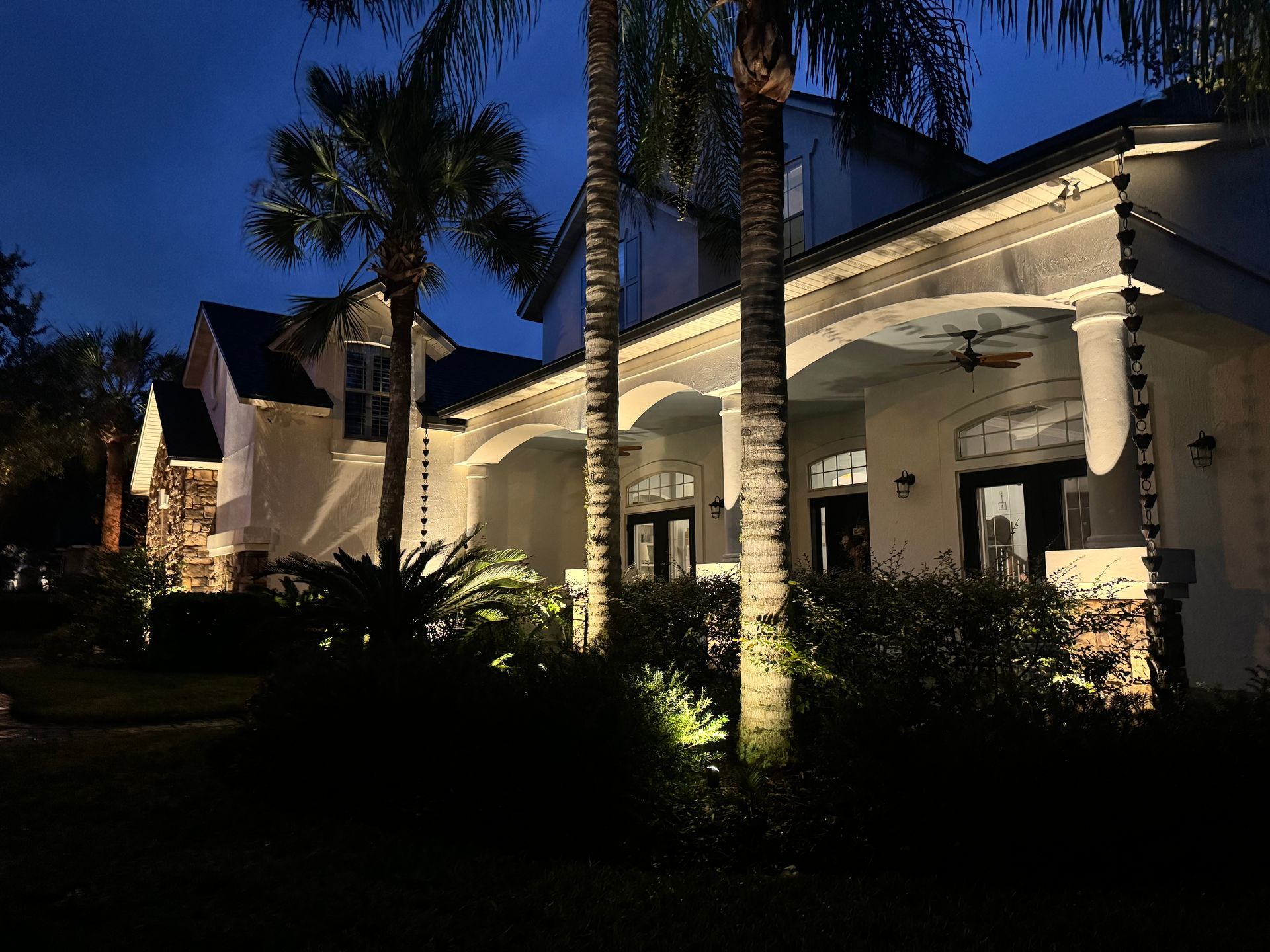
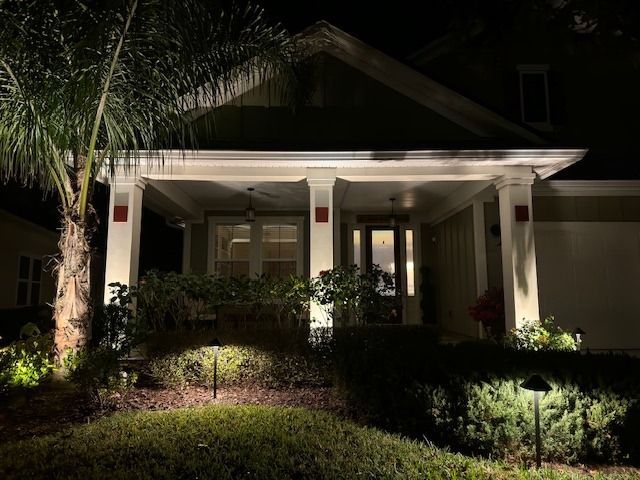
This warm white color temperature creates a natural and welcoming atmosphere while highlighting the textures and colors commonly found in Florida landscapes. Palm trunks gain depth and dimension. Broad-leaf tropical plants appear lush and vibrant. Architectural elements blend naturally with surrounding vegetation.
Another advantage of 2700K lighting is its ability to create visual comfort. Outdoor spaces are meant to be enjoyed, not simply illuminated. Patios, lanais, pools, outdoor kitchens, and garden seating areas feel more relaxed under warm lighting.
Many luxury resorts throughout Florida utilize lighting temperatures close to 2700K because they create an upscale ambiance that encourages people to spend time outdoors. The same principle applies to residential properties.
Warm lighting also reduces the risk of creating an overly commercial appearance. A tropical landscape should feel natural and inviting rather than resembling a parking lot or office complex.
Properties with extensive palm trees, mature oak canopies, tropical gardens, and natural stone hardscapes frequently achieve their best nighttime appearance with 2700K fixtures.
When 3000K Makes Sense
A 3000K color temperature represents a middle ground between warm and neutral white light.
This temperature has become increasingly popular because modern LED technology allows it to deliver excellent color rendering while maintaining a comfortable appearance. Many homeowners appreciate the slightly brighter visual impression that 3000K provides.
Certain landscape designs benefit from this temperature. Contemporary homes with clean architectural lines often pair well with 3000K lighting. Properties featuring light-colored stucco, modern pavers, and minimalist planting schemes can achieve a refined appearance without becoming overly warm.
Tropical landscapes can also work well with 3000K when lighting objectives extend beyond ambiance. Homeowners seeking stronger visibility along pathways, driveways, and outdoor gathering areas may find 3000K provides a useful balance.
The difference between 2700K and 3000K is subtle. Most guests would not immediately identify the Kelvin rating, but they would notice the overall mood created by the lighting system.
For many Florida homes, either option can produce excellent results when properly designed.
Why 4000K Is Usually Too Cool for Tropical Landscapes
A common mistake occurs when homeowners select fixtures based solely on perceived brightness. Since 4000K light appears whiter and sharper, it may seem like a logical upgrade.
Tropical landscapes often tell a different story.
Cool white lighting can flatten natural colors and create excessive contrast. Palm fronds may appear less rich. Warm stone surfaces can lose their natural character. Outdoor living spaces may feel less inviting.
Properties located near water face additional concerns. Reflection from pools, ponds, fountains, and waterfront areas can increase glare when cooler color temperatures are used. That glare may become uncomfortable during evening entertaining.
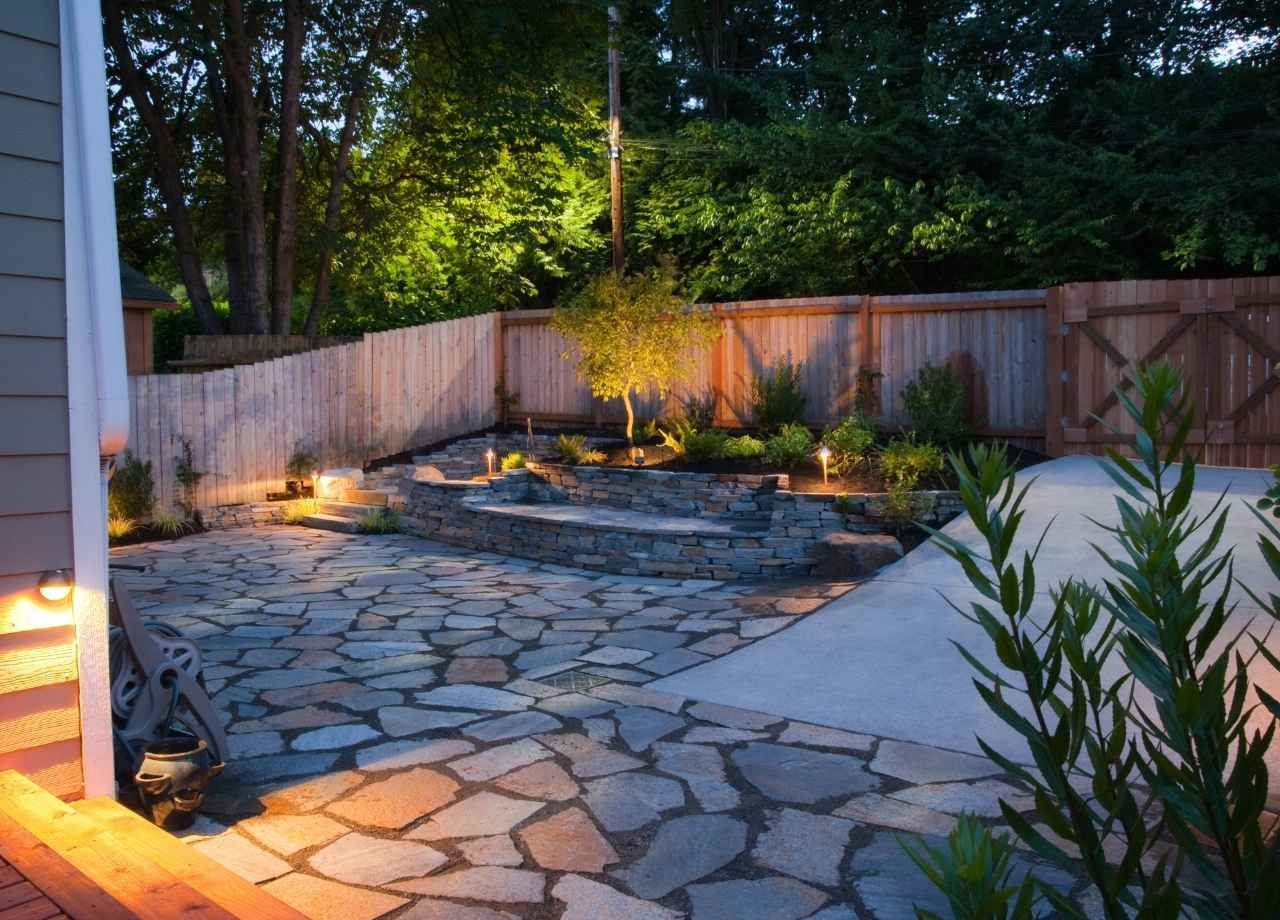
Certain commercial applications benefit from 4000K lighting because visibility and security are primary objectives. Residential landscapes generally prioritize beauty, comfort, and atmosphere.
Most professional landscape lighting designers reserve 4000K lighting for specific architectural or security-focused applications rather than using it throughout an entire tropical landscape.
The Impact of Color Temperature on Palm Trees
Palm trees are often the centerpiece of Florida landscaping, making their nighttime appearance especially important.
Warm white lighting reveals the texture and natural color variations found within palm trunks. The fibrous details become more pronounced, creating dramatic visual interest without appearing harsh.
Fronds illuminated with 2700K or 3000K lighting maintain their lush green appearance. Layered canopies gain depth and dimension as shadows naturally develop between leaves.
Cooler temperatures can introduce a slightly bluish cast that alters the appearance of foliage. Some palm varieties tolerate this effect better than others, but most tropical designs benefit from warmer illumination.
Uplighting techniques become particularly effective when paired with appropriate color temperatures.
Light traveling upward through the canopy creates striking visual effects while preserving the organic beauty of the tree.
Pools, Water Features, and Color Temperature
Many Florida properties combine tropical landscaping with pools, spas, fountains, and other water features.
Color temperature significantly influences how water appears after dark. Warm lighting creates a luxurious resort-style atmosphere around pools and surrounding plant material. Reflections remain soft and visually comfortable.
A 3000K temperature can also perform well around water, particularly when homeowners prefer a slightly cleaner and more contemporary appearance.
Very cool temperatures often increase visual intensity. Water reflections become brighter and more noticeable, which may not always align with the desired atmosphere.
Successful designs typically coordinate landscape lighting and pool lighting so the entire outdoor environment feels cohesive. Mixing dramatically different color temperatures can create visual inconsistency that distracts from the overall design.
Wildlife and Environmental Considerations
Florida's outdoor environments support a wide range of wildlife, including birds, insects, amphibians, and coastal species.
Research over recent years has increased awareness regarding the environmental effects of outdoor lighting. Warmer color temperatures generally produce less blue light than cooler alternatives.
Blue-rich light has been associated with greater disruption of natural wildlife behaviors and circadian rhythms. Warmer lighting often provides a more environmentally sensitive approach while still delivering excellent landscape illumination.
Many communities and coastal regions increasingly encourage responsible lighting practices that reduce unnecessary glare and light pollution.
Choosing warm or cool colors can contribute to those goals while enhancing the beauty of the landscape.
Creating a Layered Lighting Design
Color temperature should never be considered in isolation.
Successful landscape lighting combines proper fixture selection, beam spread, placement, brightness, and color temperature into a unified design. Even the perfect Kelvin rating cannot compensate for poor fixture placement or excessive brightness.
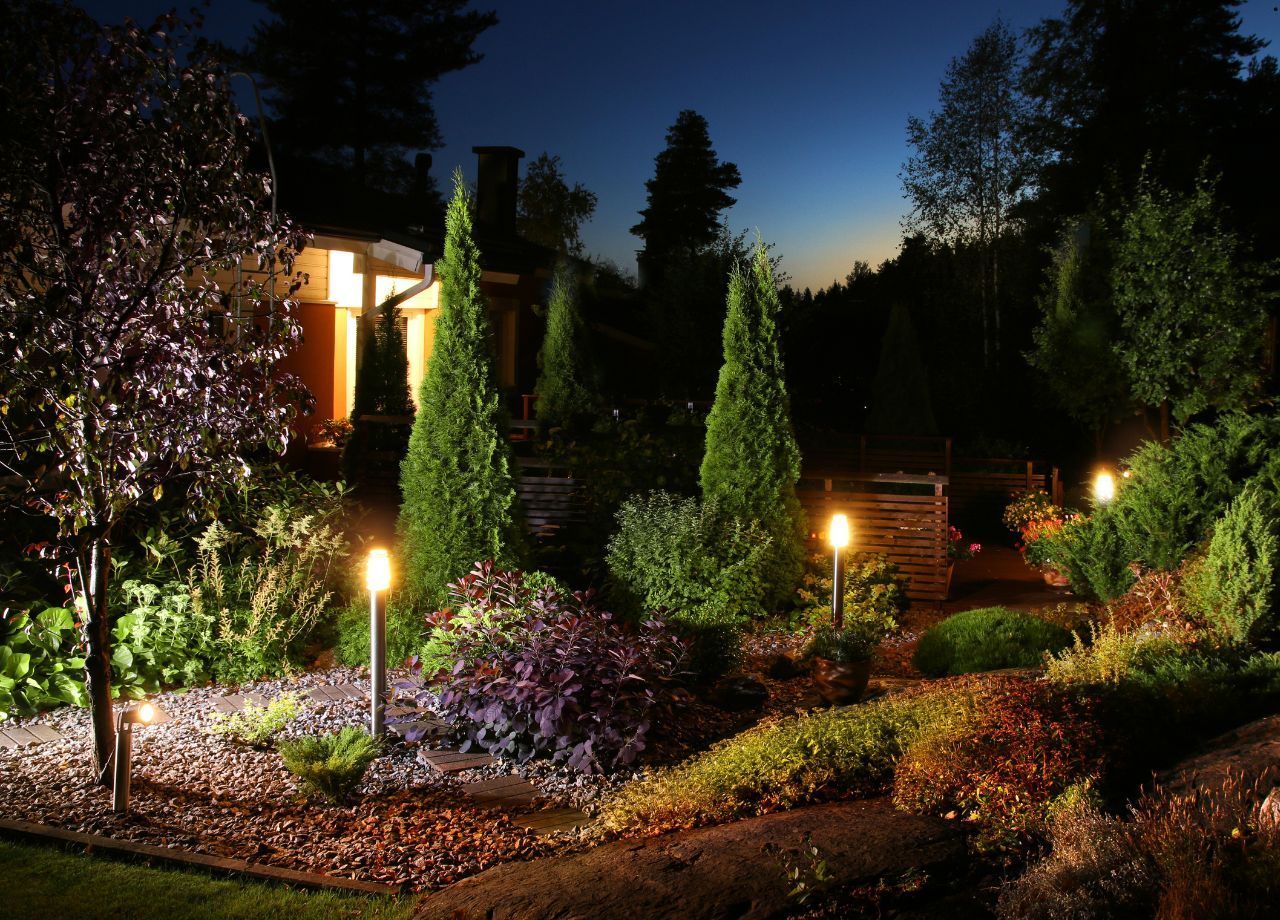
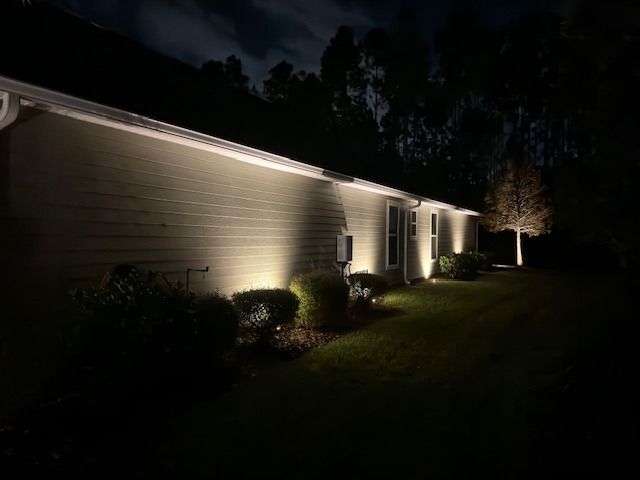
Most tropical landscapes look their best when lighting is layered. Accent lighting highlights specimen palms and architectural features. Path lighting improves navigation. Soft wash lighting defines planting beds. Downlighting creates natural moonlight effects beneath mature trees.
When these layers share a consistent color temperature, the property feels intentional and professionally designed.
A mix of random fixture colors can create visual confusion that diminishes the impact of the entire system.
The Final Recommendation
For the vast majority of Florida tropical landscapes, 2700K remains the strongest overall choice. It enhances foliage, complements palm trees, creates welcoming outdoor living spaces, and delivers the timeless appearance associated with luxury residential landscapes.
A 3000K temperature serves as an excellent alternative for homeowners seeking a slightly brighter and more contemporary look while preserving warmth and comfort.
Most residential tropical properties should avoid using 4000K lighting throughout the landscape unless specific architectural or security objectives justify the cooler appearance.
Outdoor lighting works best when it feels natural rather than noticeable. The right color temperature allows tropical plants, trees, and outdoor spaces to become the focal point rather than the fixtures themselves.
When properly selected, landscape lighting reveals the beauty of Florida's tropical environment long after the sun goes down and creates an outdoor experience that remains visually stunning every night of the year.