2700K vs 3000K Landscape Lighting: Which Is Better?
Choosing between 2700K and 3000K landscape lighting sounds like a small technical decision until you see both color temperatures on an actual property. A difference of only 300 Kelvin can change how brick looks after sunset, how green foliage appears, how natural stone picks up texture, and how comfortable a patio feels at night.
Neither color temperature is universally better. The right choice depends on exterior materials, landscaping, fixture placement, surrounding light, and the atmosphere you want after dark.
For most residential landscape lighting projects, 2700K creates a softer, warmer appearance, while 3000K produces a cleaner and slightly whiter light.
Aloha Outdoor Lighting designs and installs custom outdoor lighting systems in Jacksonville, Florida, where selecting the right color temperature is considered alongside fixture placement, beam spread, output, and glare control.
What Do 2700K and 3000K Actually Mean?
Color temperature is measured in Kelvin, abbreviated as K. The Kelvin rating describes the visual color of white light rather than the physical temperature of an LED.
Lower Kelvin values appear warmer. A 2700K LED generally produces warm white light with noticeable amber and golden qualities. A 3000K LED is still considered warm white, but it contains less yellow and appears cleaner and more neutral.
The 300K difference may look minor on a specification sheet. Outdoors, it becomes easier to notice because the light interacts with siding, masonry, trees, mulch, pavement, water, and other surfaces.
Neither 2700K nor 3000K should look blue when quality LEDs are used. That icy appearance is more commonly associated with higher color temperatures around 4000K, 5000K, and above.
What Does 2700K Landscape Lighting Look Like?
A 2700K source is close to the warm appearance many people associate with traditional incandescent lighting. Outdoors, it tends to soften surfaces and create a relaxed residential character.
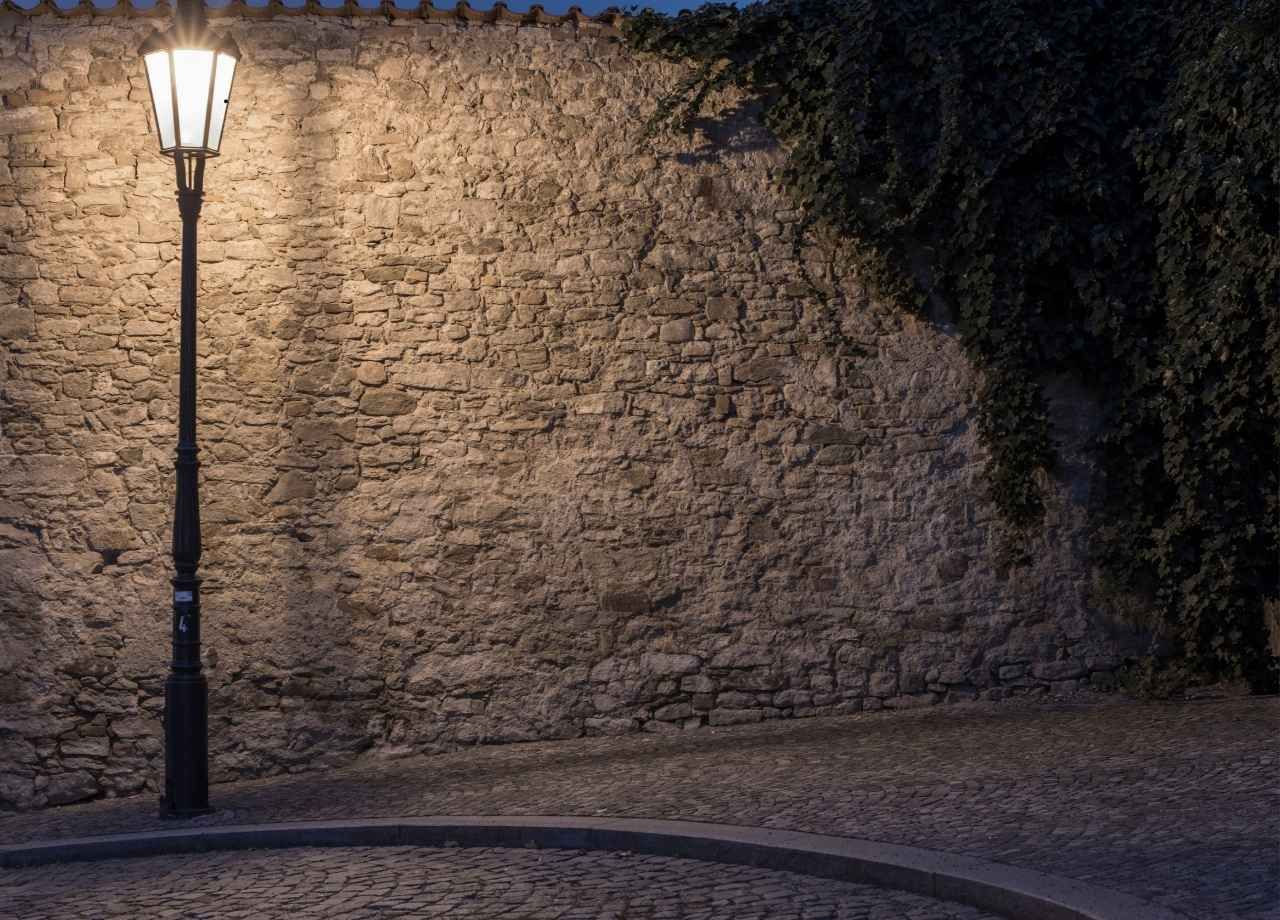
Brick, wood, warm stucco, clay roofing, beige stone, and earth-tone finishes often respond particularly well to 2700K. Mature trees with brown or textured trunks can also gain a richer appearance when illuminated with a carefully aimed warm beam.
This color temperature works especially well around patios, seating areas, pergolas, gardens, and entrances where visual comfort matters. It can also coordinate naturally with warm interior lighting visible through windows.
Cool gray materials, bright white architecture, and some green foliage may take on a slightly warmer or yellower appearance under 2700K. That is worth considering on modern homes dominated by cooler exterior colors.
What Does 3000K Landscape Lighting Look Like?
A 3000K LED produces a crisper warm white with less amber coloration. The difference from 2700K is noticeable without pushing the property toward the cold or blue appearance associated with much higher Kelvin ratings.
Light-colored stone, gray pavers, concrete, white stucco, and many contemporary finishes often respond well to 3000K. Green foliage may also look cleaner under a quality 3000K source because there is less of a golden cast.
This temperature can be useful when architectural texture and surface color need to remain visually crisp. Palms, ornamental grasses, hedges, and modern facades are common candidates.
Brightness should not be confused with color temperature, though. A 3000K fixture is not automatically brighter than a 2700K fixture. Fixture output, beam width, aiming, surface reflectance, and viewing distance have a much greater effect on actual illumination.
2700K vs 3000K for House Facades
Exterior materials should carry significant weight when selecting color temperature. Light can strengthen the natural colors of a facade or shift them enough to make the finished installation feel slightly off.
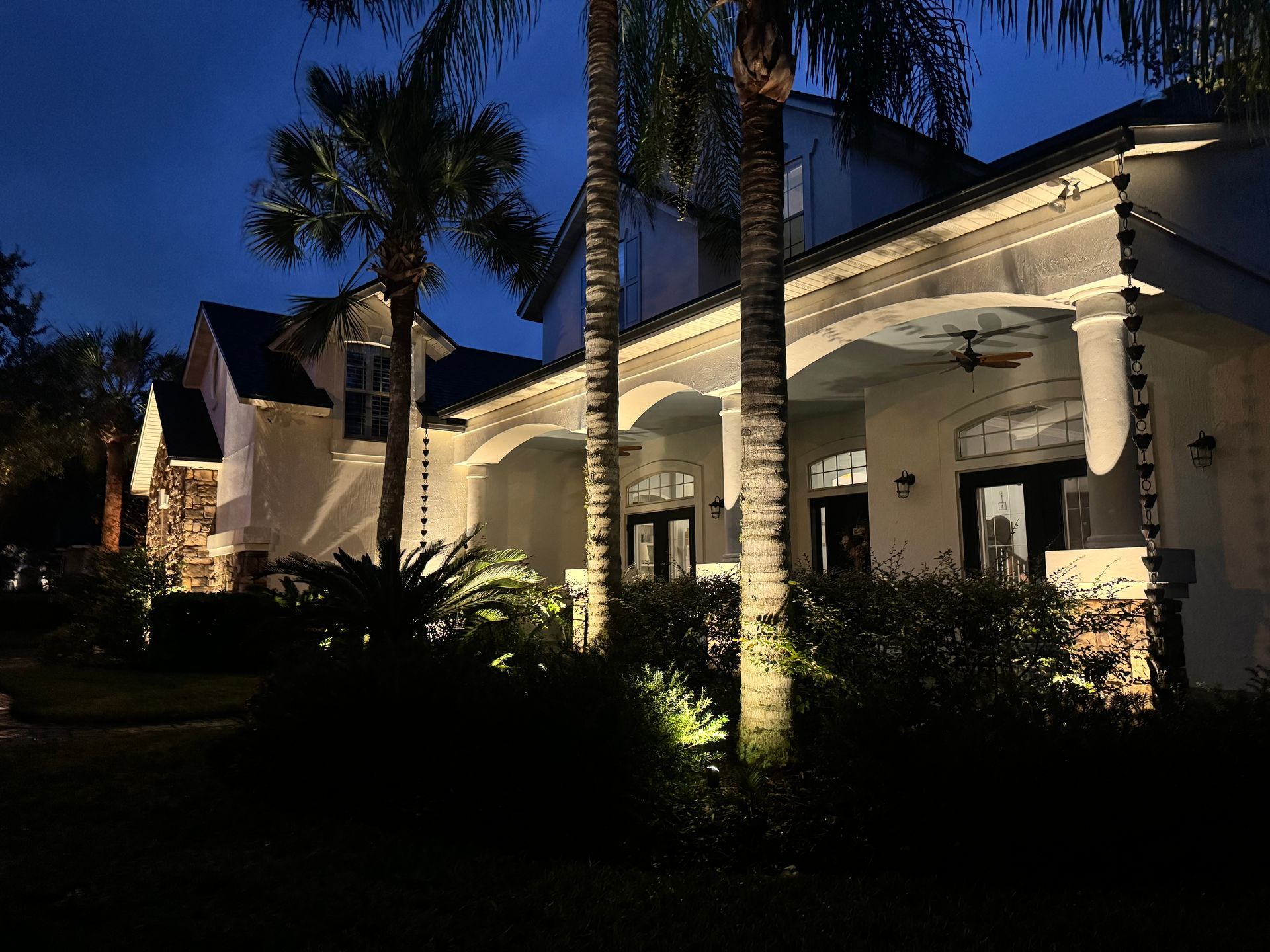
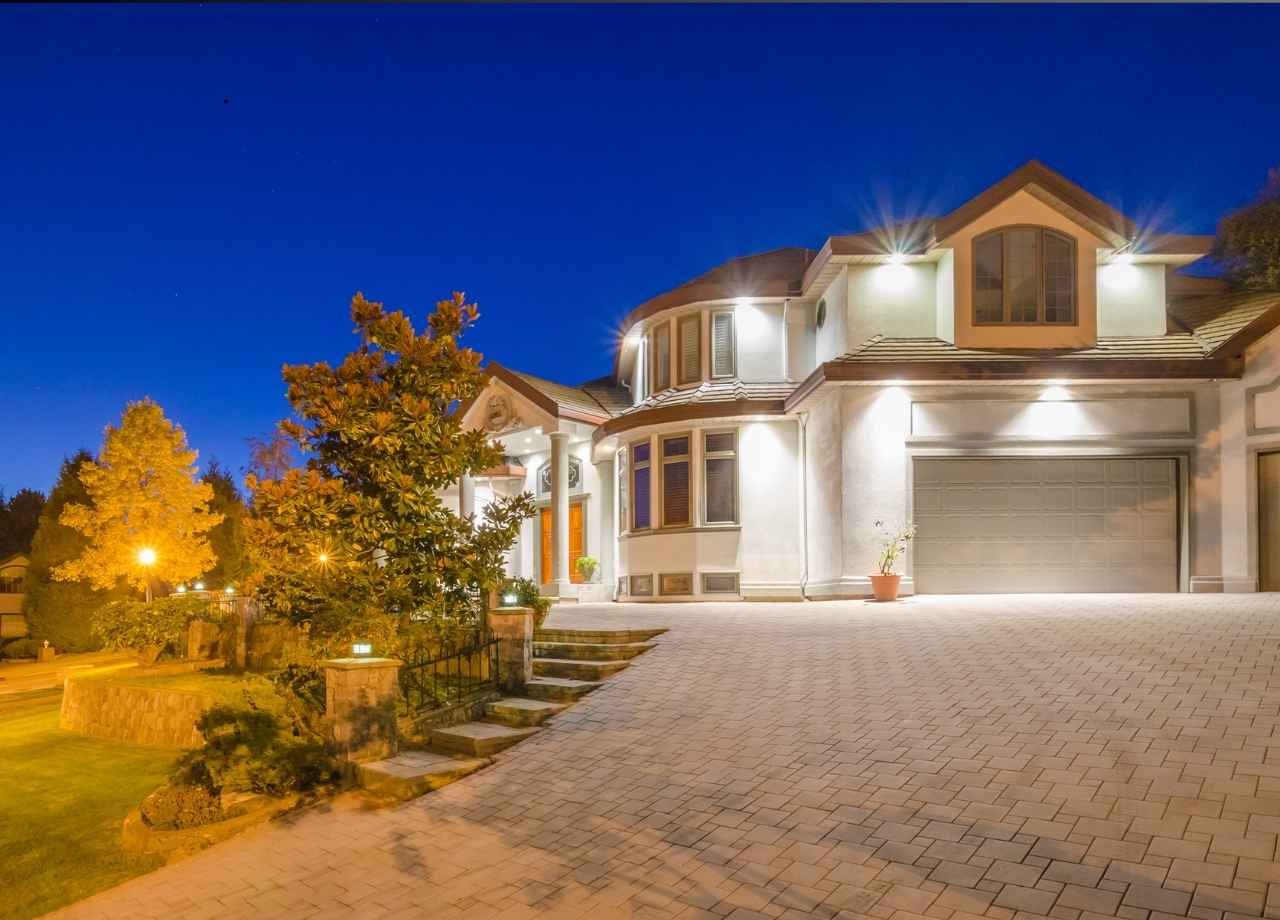
Traditional red and brown brick usually pairs naturally with 2700K. Warm stone, cedar, wood accents, cream stucco, and earth-tone paint colors are also strong candidates. Warm light reinforces the reds, browns, tans, and amber tones already present in these materials.
Modern homes often benefit from 3000K, particularly when the exterior uses white, charcoal, cool gray, concrete, metal, or pale stone. The cleaner light helps preserve those cooler surface colors instead of adding a strong golden tint.
Many homes combine several materials. A property might have warm brick, white columns, gray pavers, and mature landscaping. Testing the proposed color temperature against the actual surfaces after sunset can be much more useful than selecting LEDs solely from a catalog.
Which Color Temperature Works Better for Trees and Plants?
Landscape lighting should account for bark color, foliage density, leaf finish, plant height, beam angle, and viewing position. Different plants react noticeably differently to warm and neutral-white light.
A 2700K source can look excellent on live oak trunks, textured bark, ornamental trees, and plants with bronze or reddish characteristics. Its warmer tone brings forward brown and amber colors and can give established landscaping a softer nighttime appearance.
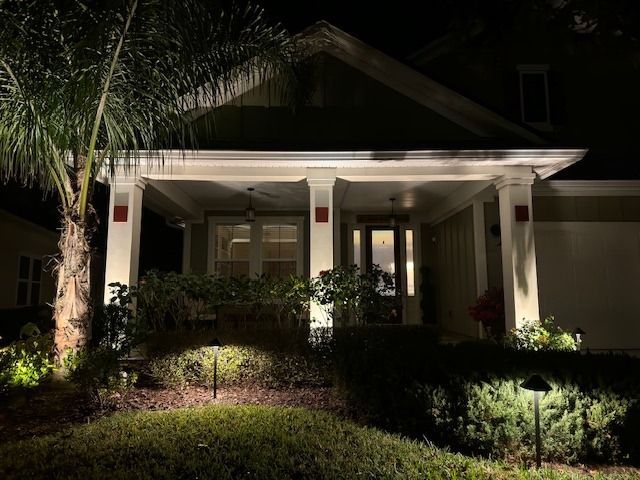
A 3000K source often works well where green foliage is the visual priority. Palms, hedges, broadleaf plants, and tropical landscaping can appear cleaner and fresher because the light contains less amber coloration.
Fixture positioning can matter more than the 300K difference. A poorly positioned 3000K uplight will not outperform a carefully aimed 2700K fixture. Beam control determines which trunks, branches, leaves, and surrounding surfaces receive light and where shadows are preserved.
2700K or 3000K for Path Lighting?
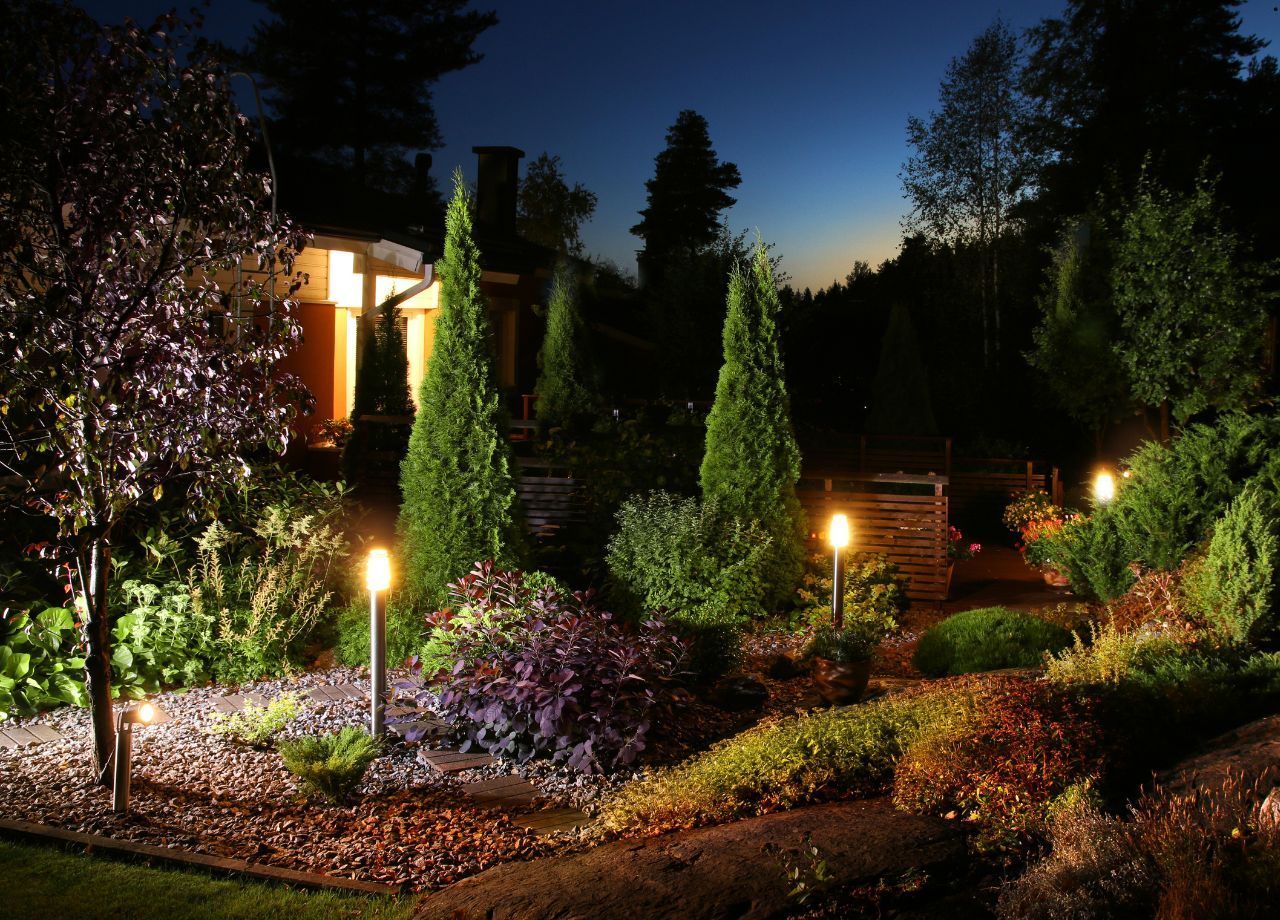
Path lighting should make changes in elevation, walkway edges, steps, and nearby obstacles easier to see without creating excessive brightness. Color temperature affects appearance, but shielding, spacing, mounting height, and beam distribution have a larger influence on usability.
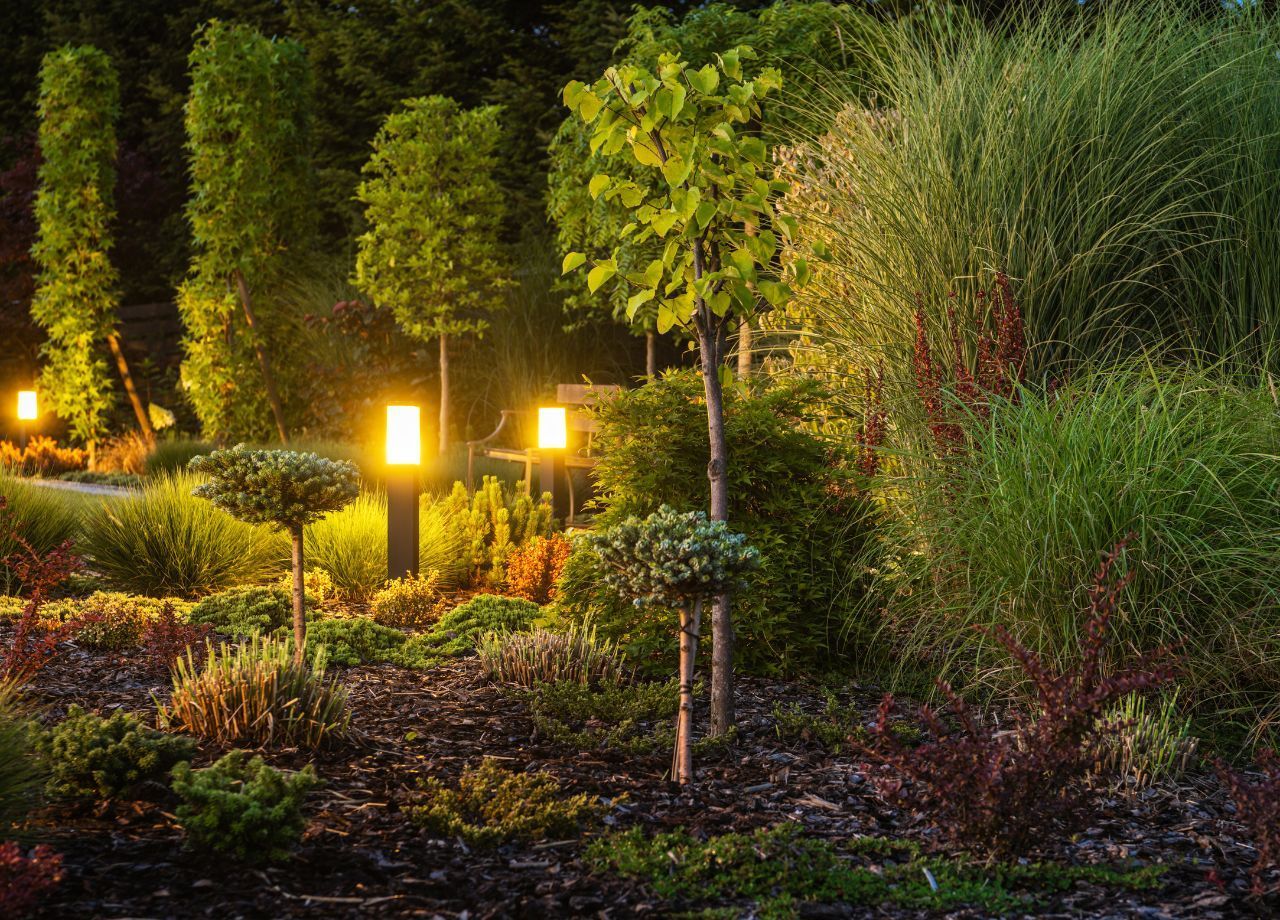
A 2700K path light fits naturally around traditional homes, garden paths, warm pavers, and heavily landscaped residential settings. It can provide visual guidance without making a walkway feel commercial or overly illuminated.
A 3000K path light may be better suited to contemporary hardscapes, gray concrete, cool-toned pavers, and modern architecture. It also coordinates well when nearby architectural fixtures already operate at 3000K.
Consistency matters. Alternating 2700K and 3000K fixtures along a short walkway can look accidental. Keeping fixtures within the same visual zone at a consistent color temperature generally creates a more polished result.
Which Is Better for Patios and Outdoor Kitchens?
Outdoor living areas require additional consideration because people spend extended periods there. Facial appearance, food preparation, visual comfort, task lighting, and glare become part of the design.
A 2700K source is often appealing around lounge areas, dining spaces, fire features, and relaxed patios. Its warmer appearance works naturally with wood furniture, masonry, warm pavers, and nearby interior lighting.
A 3000K source can work well around grills, counters, outdoor kitchens, and preparation areas where cleaner task lighting is useful. Proper shielding remains essential because a bright fixture aimed toward eye level can be uncomfortable at any color temperature.
Larger outdoor living areas can use different lighting treatments when zones are visually separated. Transitions should be deliberate so the space does not appear to contain mismatched fixtures.
Color Temperature Does Not Tell You How Bright a Fixture Is
Kelvin and brightness are separate specifications. Kelvin describes the color appearance of light, while lumens describe the quantity of visible light produced.
A 3000K fixture can have exactly the same lumen output as a 2700K fixture. The cleaner appearance of 3000K may sometimes create the perception of stronger illumination, but it does not automatically mean more light is reaching the target.
Beam angle also changes how intense a fixture appears. A narrow beam concentrates output onto a smaller target, while a wide flood spreads the light across a larger area. A lower-output narrow spot can appear much stronger on a tree trunk than a higher-output flood covering a broad planting bed.
Professional lighting design should consider Kelvin, lumens, beam angle, fixture location, aiming, and target surface together rather than choosing fixtures based on one specification.
CRI Matters Alongside Color Temperature
Color Rendering Index, or CRI, describes how naturally a light source renders colors compared with a reference source. It is an important specification when illuminating colorful landscaping and architectural materials.
Two LEDs labeled 3000K can make brick, flowers, foliage, paint, and stone look different if their color-rendering quality differs. The same applies to 2700K fixtures. Low-quality LEDs can technically meet a stated color temperature yet leave certain surfaces looking dull or unnatural.
Color consistency between fixtures also matters. Small variations can become noticeable when several uplights illuminate the same facade and their beams overlap.
Fixture quality, optical performance, thermal management, LED consistency, and CRI should be evaluated alongside the Kelvin rating.
Can You Mix 2700K and 3000K on the Same Property?
Using one color temperature across an entire property is not mandatory. Different areas can have different visual requirements.
A warm brick facade may look best at 2700K, while selected palms or contemporary hardscape features could benefit from 3000K. An outdoor kitchen might use 3000K task lighting with warmer lighting around nearby seating.
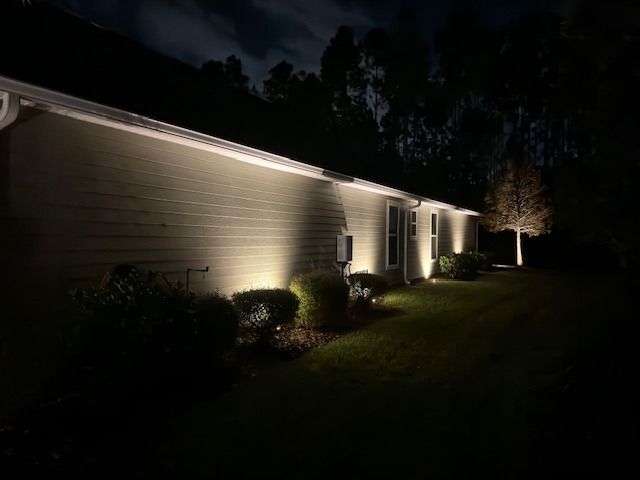
Problems appear when the two temperatures overlap without a clear purpose. A wall illuminated by 2700K from one direction and 3000K from another can show an obvious shift in color. Adjacent architectural columns illuminated at different temperatures may also look inconsistent.
Separate visual zones make mixed color temperatures easier to manage. Viewing the finished lighting from the street, driveway, patio, entry, and interior windows helps determine whether those zones feel connected.
Which Is Better for Jacksonville Homes?
Northeast Florida properties often combine brick, stucco, coastal finishes, paver driveways, mature live oaks, palms, tropical plants, pools, and screened outdoor living areas. That variety makes color-temperature selection especially dependent on the individual property.
Warm traditional architecture often responds beautifully to 2700K. Live oak trunks, brick, warm stone, and wood details can gain depth without appearing overly crisp.
Homes with white stucco, gray hardscape, contemporary architecture, or prominent tropical greenery may benefit from 3000K. Light-colored exterior surfaces can reflect considerable illumination, so fixture output should also be controlled carefully.
Florida's outdoor conditions make fixture construction important too. Humidity, irrigation, heavy rain, heat, plant growth, and coastal salt exposure can affect landscape lighting equipment over time. Selecting the right Kelvin rating is useful only when the fixtures and installation are suited to the environment.
2700K vs 3000K: Which Should You Choose?
A 2700K system is usually the stronger starting point when the goal is a warm, relaxed residential appearance. It pairs particularly well with brick, wood, warm stone, mature tree trunks, garden areas, patios, and traditional architecture.
A 3000K system is often better when the property needs a cleaner and slightly more modern appearance. White or gray architecture, concrete, cool-toned stone, palms, green foliage, contemporary hardscapes, and task-oriented areas are common applications.
Some properties benefit from carefully planned use of both temperatures. Color temperature should support the materials and landscape rather than drawing attention to the light source itself.
Viewing sample fixtures on the actual property after dark is one of the most reliable ways to decide. Check the facade from the street, examine plant colors, compare the lighting with existing exterior fixtures, and spend time in outdoor living areas before settling on a specification.
The better choice ultimately comes from combining color temperature with proper beam angles, output levels, fixture placement, glare control, color rendering, and shielding. When those elements are handled correctly, 2700K and 3000K can each produce excellent landscape lighting for the right property.