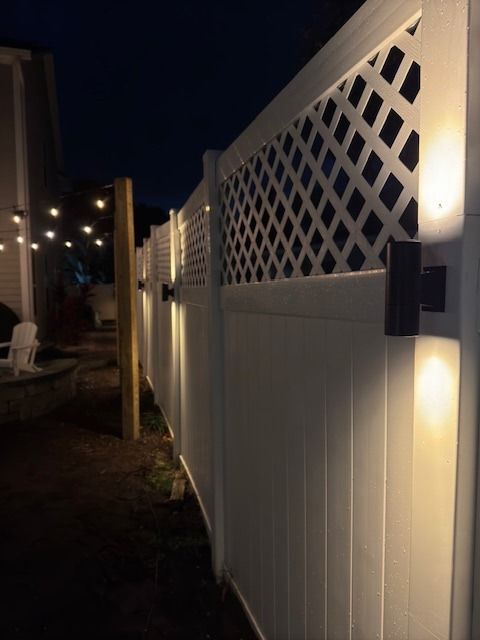
How to Protect Your Landscape Lighting During Florida Hurricane Season
Hurricane season brings a unique set of challenges for homeowners who invest in outdoor lighting. High winds, driving rain, flooding, storm surge, flying debris, and power fluctuations can all affect a landscape lighting system. A well-designed lighting installation is built to withstand normal weather conditions, but hurricanes create stresses that go far beyond everyday exposure.
Landscape lighting is often viewed as a decorative feature, yet it is also an electrical system installed throughout the property. Fixtures, transformers, wiring connections, and smart controls all need protection before, during, and after a major storm. Property owners who take a proactive approach can reduce the risk of damage, avoid expensive repairs, and restore their lighting much faster once conditions are safe.
Many homeowners work with professional outdoor lighting companies, including specialists like Aloha Outdoor Lighting, to design systems that use durable materials and proper installation practices. Even with a professionally installed system, seasonal preparation remains an important part of protecting the investment.
Why Hurricanes Create Special Risks for Landscape Lighting
Outdoor lighting systems face several threats during hurricane season that do not occur during normal rainstorms. Wind speeds can exceed 100 miles per hour, turning branches, outdoor furniture, and loose objects into projectiles. Ground saturation can also create issues around buried wiring and fixture stability.
Heavy rainfall often leads to standing water in landscape beds, lawns, and low-lying sections of a property. Extended exposure to water may not immediately damage quality fixtures, but compromised connections and aging components become more vulnerable during these conditions.
Power disturbances are another concern. Utility interruptions, sudden restoration of power, and voltage spikes can place stress on transformers, LED drivers, and smart lighting controls. Modern LED systems are generally more resilient than older technologies, yet electrical protection remains essential.
Salt air and coastal conditions add another layer of exposure for many Florida properties. Hurricanes can push saltwater farther inland than usual, increasing corrosion risks for fixtures and metal components.
Start With a Pre-Season Inspection
One of the most effective ways to protect landscape lighting is to inspect the entire system before hurricane season reaches peak activity. Waiting until a storm warning has been issued often leaves little time to identify vulnerabilities.
Walk the property and examine every visible fixture. Look for fixtures that lean, wobble, or appear loose in the soil. Ground-mounted lights can gradually shift over time due to irrigation, soil movement, and landscaping activity. A fixture that feels secure during normal weather may not remain stable during hurricane-force winds.
Pay close attention to wire connections. Junction points should remain protected from moisture intrusion and physical disturbance. Any signs of corrosion, exposed conductors, cracked wire nuts, or damaged insulation should be addressed immediately.
Transformers deserve special attention during inspections. Check for rust, water intrusion, damaged covers, or signs of overheating. Verify that mounting hardware remains secure and that surrounding vegetation does not restrict airflow.
A thorough inspection before storm season often reveals minor issues that can become major problems during severe weather.
Secure Fixtures Before a Storm Arrives
Landscape lighting fixtures are designed to remain outdoors year-round, but hurricanes create forces that exceed normal design expectations. Taking additional precautions before a major storm can significantly reduce the likelihood of damage.
Spotlights, path lights, and accent fixtures installed in soft landscape beds should be checked for stability. Re-secure any fixture that can easily shift by hand. Tightening mounting hardware and ensuring stakes are firmly seated in the ground helps prevent movement during strong winds.
Tree-mounted fixtures require close examination. Hardware attached to trunks or branches should remain tight and free from corrosion. Branch movement becomes much more aggressive during hurricanes, placing additional stress on mounting points and wiring.
Portable decorative lighting elements should be removed and stored indoors whenever possible. Temporary fixtures, decorative string lights, and plug-in landscape accents are far more vulnerable than permanently installed systems.
Property owners with lighting around outdoor kitchens, pergolas, gazebos, or pool areas should inspect mounting surfaces carefully. Structural movement during storms can affect attached lighting components.
Protect the Transformer From Water and Power Issues
The transformer serves as the heart of most low-voltage landscape lighting systems. Protecting this component can prevent significant damage and simplify recovery after a storm.
A properly installed transformer should already be mounted above expected water levels. Properties located in flood-prone areas should evaluate whether the current installation height remains adequate based on recent flooding events and updated risk assessments.
Surge protection has become increasingly important as outdoor lighting systems incorporate smart controls, Wi-Fi connectivity, and sophisticated LED technology. Surge protection devices can help reduce damage caused by power fluctuations associated with hurricanes and utility restoration efforts.
Many homeowners choose to disconnect power to landscape lighting systems when a major hurricane is imminent. This decision depends on the system design and local conditions. If power is disconnected, follow manufacturer recommendations and local electrical safety guidelines.
After the storm passes, resist the urge to immediately restore power. A careful inspection should occur first to identify standing water, damaged wiring, or compromised fixtures.
Manage Vegetation Around Lighting Equipment
Trees and landscaping contribute greatly to the appearance of an outdoor lighting design, yet they can also become sources of damage during severe weather.
Branches rubbing against fixtures, wiring, and mounting hardware can create wear over time. During hurricanes, those same branches may break or move violently enough to damage equipment.
Pre-season pruning reduces the likelihood of fallen limbs affecting landscape lighting. Focus on removing dead branches, weak growth, and limbs that extend directly above lighting equipment.
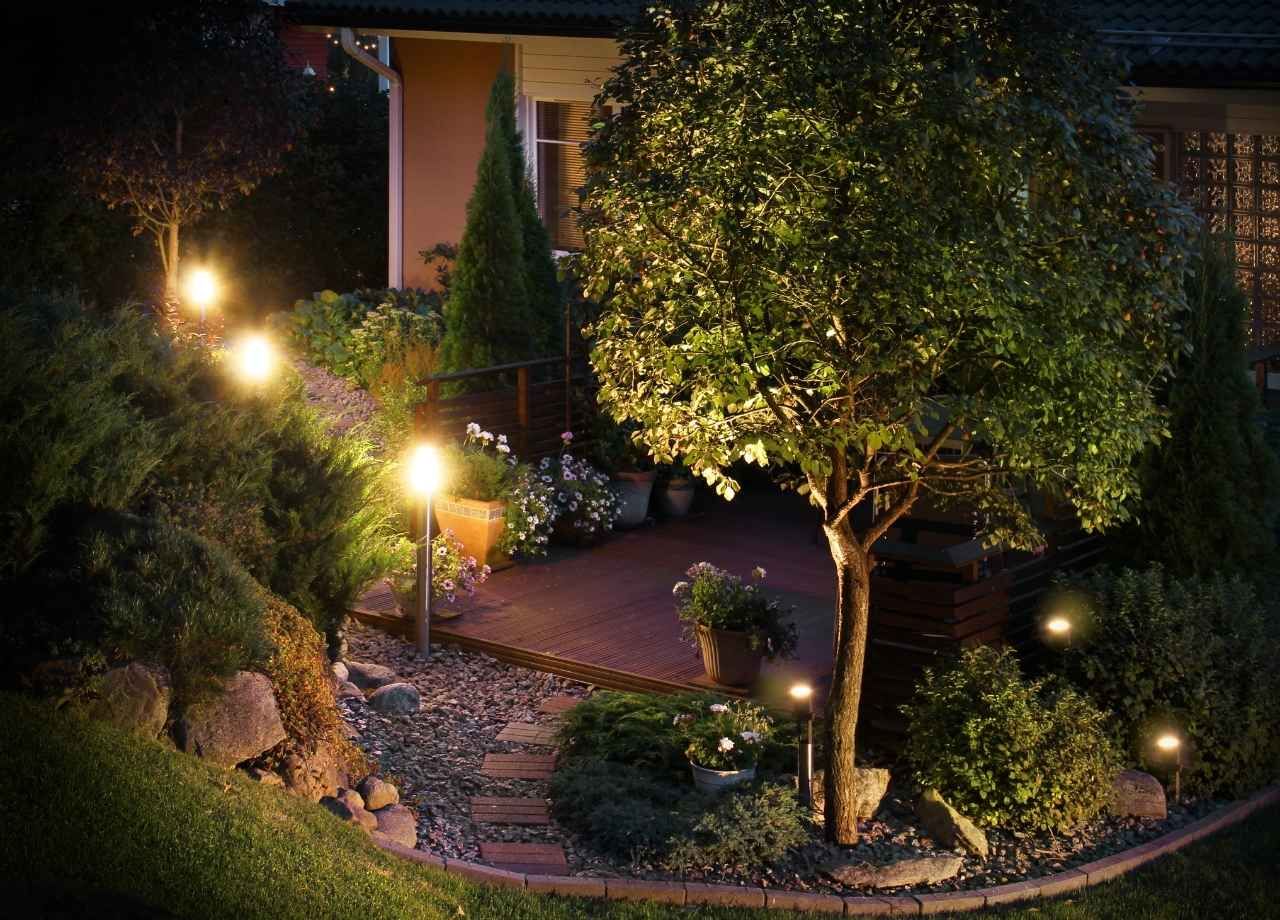
Shrubs and dense vegetation surrounding transformers should also be trimmed back. Good airflow helps maintain equipment performance and allows easier inspection before and after storms.
Landscape growth can gradually conceal fixtures and wiring. Maintaining clear visibility throughout the year makes it easier to identify problems before they become expensive repairs.
Address Drainage Problems Before They Affect the System
Water management plays a major role in landscape lighting longevity for hurricane-prone areas. Even fixtures designed for wet environments can experience problems when standing water persists for extended periods.
Observe how water moves through the property during heavy rainfall. Areas that consistently collect water deserve special attention. Fixtures located in these zones may require relocation, elevation adjustments, or drainage improvements.
French drains, grading corrections, catch basins, and other drainage solutions can reduce long-term exposure to flood conditions. These improvements not only protect lighting equipment but also benefit the landscape as a whole.
Transformer locations should remain free from recurring water accumulation. A transformer that repeatedly experiences flooding faces a much greater risk of failure during a hurricane.
Properties near marshes, waterways, retention ponds, or coastal areas should evaluate drainage annually because environmental conditions can change over time.
Understand the Benefits of Modern LED Systems
Many older landscape lighting systems still operate with outdated components that may be less resilient during severe weather events. Modern LED technology offers several advantages when hurricane season arrives.
LED fixtures typically generate less heat and consume less energy than older halogen systems. Lower operating temperatures can reduce stress on electrical components throughout the year.
High-quality LED fixtures often feature improved sealing methods, better corrosion resistance, and more durable construction materials. Marine-grade brass and copper fixtures remain popular choices throughout Florida because of their ability to withstand harsh environmental conditions.
Smart lighting controls can also assist with post-storm recovery. Some systems allow remote diagnostics, scheduling adjustments, and operational monitoring once power has been restored.
Upgrading older equipment before hurricane season can improve reliability and reduce future maintenance concerns.
Post-Storm Inspection and Recovery
Once local authorities indicate conditions are safe, landscape lighting should be inspected carefully before returning the system to normal operation.
Begin with a visual assessment of the property. Look for downed branches, exposed wiring, displaced fixtures, and standing water. Any obvious damage should be documented before repairs begin.
Check fixtures for cracks, dents, and loose components. Impact damage from debris may not always be visible from a distance. Examine lenses, mounting hardware, and wiring connections closely.
Inspect transformer enclosures for signs of water intrusion. Moisture inside electrical equipment should be addressed before power is restored.
Ground movement caused by flooding can expose buried wiring. Walk the property slowly and identify any areas where cables may have surfaced or become damaged.
If significant flooding occurred, a professional evaluation is often the safest approach. Electrical systems exposed to floodwater require careful inspection to ensure safe operation.
Long-Term Strategies for Hurricane Resilience
Protecting landscape lighting during hurricane season should not be viewed as a once-a-year task. The most resilient systems are built around long-term planning, quality materials, and routine maintenance.
Choosing corrosion-resistant fixtures, using professional-grade connections, and installing proper surge protection all contribute to better storm performance. Regular inspections throughout the year help identify vulnerabilities before hurricane season arrives.
Property owners should also maintain records of their lighting system, including fixture locations, transformer specifications, wiring routes, and warranty information. Detailed documentation can simplify repairs and insurance claims if storm damage occurs.
Weather patterns across Florida continue to produce powerful storms capable of affecting outdoor electrical systems. Preparation remains the most effective defense. A landscape lighting system that receives proper maintenance, drainage management, vegetation control, and seasonal inspections stands a much better chance of weathering hurricane season with minimal disruption.
Outdoor lighting represents a significant investment in the beauty, safety, and functionality of a property. Taking time to prepare before storms arrive helps protect that investment and supports faster recovery when hurricane season inevitably puts outdoor systems to the test.