Pool Wall Lights: How to Choose the Right Lighting for a Safer, More Beautiful Swimming Pool
A swimming pool changes character after sunset. Water that looks bright and inviting during the day can become a dark, reflective surface once natural light disappears. Pool wall lights solve this problem by bringing controlled illumination into the water, improving nighttime visibility and giving the entire outdoor area a more finished appearance. The right lighting arrangement can highlight the pool's shape, reveal architectural details and create a comfortable atmosphere for evening swimming and entertaining.
Choosing pool wall lights requires more thought than selecting attractive fixtures. Placement, beam direction, brightness, color temperature, water depth and electrical safety all influence the finished result. At
Aloha Outdoor Lighting, we help Jacksonville homeowners create thoughtfully designed outdoor lighting environments that complement their properties and outdoor living spaces.
What Are Pool Wall Lights and How Do They Work?
Pool wall lights are specialized underwater fixtures installed along the interior walls of a swimming pool. They distribute light through the water, illuminating the swimming area and making the pool easier to see after dark. Depending on the fixture design, illumination can spread across a wide section of the pool or create more focused lighting effects.
Modern pool wall lighting primarily uses LED technology. LEDs produce substantial illumination while consuming considerably less electricity than traditional incandescent pool lamps. They also generate less heat, offer extended operating life and are available with different color temperatures and programmable color options.
Most contemporary systems operate on low-voltage power supplied through a suitable, listed isolation transformer or power supply. Fixtures are designed specifically for underwater applications, with sealed housings, appropriate materials and electrical connections intended to withstand continuous exposure to pool water.
Why Proper Pool Wall Lighting Matters
Visibility is one of the most important reasons to install pool wall lights. Good underwater illumination helps swimmers identify pool edges, steps, benches and changes in depth. It also makes the waterline easier to distinguish from surrounding surfaces, which can improve nighttime awareness.
Lighting also influences how the pool looks from the house, patio and garden. A well-positioned fixture creates depth beneath the water's surface, highlights tile finishes and adds visual interest to otherwise dark areas. Pools with integrated seating, raised walls or distinctive architectural features benefit from lighting that makes these details visible after sunset.
Another consideration is how the pool connects with the surrounding property. A brightly illuminated pool surrounded by an unlit patio can appear disconnected from the rest of the landscape. Coordinating underwater illumination with nearby landscape and architectural lighting creates a more balanced outdoor environment.
Choosing Between White LED and Color-Changing Pool Lights
White LED pool wall lights remain a popular choice for homeowners who prefer clean, consistent illumination. Their appearance depends largely on color temperature. Warm white produces a softer, slightly golden effect, while cool white creates a crisp appearance that can make water look brighter and more contemporary.
Neutral white offers a middle ground, providing clear visibility without the cooler appearance of some high-temperature LEDs. When selecting a fixture, consider the pool's interior finish. White plaster, dark pebble finishes, blue tile and reflective surfaces can all influence how the same light appears underwater.

Color-changing RGB and RGBW fixtures offer additional flexibility. RGB systems combine red, green and blue LEDs to produce different colors, while RGBW systems include a dedicated white LED for improved white-light performance. Compatible controllers may provide fixed colors, gradual transitions and synchronized lighting scenes.
For everyday swimming, a consistent white setting is often practical. Color-changing modes can be reserved for gatherings or special occasions. Homeowners should also check controller compatibility, operating requirements and whether replacement fixtures will work with their existing lighting system.
Where Should Pool Wall Lights Be Installed?
Fixture placement determines how evenly the pool receives illumination. Lights are commonly installed along the longer walls, with spacing selected according to pool dimensions, fixture output, beam distribution and surrounding conditions.
A single light may be sufficient for a compact plunge pool, but larger swimming areas generally require multiple fixtures. Installing lights too close together can create unnecessarily bright sections, while excessive spacing may leave noticeable dark areas.
The direction of illumination deserves equal attention. Fixtures should generally face away from primary viewing areas, including patios, seating spaces and large windows. This reduces direct glare and allows people outside the pool to enjoy the illuminated water without looking directly into the light source.
Pool shape also affects placement. Rectangular pools often allow straightforward, symmetrical arrangements. Freeform pools, curved walls and irregular layouts require more careful planning to achieve consistent coverage.
Installation depth must follow the fixture's specific listing and applicable electrical requirements. Under the 2024 International Residential Code, conventional wall-mounted underwater luminaires generally require the top of the lens to sit at least 18 inches below normal water level, unless the fixture is specifically listed for a shallower installation. The applicable local code and product instructions must always be verified before installation.
Understanding Brightness, Beam Spread and Color Temperature
Brightness should be selected according to the pool's size and the intended visual effect. Lumens provide a useful measurement of light output, but lumen ratings alone do not determine how effectively a fixture illuminates the water.
Beam angle and optical design influence how light spreads across the pool. A wide distribution pattern can help illuminate larger areas, whereas a narrower beam may produce concentrated brightness. Looking at manufacturer photometric information can help determine whether a fixture suits the pool's dimensions.
Color temperature, measured in Kelvin, also affects the appearance of illuminated water. Warm white generally falls around 2700K to 3000K, neutral white around 3500K to 4000K, and cooler white around 5000K or higher.
The pool finish should guide this decision. Dark finishes absorb more light and may require carefully planned output and fixture placement. Lighter finishes reflect more illumination and can appear brighter with the same equipment.
Pool Wall Light Safety and Electrical Requirements
Underwater lighting requires specialized electrical protection. Pool water, conductive surfaces and electrical equipment create conditions that demand strict installation standards. Pool wall lights should never be treated like ordinary outdoor wall fixtures.
The National Electrical Code Article 680 establishes requirements for swimming pool electrical installations. Underwater luminaires must be listed for their intended application, and their transformers or power supplies must be specifically identified for swimming pool use.
Low-voltage LED systems are widely used because properly designed isolated systems operate at reduced voltage. However, low voltage does not eliminate the need for correct installation, bonding where required, grounding provisions and applicable ground-fault protection.
The 2024 International Residential Code also specifies requirements for underwater fixture positioning, electrical supplies and installation methods. Requirements can vary according to fixture type and local code adoption.
A licensed electrician familiar with pool installations should handle electrical connections, transformer placement and required protective measures. Homeowners should never attempt underwater wiring repairs, bypass protective devices or replace fixtures without following manufacturer instructions and applicable safety requirements.
Maintaining Pool Wall Lights for Long-Term Performance
LED pool wall lights generally require less maintenance than traditional incandescent fixtures, but they still need periodic inspection. Water chemistry, mineral deposits and corrosion can affect fixture components and surrounding hardware.
Maintaining balanced pool water helps protect lighting equipment. Excessively acidic or improperly treated water can accelerate deterioration of seals, metallic components and other materials. Follow the pool equipment manufacturer's recommended chemical ranges.
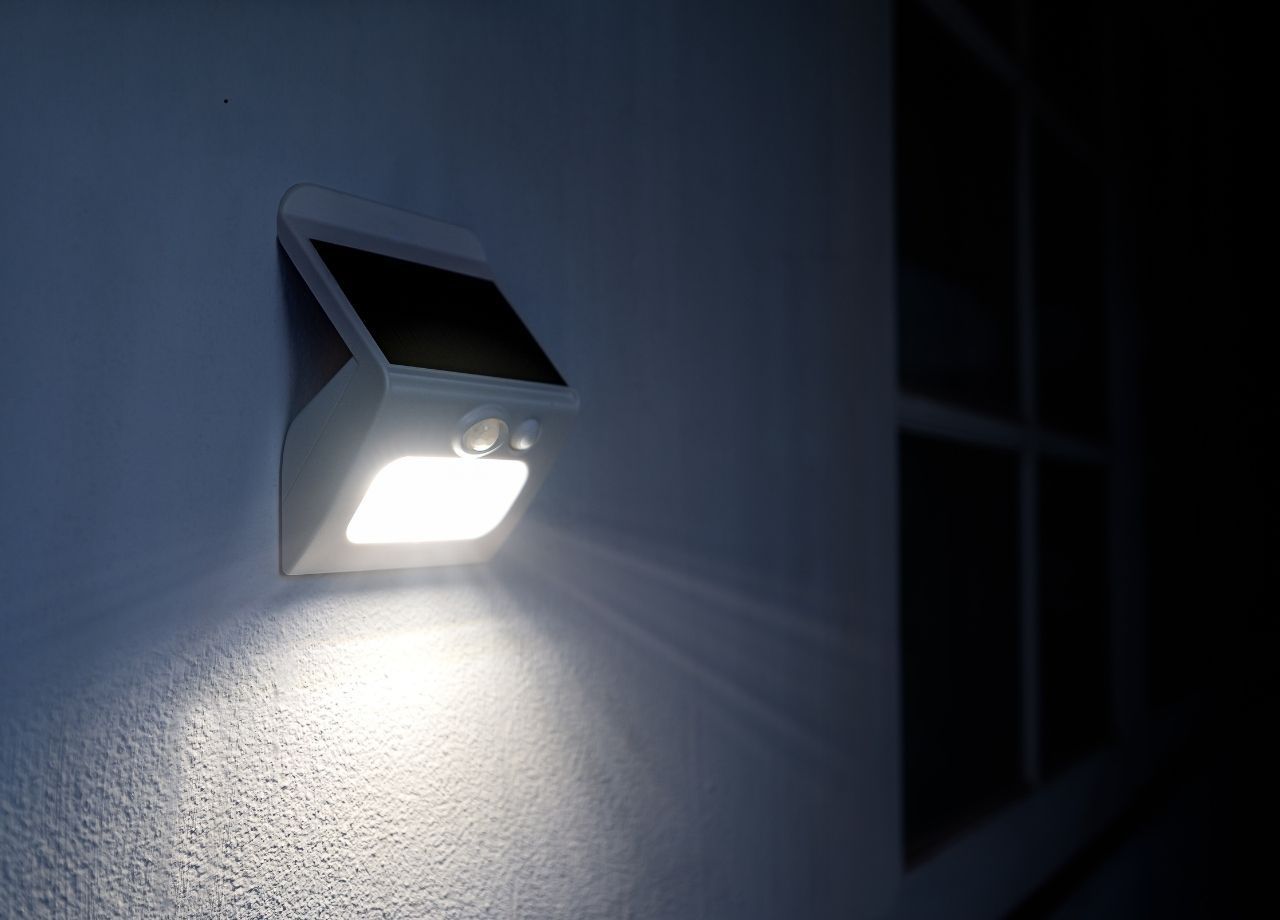
During routine pool maintenance, inspect visible fixture surfaces for cracks, discoloration, loose fittings or signs of water intrusion. Any unusual condensation inside a sealed fixture, flickering or repeated electrical tripping deserves professional attention.
Led fixtures often have long rated operating lives, but their actual lifespan depends on operating temperature, electrical supply quality, construction and usage. Some sealed fixtures require complete replacement rather than individual LED servicing. Checking serviceability before purchasing can prevent unexpected replacement costs.
Creating a Balanced Pool Lighting Design
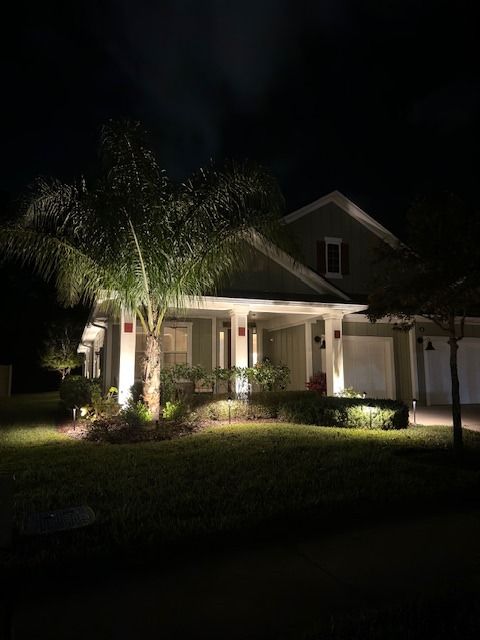
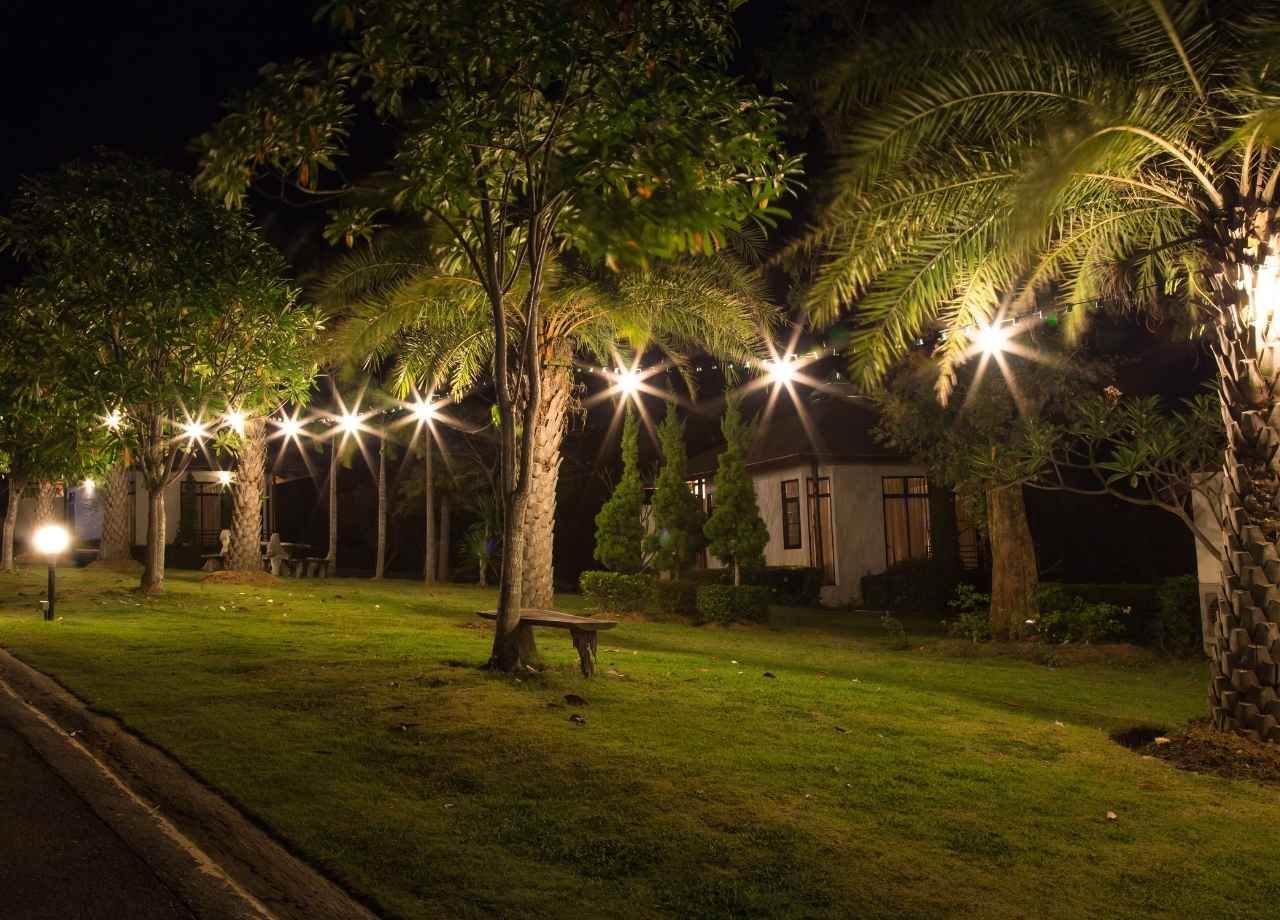
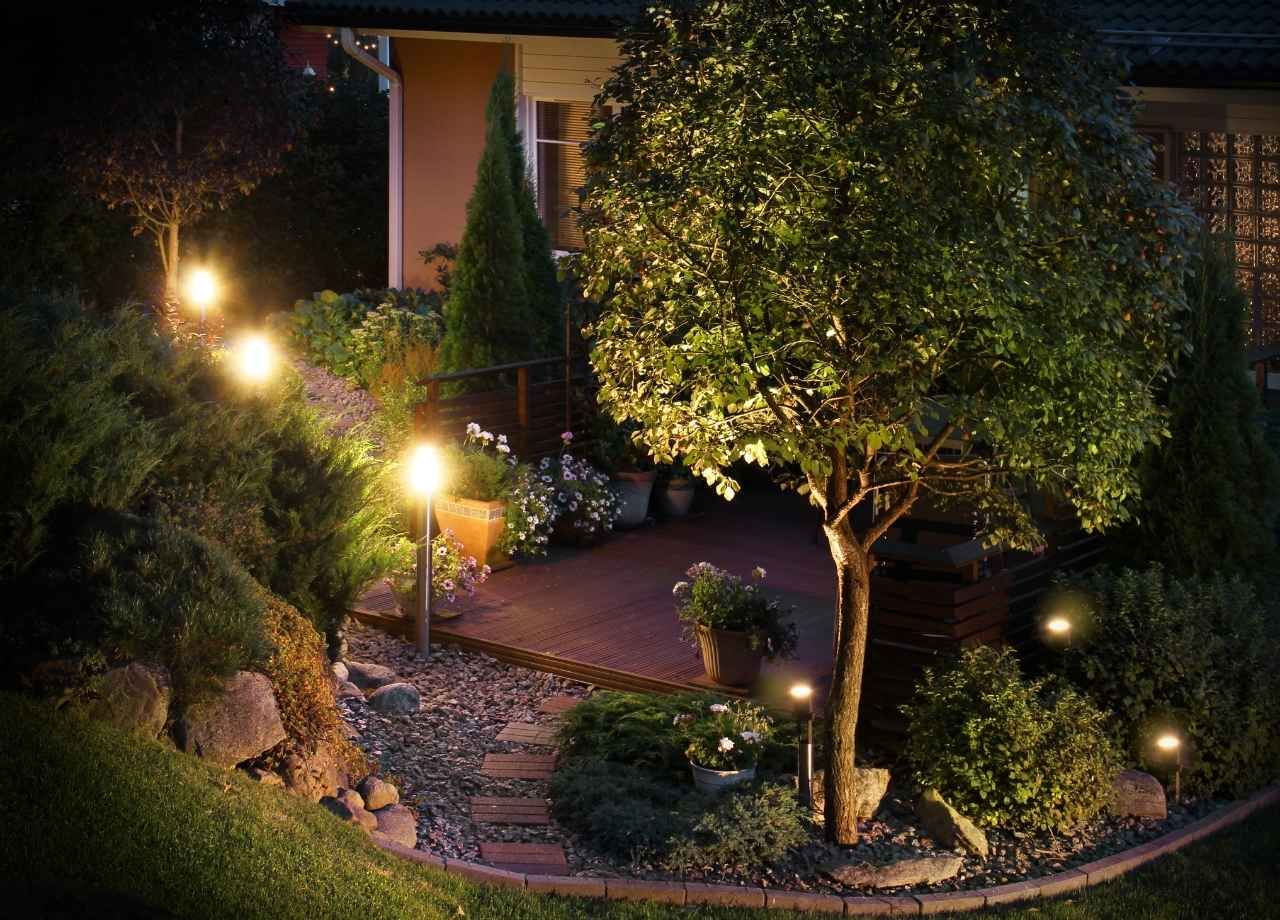
Pool wall lights work best when considered alongside the surrounding outdoor lighting. Underwater illumination establishes the pool as a visual focal point, while carefully positioned landscape lights can highlight nearby trees, planting beds and architectural features.
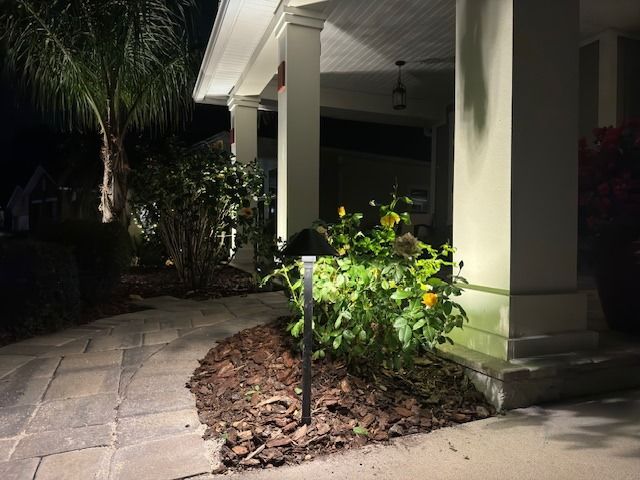
Low-glare lighting around walkways and pool entrances helps people navigate the area without overwhelming the water's appearance. Architectural lighting can emphasize covered patios, retaining walls and outdoor entertainment areas.
Brightness should remain balanced throughout the property. Excessively bright fixtures around the pool can compete with underwater lighting, while poorly illuminated pathways can create uncomfortable transitions between bright and dark areas.
Smart lighting controls offer another useful feature. Compatible systems allow homeowners to adjust brightness, change colors and schedule lighting operation. Before selecting smart controls, confirm that the fixtures, transformer and controller are designed to operate together.
Choosing Pool Wall Lights That Deliver Lasting Value
The best pool wall lighting system combines dependable construction, suitable brightness, carefully planned placement and appropriate electrical protection. LED technology offers an efficient solution for modern swimming pools, while RGBW options provide additional control over nighttime appearance.
Before purchasing fixtures, review their underwater listing, voltage requirements, installation depth, beam distribution, material compatibility and warranty. Saltwater pools require particular attention to corrosion resistance and manufacturer-approved materials.
A well-planned installation makes the swimming pool more inviting after sunset, improves visibility and connects the water with the surrounding outdoor living space. Thoughtful fixture selection and professional installation help ensure the lighting performs reliably while complementing the property's architecture and landscape.