Driveway Lighting Ideas: 12 Ways to Improve Safety, Visibility, and Curb Appeal
A well-lit driveway makes arriving home after dark easier, improves nighttime visibility, and gives a property a more finished appearance. The right lighting can define driveway edges, highlight landscaping, illuminate parking areas, and create a welcoming transition from the street to the front entrance. A successful design also needs to account for glare, fixture placement, brightness, and the way light interacts with surrounding surfaces.
Homeowners looking to upgrade their property's nighttime appearance can benefit from a professionally planned system. At Aloha Outdoor Lighting, we design and install customized outdoor lighting solutions that bring together practical illumination, energy-efficient LED technology, and carefully positioned fixtures.
Choosing the right approach starts with understanding the driveway's layout, surface material, landscaping, and daily use. Here are 12 driveway lighting ideas worth considering when planning an outdoor lighting upgrade.
1. Install Low-Profile Driveway Path Lights
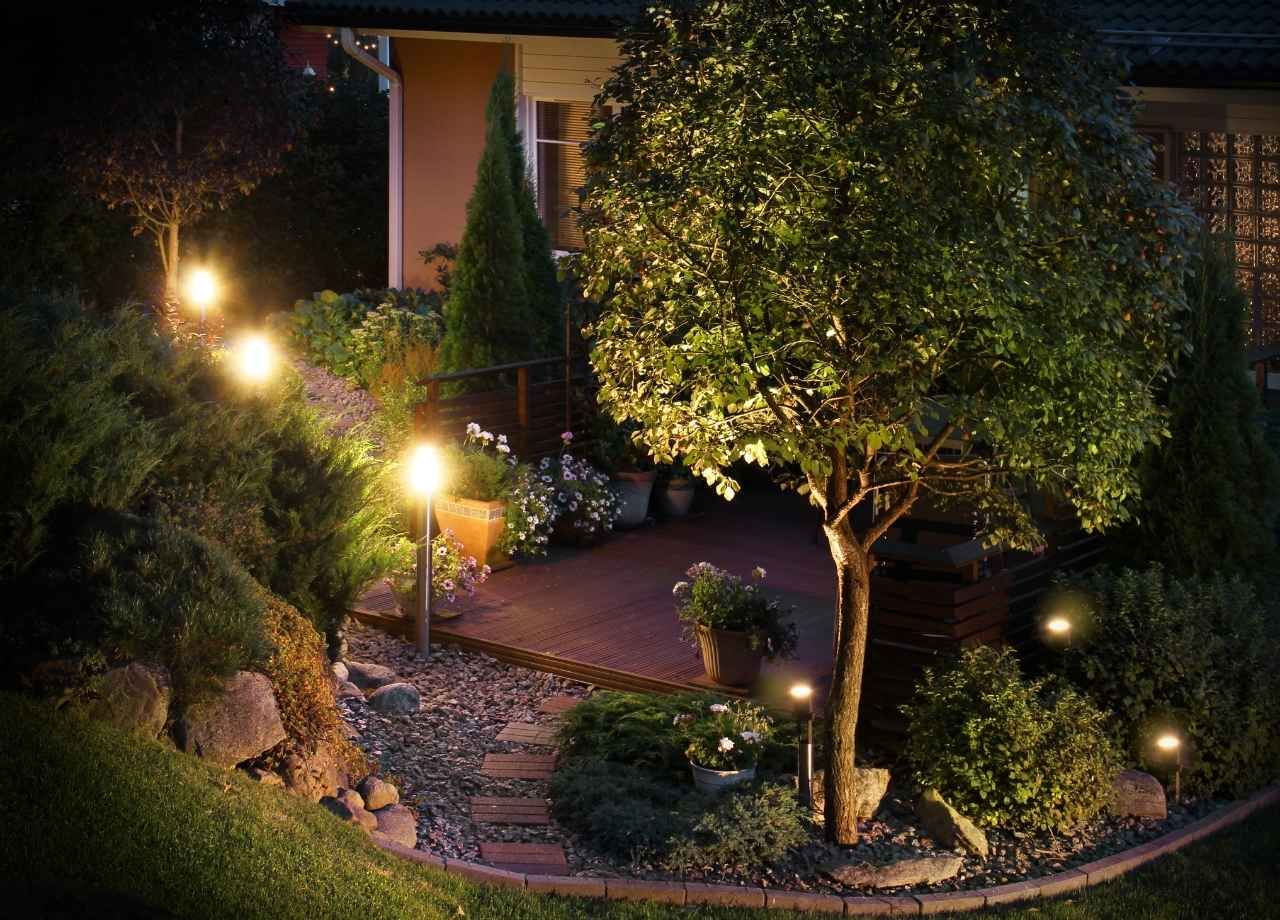
Low-profile path lights are a practical choice for defining driveway edges without overwhelming the surrounding landscape. Their downward-facing illumination creates a visible boundary between the driving surface, lawn, planting beds, and pedestrian areas. This is particularly useful on properties with curved driveways, narrow entrances, or limited nighttime visibility.
Choose fixtures with shielded light sources and a controlled beam pattern. Spacing should be determined by the fixture's distribution, mounting height, driveway width, and surrounding conditions rather than following an arbitrary distance. A consistent arrangement helps drivers recognize the route without creating bright spots or distracting pools of light.
2. Highlight Driveway Edges With Recessed Ground Lights
Recessed ground lights offer a clean appearance for homeowners who prefer lighting that stays close to the surface. Installed along driveway borders, these fixtures create subtle points of illumination that help define the route after sunset. They work particularly well with contemporary homes, paved entrances, and carefully designed landscape borders.
Fixture selection is important. Look for products specifically rated for ground installation, with suitable ingress protection, durable lenses, and load ratings appropriate to their location. Lights installed where vehicles may pass over them must be designed for that application. Proper drainage and installation depth also help prevent premature failure.
3. Use Landscape Lighting to Frame the Driveway
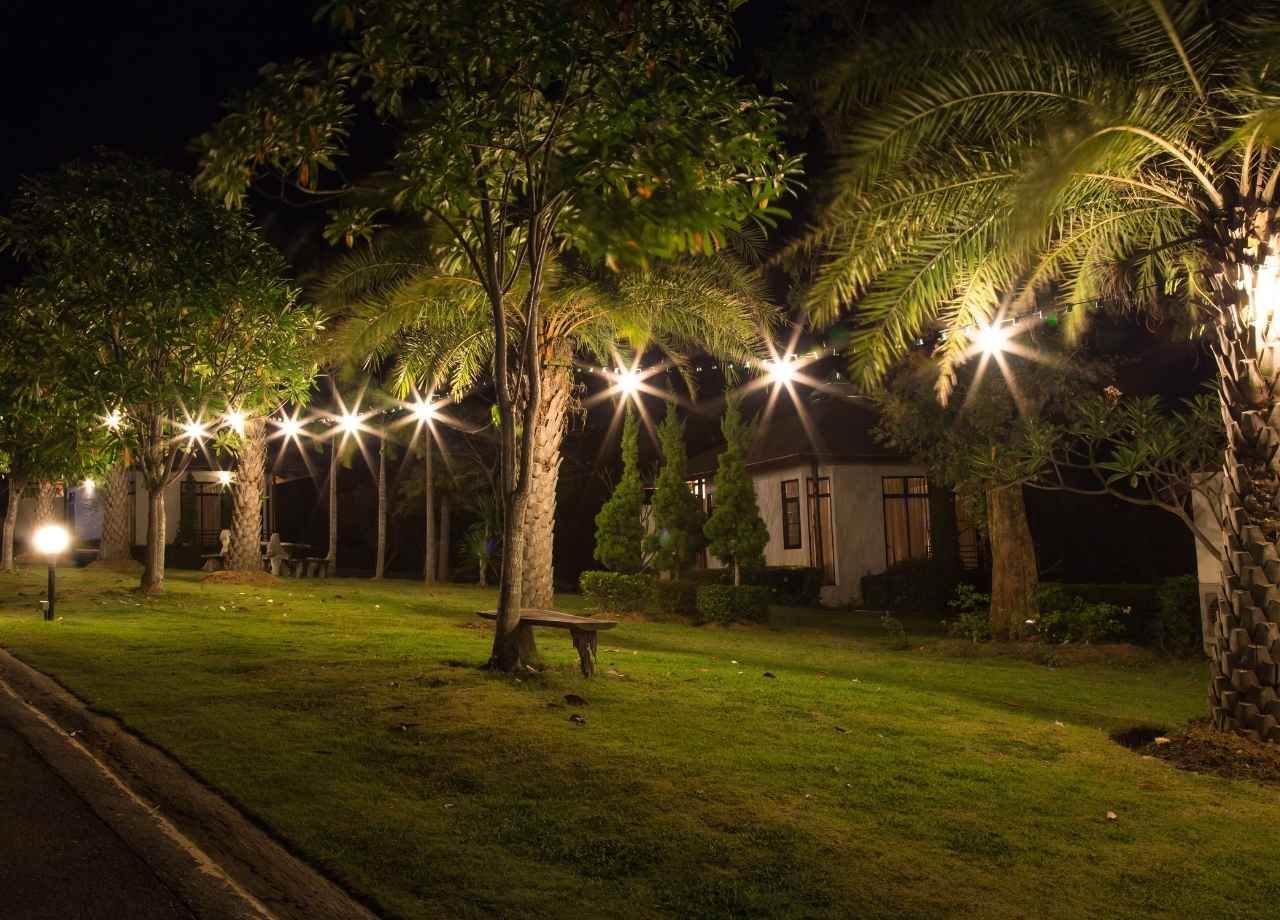
Landscape lighting can make a driveway feel connected to the rest of the property. Small shrubs, ornamental grasses, mature trees, and planting beds provide natural opportunities to introduce soft illumination. Rather than lighting every plant, select a few visually important features that help establish a clear nighttime composition.
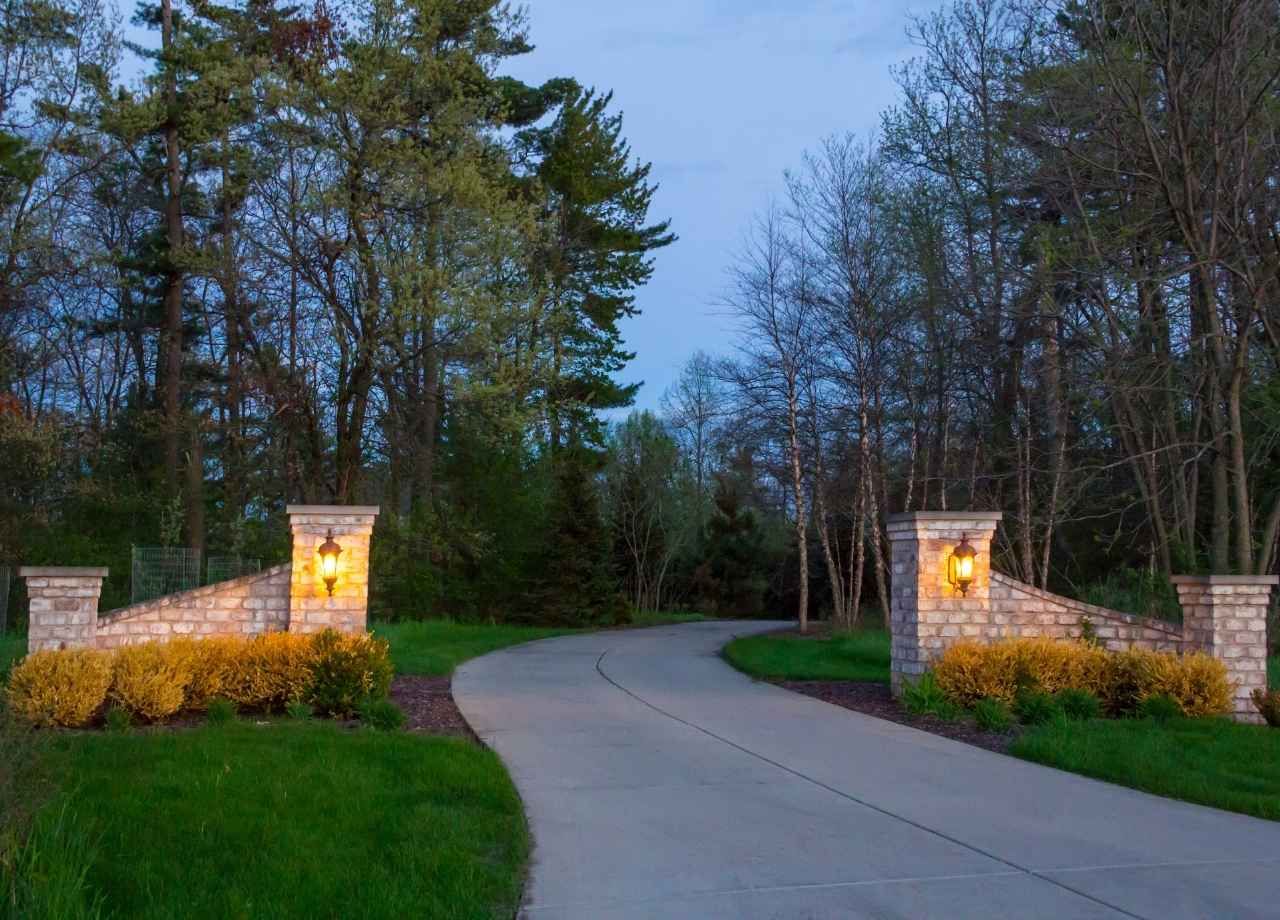
Shielded directional fixtures can illuminate selected foliage without sending unnecessary light toward drivers or neighboring properties. Position lights carefully to avoid shining directly into vehicle sightlines. The objective is to create visual depth along the driveway while preserving comfortable visibility across the driving surface.
4. Add Post Lights Along Longer Driveways
Post lights are particularly useful for long driveways where low-level fixtures alone may not provide enough visual guidance. Positioned at the entrance, near a gate, or at important changes in direction, they create recognizable reference points for approaching vehicles.
The height, spacing, and output of each post light should suit the property's scale. Oversized fixtures can dominate smaller homes, while closely spaced lights may make a long driveway look unnecessarily busy. Select shielded designs with downward-directed illumination and warm LED sources for a more comfortable nighttime appearance.
5. Illuminate the Driveway Entrance
The driveway entrance deserves special attention because drivers need to identify the property's access point before turning. Lighting near entrance pillars, landscape features, address markers, or gate structures makes the transition from the road easier to recognize.
A pair of appropriately scaled fixtures can establish a balanced entrance, particularly when architectural columns or stone features frame the opening. Avoid placing bright lights directly at a driver's eye level. The light should reveal the entrance and surrounding boundaries without creating glare for approaching traffic.
6. Incorporate Wall-Mounted Exterior Lights
Wall-mounted lights can provide useful illumination near garages, side entrances, and sections of the driveway that run alongside the home. They also help connect the driveway lighting scheme with the property's existing architectural lighting.
Choose fixtures with downward-facing optics or shielding that prevents direct exposure to the LED source. Pay attention to mounting height and beam spread. A fixture positioned too high or fitted with an excessively wide beam can send light across windows, neighboring yards, and areas that do not need illumination.
7. Highlight Trees With Carefully Positioned Uplights
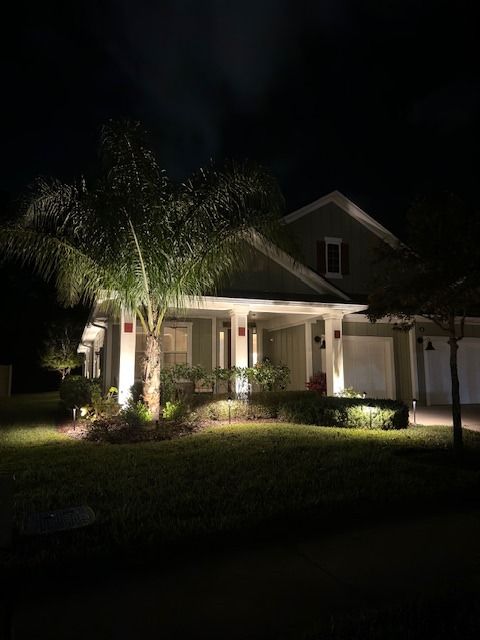
Mature trees can become attractive nighttime features when illuminated with carefully aimed landscape fixtures. A narrow-beam uplight positioned near the trunk can reveal bark texture, while a wider beam can bring out the shape of a larger canopy.

Use this technique selectively along driveways with established trees or landscaped borders. Keep the beam controlled and avoid excessive brightness. Where upward lighting is used, select low-output fixtures and aim them precisely at the intended feature to limit stray light. A few well-positioned accents usually create a more refined appearance than illuminating every tree.
8. Choose Warm White LED Driveway Lighting
Color temperature has a noticeable effect on how a driveway looks after dark. Warm white LEDs, generally around 2700K to 3000K, produce a comfortable appearance that complements stone, brick, concrete, landscaping, and traditional architectural finishes.
Cooler blue-white lighting can appear harsh when used across a residential driveway, particularly when several fixtures are operating together. Warm LEDs also help maintain visual consistency between driveway lights, porch fixtures, and landscape lighting. Check the color temperature of all selected products before installation to avoid noticeable differences between lighting zones.
9. Add Motion-Activated Security Lighting
Motion-activated lighting can improve visibility when someone approaches the garage, driveway entrance, or parking area. Sensors activate the selected fixtures when movement is detected, providing additional illumination without requiring every security light to remain at full brightness throughout the night.
Sensor placement requires careful adjustment. Passing vehicles, tree movement, pedestrians, and nearby streets can trigger poorly positioned sensors. Select fixtures with adjustable detection zones, sensitivity, and operating duration. A combination of low-level pathway illumination and motion-activated security lighting often provides a more comfortable result than relying on sudden, high-intensity illumination alone.
10. Create a Balanced Lighting Scheme With Garage Lights
Garage lighting should coordinate with the driveway rather than operate as a completely separate design feature. Fixtures beside garage doors can illuminate parking positions, reveal obstacles, and make it easier to move between the vehicle and the house.
For wider garages, multiple appropriately spaced fixtures may distribute light more evenly than one powerful central light. Select downward-directed wall fixtures and consider dimmable LEDs where compatible controls are available. The goal is to provide useful visibility around the parking area without washing out the garage façade.
11. Use Lighting to Accentuate Driveway Materials
Different driveway materials respond differently to artificial light. Textured pavers create small shadows, natural stone reveals variations in color, and smooth concrete can reflect bright light more noticeably. Understanding these characteristics helps determine fixture placement and output.
A subtle lighting arrangement can emphasize decorative borders, contrasting paver patterns, or changes in surface material. Position fixtures to reveal texture without producing distracting reflections. Avoid aiming concentrated beams directly across glossy or wet surfaces, where reflected light can interfere with a driver's visibility.
12. Consider Solar Lighting for Suitable Locations
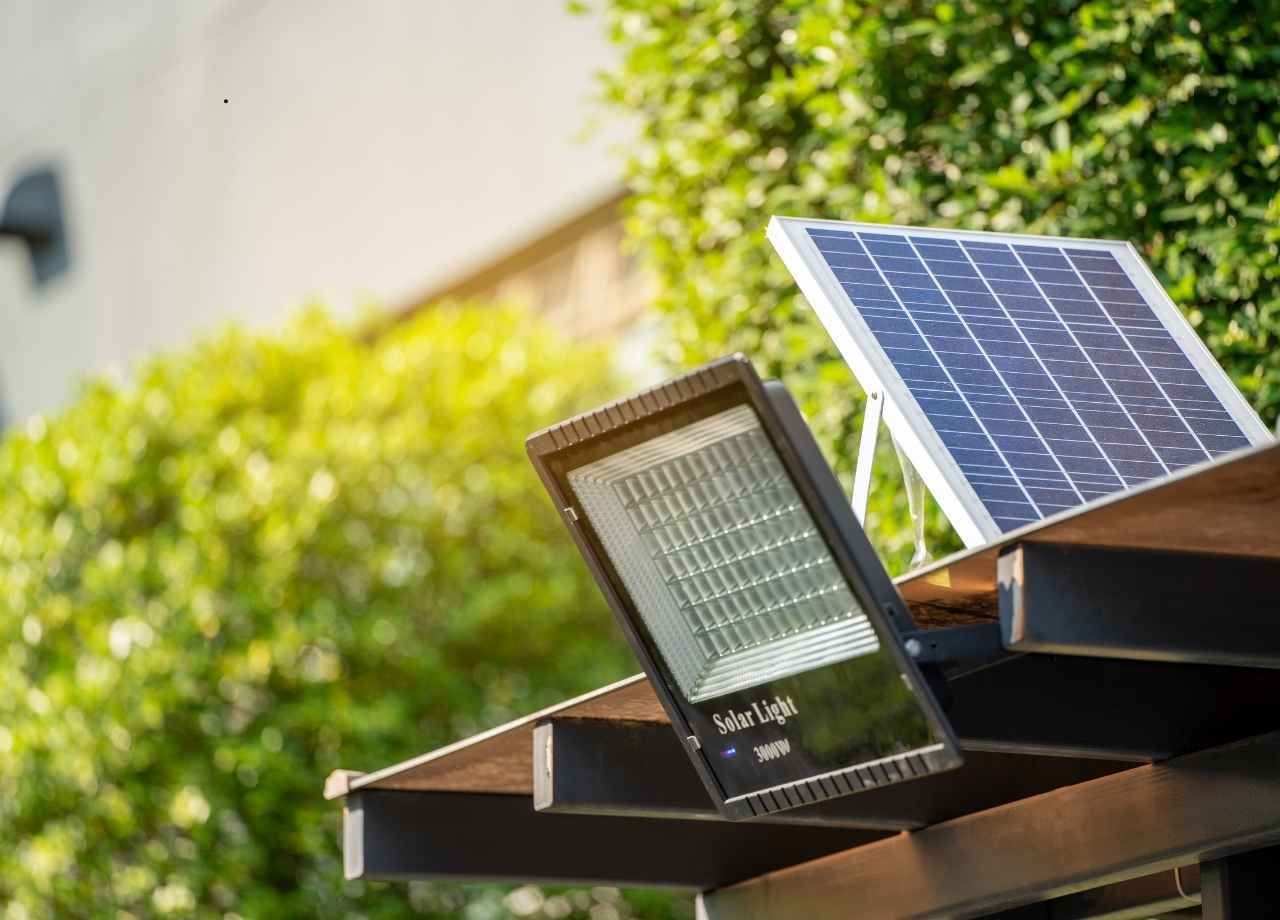
Solar driveway lights can be useful where installing electrical wiring would be difficult or disruptive. They collect energy during daylight hours and operate after sunset using stored power. Their suitability depends on sunlight exposure, battery capacity, fixture quality, and seasonal weather conditions.
Shaded driveways, tree-covered entrances, and locations with limited direct sunlight may experience inconsistent performance. Solar fixtures should be evaluated by their actual light output and operating duration rather than appearance or advertised brightness alone. For homeowners seeking dependable, coordinated illumination across larger properties, a wired low-voltage LED system may provide greater consistency.
Important Design Considerations for Driveway Lighting
Fixture placement is only one part of a successful driveway lighting installation. Brightness, beam direction, color temperature, electrical protection, and operating controls all affect the final result. The Illuminating Engineering Society and DarkSky International recommend responsible outdoor lighting that is useful, targeted, low-level, controlled, and warm-colored. These principles help reduce glare, unnecessary energy consumption, and light pollution.
For most residential applications, 2700K to 3000K LEDs are a sensible starting point. Select output according to the task and surface conditions rather than choosing the brightest available fixture. Fully shielded products help direct illumination toward the driveway instead of neighboring windows or the night sky.
Outdoor fixtures should have appropriate wet-location ratings, weather-resistant construction, and installation specifications suited to their position. Low-voltage landscape systems require correctly sized transformers, suitable cable, proper connections, and attention to voltage drop across longer runs. Electrical installations should follow applicable local codes and manufacturer requirements.
A nighttime inspection is also essential. View the driveway from the street, garage, pedestrian route, and driver's position. Look for exposed light sources, uneven brightness, dark transitions, and light spilling beyond the property.
Create a Driveway That Looks Better After Dark
The best driveway lighting designs combine practical visibility with architectural character. Carefully positioned path lights, recessed fixtures, landscape accents, wall-mounted lights, and smart controls can make a driveway easier to navigate while giving the property a polished nighttime appearance.
Start by identifying the areas that need illumination, then select fixtures that complement the driveway's shape, materials, and surrounding architecture. A thoughtfully planned LED lighting system can provide dependable performance, controlled brightness, and lower energy consumption for years to come.