Outdoor Light Fixtures Placement: Designing a Balanced Nighttime Landscape
Outdoor lighting changes the way a property feels after sunset. Good placement turns a dark yard into a welcoming, functional extension of the home. Poor placement creates glare, uneven shadows, and wasted energy. Experienced lighting designers approach fixture placement as a blend of technical planning and visual composition rather than simply adding lights wherever darkness appears.
Outdoor lighting professionals evaluate architecture, landscape layout, walking paths, viewing angles, and nighttime safety before selecting fixture locations. A thoughtful design creates layers of light that guide movement, highlight key features, and maintain visual comfort.
Aloha Outdoor Lighting regularly helps homeowners solve placement challenges through customized lighting layouts that match the architecture and landscape of each property. Many of the principles discussed here reflect the same professional methods used during a full outdoor lighting design.
Understanding the Purpose of Each Lighting Zone
Successful outdoor lighting begins with identifying how different areas of the property are used after dark. A front entrance requires clear visibility and a welcoming atmosphere. Walkways require safe navigation.
Trees and landscape features benefit from accent lighting that adds depth and character.
Every fixture should serve a purpose. Flooding the entire yard with bright light creates flat, unattractive illumination that eliminates shadows and visual interest. Professional designers aim for contrast and balance.
Three primary lighting zones guide most outdoor lighting layouts: safety lighting, task lighting, and accent lighting. Safety lighting supports movement across paths, steps, and driveways. Task lighting supports functional areas such as outdoor kitchens or patios. Accent lighting highlights landscape features, architectural details, or focal points like trees and fountains.
Placement decisions depend on understanding which of these zones applies to each area of the property. That clarity prevents over-lighting and helps the landscape maintain a natural nighttime appearance.
Front Entrance Lighting Placement
A home's entryway serves as the visual anchor of the property at night. Lighting placement should make the door easy to locate while maintaining comfortable brightness levels.
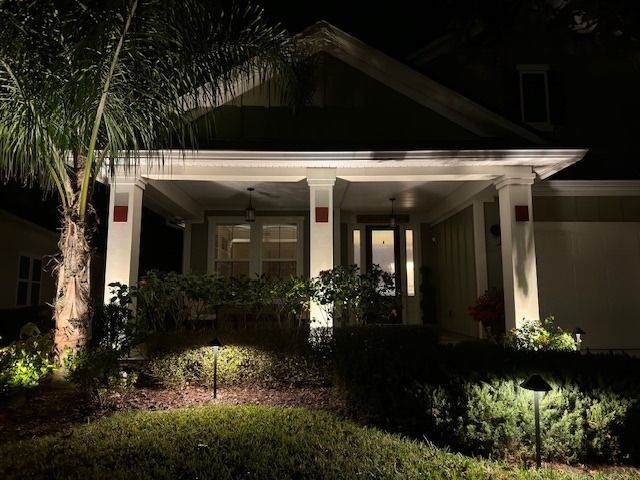
Wall-mounted fixtures on each side of the front door remain the most reliable approach for balanced illumination. Fixtures mounted at eye level prevent harsh shadows on faces and provide welcoming light for guests arriving after dark. Mounting height typically falls between 60 and 66 inches from the floor of the porch.
Properties with wider entrances often benefit from additional lighting placed slightly farther out along the facade. That arrangement widens the illuminated area and highlights architectural details such as columns or stonework.
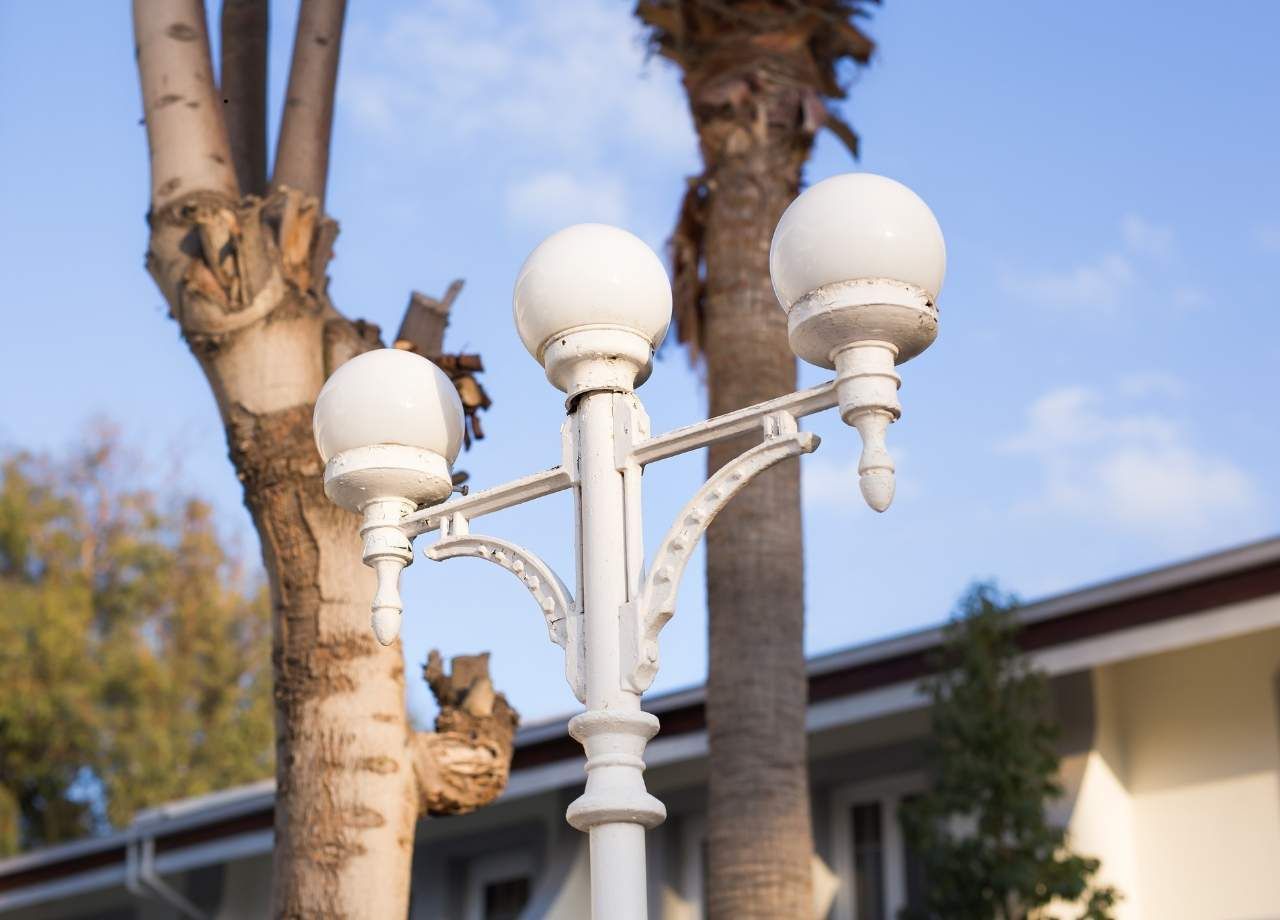
Overhead porch lighting also requires careful placement. Fixtures installed too high create harsh downward glare. Fixtures installed too low block sightlines. Pendant or flush mount fixtures centered above the entry typically provide the most comfortable coverage.
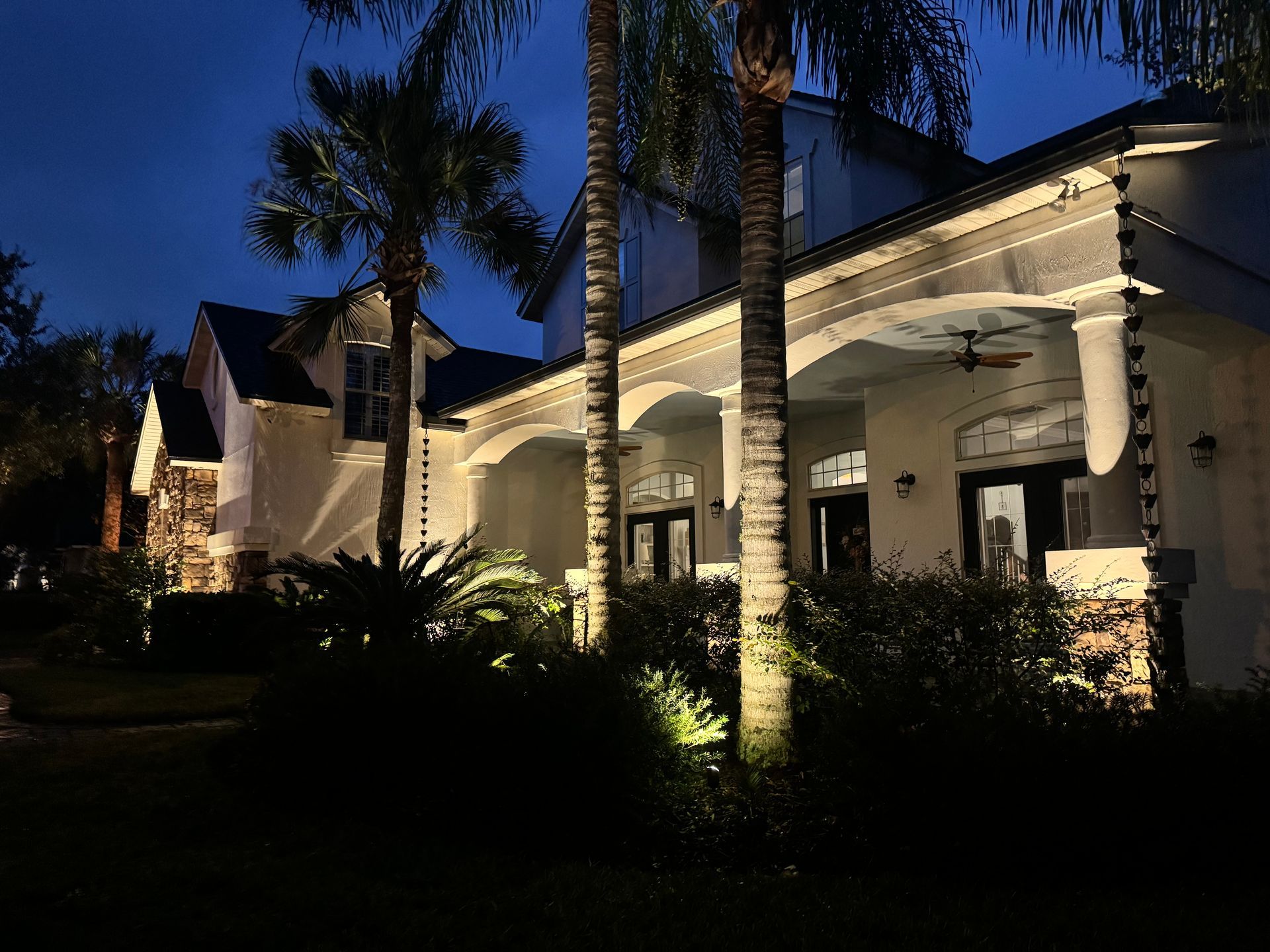
Outdoor lighting designers frequently supplement entry lighting with landscape uplights placed several feet away from the structure. Those fixtures illuminate nearby trees or architectural textures, giving the entry area more depth and visual warmth.
Pathway Lighting Placement
Walkways represent one of the most common areas where fixture placement mistakes occur. Homeowners often place lights evenly on both sides of the path. That pattern produces runway-style lighting that looks artificial and overly bright.
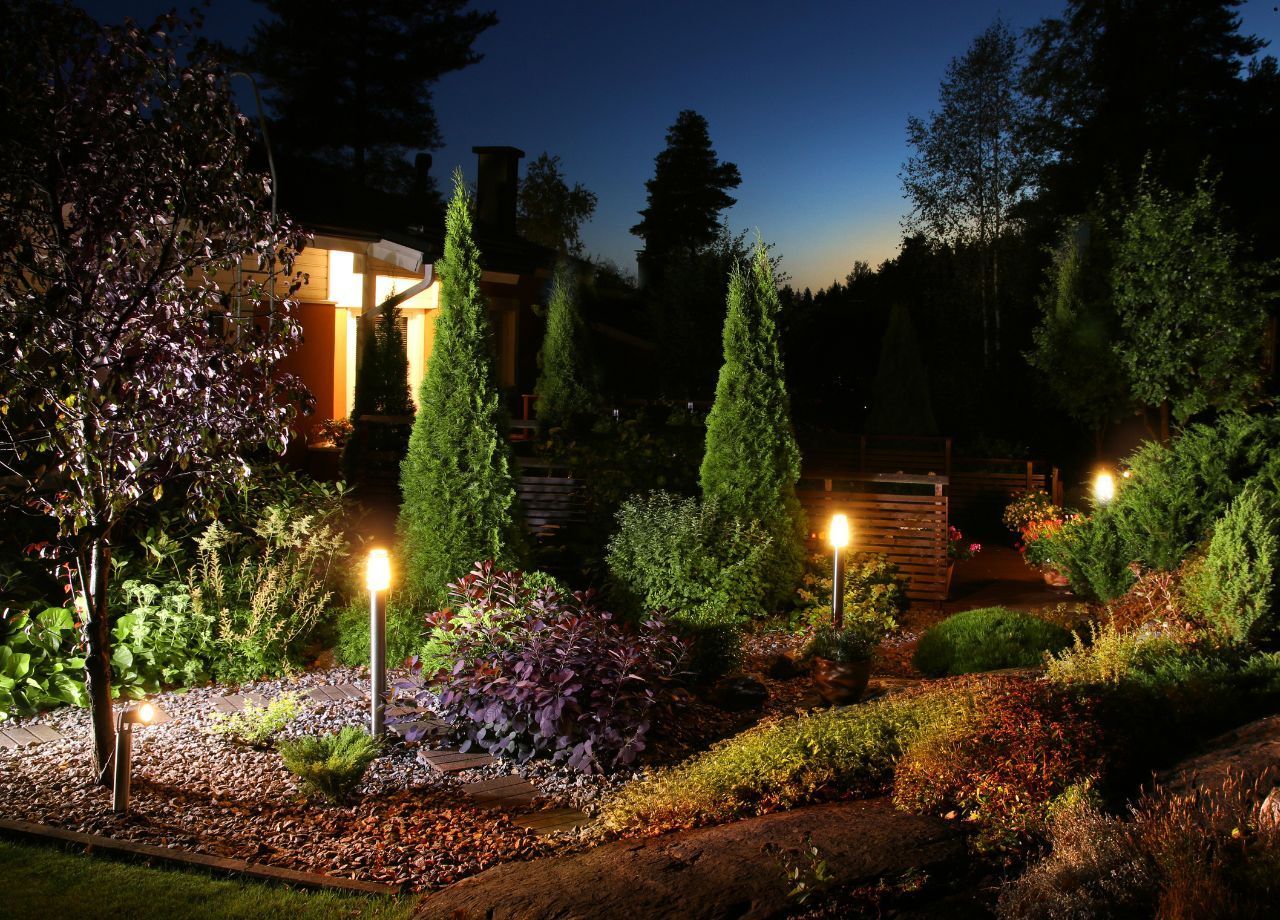
A staggered layout provides a far more natural appearance. Fixtures alternate from one side of the path to the other rather than lining up symmetrically. That arrangement creates gentle overlapping pools of light that guide movement without drawing attention to the fixtures themselves.
Spacing between pathway lights generally ranges from 6 to 10 feet depending on fixture brightness and beam spread. Narrow beams require closer spacing. Wide beam fixtures allow more distance between lights.
Fixture height also affects performance. Most pathway fixtures stand between 18 and 24 inches tall. Taller fixtures increase light coverage but can introduce glare. Lower fixtures provide softer illumination that blends into the landscape.
Corners, intersections, and step transitions deserve extra attention. Additional lighting placed slightly closer together ensures those areas remain clearly visible at night.
Tree and Landscape Accent Lighting Placement
Trees serve as powerful focal points for nighttime landscapes. Proper uplight placement highlights trunk texture, branch structure, and canopy shape without creating harsh shadows.
Fixture distance from the tree base depends on tree height and canopy width. Smaller ornamental trees typically require fixtures placed 12 to 24 inches from the trunk. Larger trees may require placement several feet away to spread light across the canopy.
Multiple fixtures sometimes produce the most natural results. Two lights placed on opposite sides of a large tree create balanced illumination and reduce harsh shadowing.
Angle control matters just as much as distance. Fixtures should aim upward through the branches rather than straight up the trunk. That approach creates a layered glow through the foliage.
Shrubs and layered planting beds benefit from softer grazing light. Fixtures positioned slightly behind the plants can create gentle silhouettes that add depth to the landscape design.
Architectural Lighting Placement
Architectural lighting emphasizes the structure of the home itself. Stone walls, columns, gables, and textured surfaces respond well to carefully placed uplights or downlights.
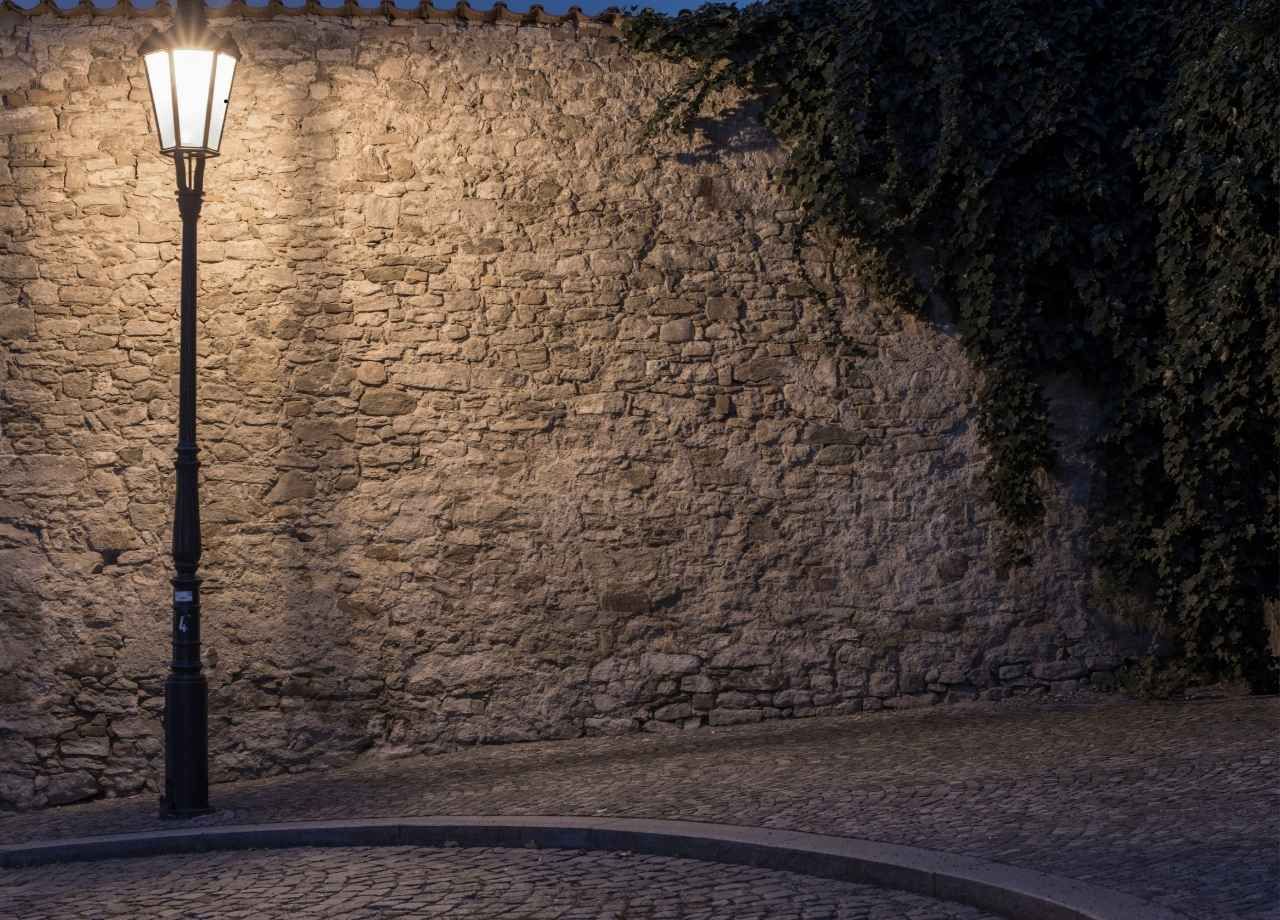
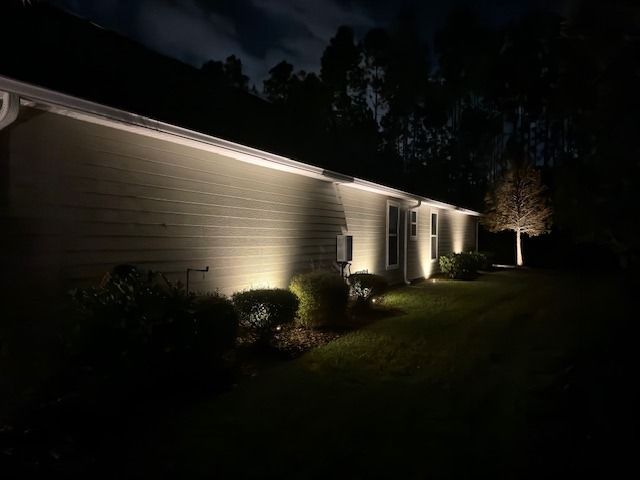
Uplights placed close to the foundation wash light upward across the wall surface. That technique works particularly well on stone, brick, and stucco surfaces where shadows enhance texture. Smooth siding often benefits from wider beam spreads placed slightly farther from the wall.
Column lighting requires careful balance. Fixtures placed too close create harsh hot spots. Positioning fixtures 12 to 18 inches from the base of the column usually produces even illumination.
Roofline lighting sometimes uses downlights mounted beneath eaves or soffits. Those fixtures cast soft light downward across entry areas, walkways, or landscaping below.
Architectural lighting should remain subtle. Excessive brightness can overpower the natural beauty of the home and surrounding landscape.
Driveway and Garage Lighting Placement
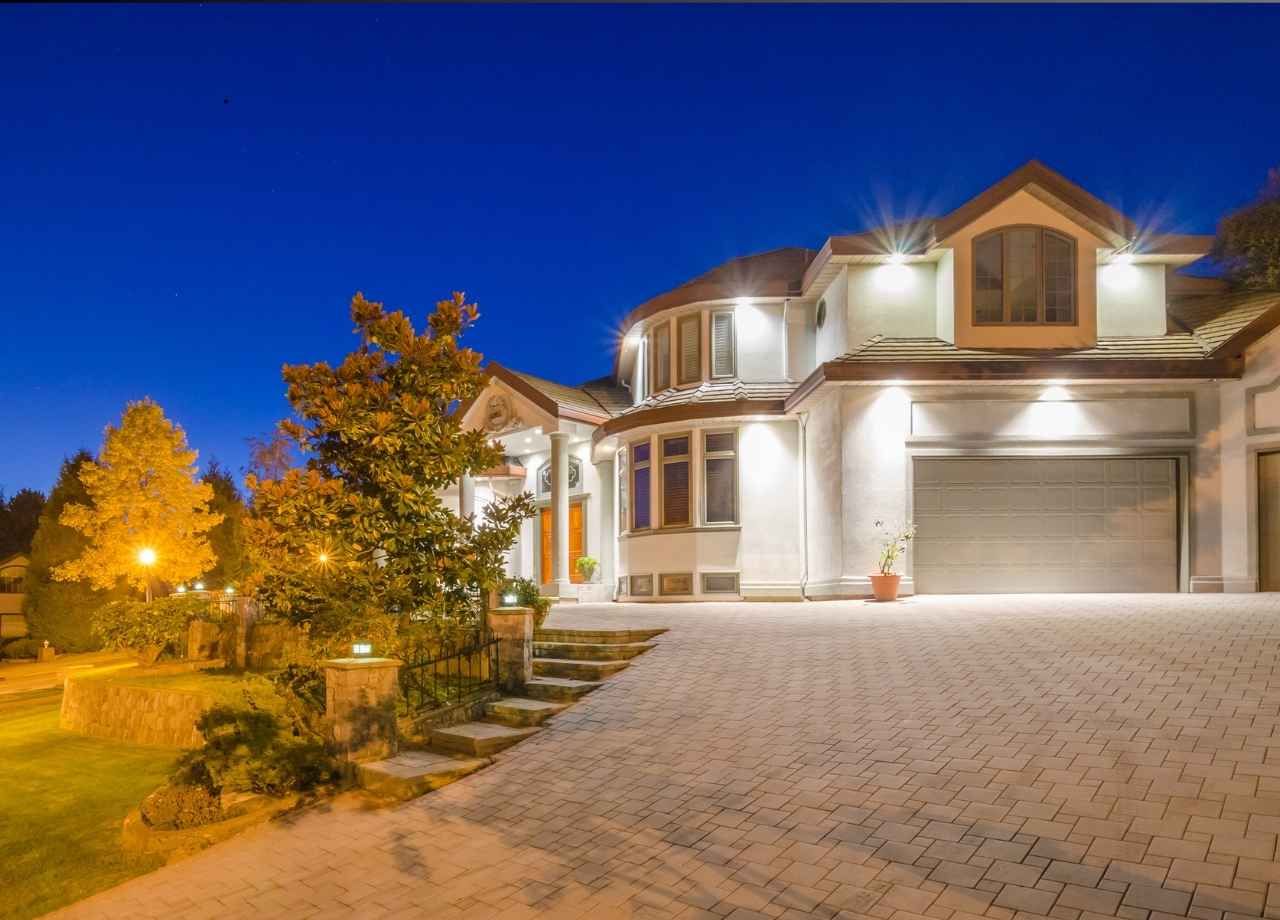
Driveways require visibility without creating glare for drivers or neighbors. Wall-mounted fixtures near garage doors provide reliable illumination while maintaining visual balance with the rest of the home.
A pair of fixtures mounted on either side of a double garage door often produces the best visual symmetry. Single garage doors may require just one fixture mounted on the side closest to the driveway approach.
Placement height should remain slightly above eye level to reduce glare. Fixtures positioned between 66 and 72 inches from the ground typically perform well.
Long driveways sometimes benefit from low landscape lighting along curves or transitions. Small path lights spaced widely apart guide vehicles without turning the driveway into an overly bright corridor.
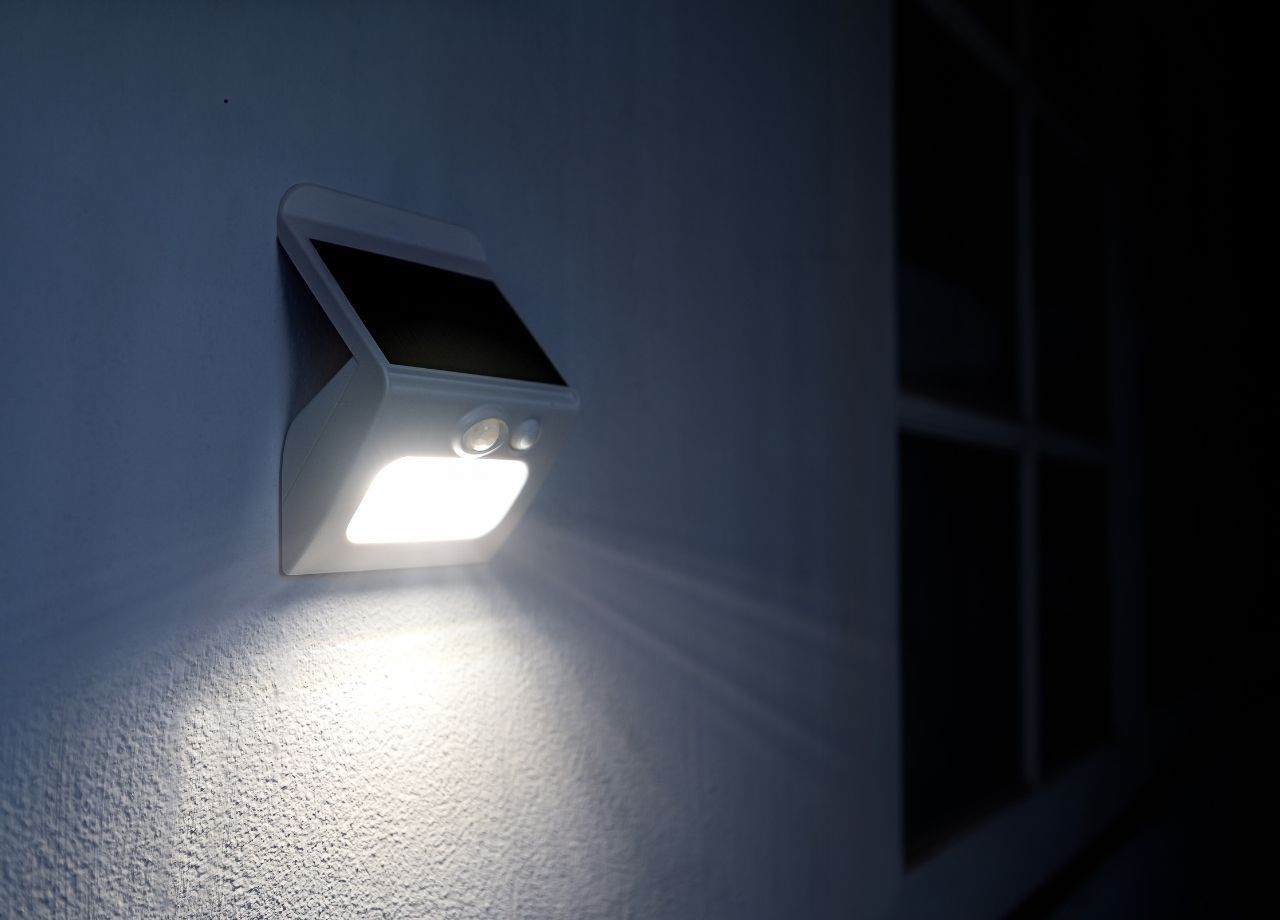
Motion sensors can enhance security lighting for garage areas. Placement should aim the detection zone toward the driveway approach rather than across the entire yard.
Patio and Outdoor Living Area Lighting Placement
Outdoor living spaces require comfortable, layered lighting that supports relaxation, dining, and social gatherings. Lighting placed directly overhead often creates harsh shadows across faces and tabletops.
Indirect lighting works far better in these areas. Downlights installed under pergolas or soffits provide gentle ambient light that spreads across the seating area. Beam spreads should remain wide enough to avoid harsh spotlight effects.
Step lights built into retaining walls or stair risers improve safety while maintaining a clean visual appearance. Placement should aim light downward across the step surface rather than outward into the seating area.
Landscape lighting around patios also plays an important role. Uplights placed on nearby trees or tall plants create a soft perimeter glow that visually expands the outdoor room.
Fire features, water features, and garden sculptures often become focal points near patios. Accent lighting placed several feet away from these features produces dramatic nighttime views from the seating area.
Avoiding Common Fixture Placement Mistakes
Outdoor lighting designs fail most often due to excessive brightness, poor spacing, or poorly aimed fixtures. Glare represents one of the biggest problems. Light shining directly into the eyes reduces visibility and ruins the nighttime experience.
Shielded fixtures help direct light toward the intended surface while hiding the bulb from view. Proper aiming also plays a large role. Slight adjustments in fixture angle can dramatically change the visual result.
Over-lighting another common issue. Outdoor spaces should feel calm and balanced rather than brightly illuminated like a parking lot. Darkness between illuminated areas helps maintain visual depth.
Fixture prevention from salt air also deserves attention during placement planning. Lights buried in dense plants may become difficult to service later. Designers often leave enough access space for adjustments and cleaning.
Designing a Cohesive Lighting Layout
Outdoor lighting placement should work as a connected system rather than a scattered group of fixtures. A balanced layout helps the eye move naturally across the property while creating a comfortable nighttime atmosphere. Path lights, architectural lighting, and landscape accents should blend together so no single area feels overly bright or disconnected.
Experienced lighting designers often evaluate the property after sunset during the planning stage. Darkness reveals natural shadow patterns and areas where subtle lighting can create strong visual impact. Careful placement allows each fixture to support safety, highlight landscaping, and give the entire property a polished appearance at night.