Tree-Mounted Lights: How to Illuminate Trees for Beautiful, Functional Outdoor Spaces
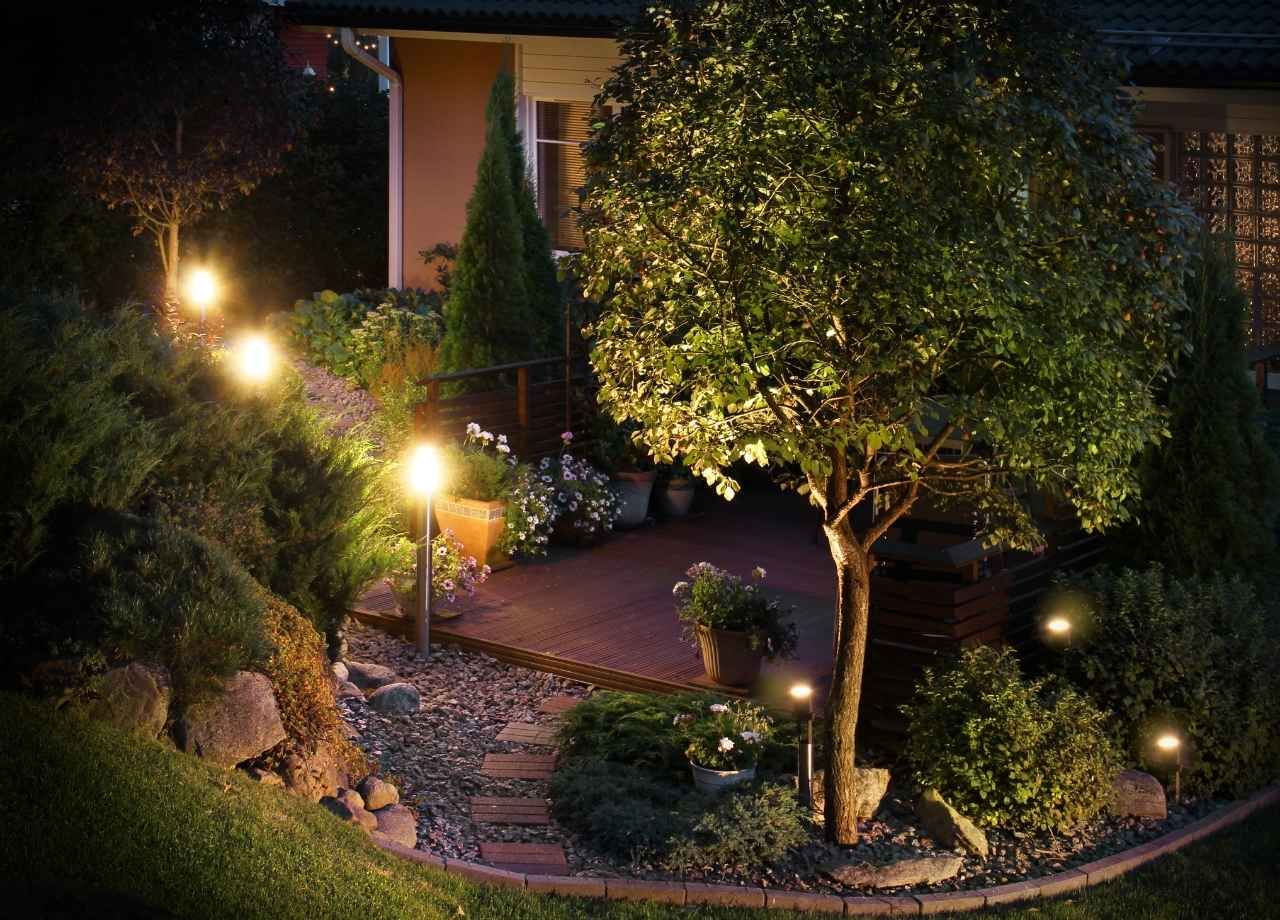
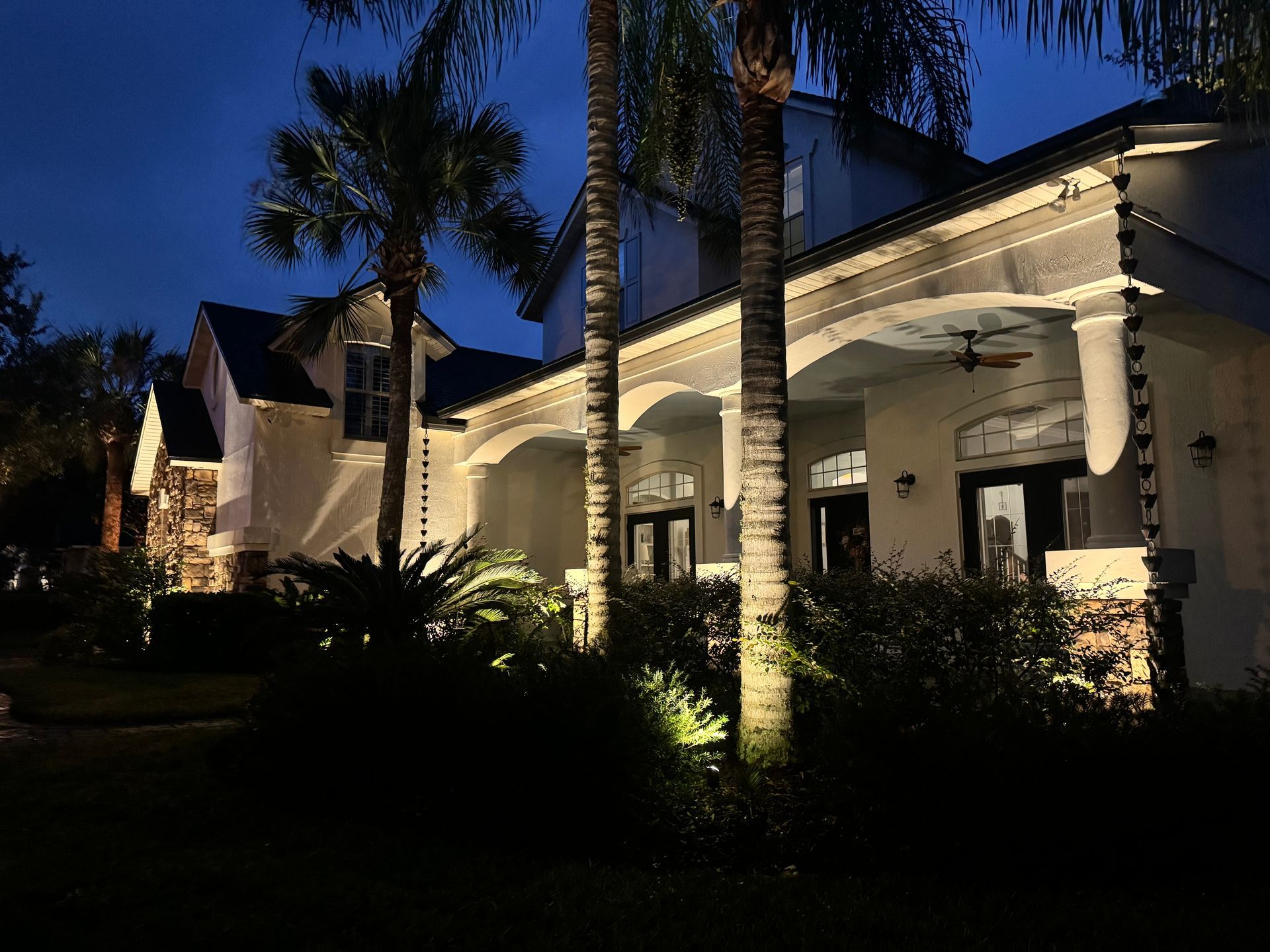
Tree-mounted lights offer a distinctive way to bring depth, character, and practical illumination to an outdoor landscape. By positioning lighting fixtures directly on a tree's trunk or sturdy branches, homeowners can highlight architectural features, illuminate outdoor living areas, and create attractive nighttime views without relying entirely on ground-level fixtures. This approach works particularly well with mature trees that have established branching structures and enough height to distribute light across a wider area.
For homeowners considering a professionally designed landscape lighting system, Aloha Outdoor Lighting in Jacksonville, FL, provides customized tree-mounted and architectural lighting solutions that complement the property's existing landscape.
A successful installation requires more than attaching a fixture to a convenient branch. Tree health, mounting hardware, fixture selection, wiring, beam direction, and long-term maintenance all influence the finished result. Understanding these details helps homeowners achieve attractive illumination without compromising the trees that make their outdoor spaces special.
What Are Tree-Mounted Lights and How Do They Work?
Tree-mounted lights are outdoor lighting fixtures secured to a tree's trunk or substantial branches using specialized mounting hardware. Unlike conventional landscape lights positioned in the ground, these fixtures provide an elevated lighting position that can illuminate areas from above.
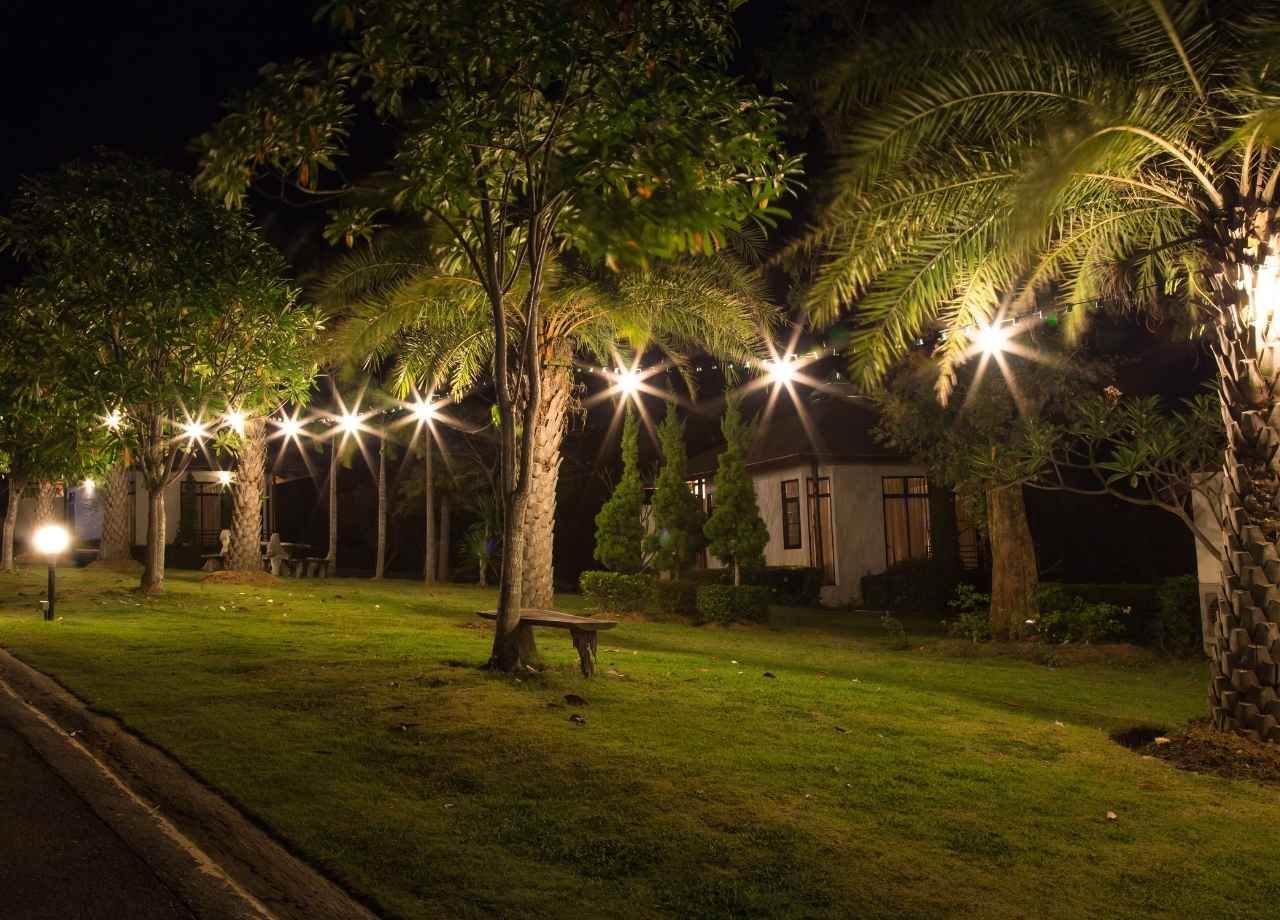
The most common application involves mounting downward-facing fixtures within the canopy. This technique is often called moonlighting because the illumination resembles natural moonlight filtering through branches. Light travels downward through the foliage, creating soft patterns across lawns, patios, walkways, and garden beds.
Upward facing fixtures can also be mounted within suitable tree structures to highlight the canopy, surrounding foliage, or architectural features. The appropriate direction depends on the tree's shape, the intended viewing angles, and the areas requiring illumination.
Tree-mounted lighting is particularly effective when ground-level fixtures cannot provide the desired coverage. Elevated fixtures can distribute light over larger areas, reduce visible equipment around landscaping, and create a more natural appearance.
Choosing the Right Trees for Mounted Lighting
Not every tree is suitable for mounted lighting. The best candidates generally have healthy trunks, stable structural branches, and enough canopy development to accommodate fixtures without interfering with normal growth.
Mature live oaks are particularly attractive candidates for this technique. Their substantial limbs and spreading canopies create excellent opportunities for downward illumination. Properly positioned fixtures can cast soft light across lawns, seating areas, and outdoor entertainment spaces.
Maples, magnolias, and other established ornamental trees can also work well, depending on their structure and condition. Trees with attractive branching patterns often produce especially appealing nighttime effects because light can reveal their natural shape.
Tree health should always come before lighting placement. Trees showing significant decay, damaged limbs, unstable branch unions, or other structural concerns should receive an assessment from a qualified arborist before installation. Fixtures should never be used to support a tree's weight or compensate for weak branches.
Young trees also require additional consideration. Their trunks and branches are still developing, making permanent mounting arrangements particularly important to evaluate carefully.
Understanding Tree-Mounted Lighting Fixtures and Hardware
Selecting appropriate fixtures is essential for dependable performance. Outdoor-rated LED fixtures are widely used for permanent landscape lighting because they provide efficient illumination, long service life, and relatively low operating costs.
Low-voltage LED systems are particularly popular for residential landscape applications. These systems commonly operate at 12 volts and use a transformer to convert standard household electrical power into the required low-voltage supply.
Fixture construction matters just as much as the light source. Look for corrosion-resistant materials, durable finishes, quality lenses, and weather-resistant electrical connections. Outdoor fixtures should carry appropriate safety listings and be installed according to manufacturer specifications.

Specialized tree-mount brackets and junction boxes provide a secure mounting point while maintaining clearance between the fixture and the tree. Stand-off mounting systems are designed to accommodate additional tree growth and reduce the likelihood of hardware becoming embedded in expanding wood.
The mounting arrangement must allow room for future growth. Some manufacturer instructions recommend approximately two inches of clearance where practical, although the correct spacing depends on the hardware and installation design.
Avoid fastening fixtures with improvised straps, tightly wrapped wire, or hardware that restricts the trunk or branch. Installation methods must protect the tree's living tissue and allow natural movement.
Protecting Tree Health During Installation
Tree-mounted lighting requires careful installation practices. A tree continues growing after the lighting system is installed, and mounting hardware that initially appears harmless can become restrictive if nobody checks it over time.
Fixtures should be attached using purpose-designed hardware that maintains appropriate clearance from the bark. Wiring should follow the least visible side of the trunk and be secured with suitable attachments that accommodate movement and growth.
Cable routing deserves particular attention. Wires should never be pulled tightly against the tree or placed where they can rub repeatedly against vulnerable bark. Service loops and suitable slack provide room for movement, temperature-related cable changes, and future maintenance.
Avoid drilling unnecessary holes or attaching equipment to questionable branches. Any penetration into living wood should be limited to an approved mounting method selected for the specific fixture and tree. An arborist can help determine whether a particular tree can accommodate the proposed installation.
Tree-mounted lighting also requires regular inspections. Hardware may need adjustment as the trunk expands, branches move, and seasonal growth changes the available clearance. A yearly inspection is a sensible minimum for permanent installations, with additional checks after severe weather or noticeable changes in tree condition.
Designing the Right Lighting Effect
The position of a fixture determines how the tree and surrounding landscape appear after sunset. Successful designs consider the tree's height, canopy density, branch arrangement, and the areas people use after dark.
Downlighting is one of the most versatile techniques. Fixtures mounted high within the canopy direct illumination toward the ground, producing soft shadows and a comfortable atmosphere. This approach works particularly well over patios, garden seating areas, and outdoor dining spaces.
The beam angle should match the area being illuminated. Narrow beams concentrate light on smaller features, whereas wider distributions cover larger sections of the landscape. An excessively narrow beam may create isolated bright spots, and an overly wide beam can spill onto neighboring properties or windows.
Fixture placement also affects glare. Position lights so the source remains concealed from common viewing angles. The goal is to see the illuminated landscape rather than stare directly into the fixture.
Layering tree-mounted lights with ground-level accent lighting can produce a more balanced result. Ground-mounted fixtures can reveal trunk texture, while elevated fixtures illuminate the canopy and surrounding ground. Carefully coordinated lighting creates visual depth without making the landscape excessively bright.
Selecting Color Temperature and Brightness
Color temperature has a significant effect on how trees look at night. Warm white lighting between 2700K and 3000K generally produces an inviting appearance that complements natural bark, foliage, stone, and wood.
Lower color temperatures can create a softer, warmer atmosphere, particularly around traditional architecture and established gardens. Cooler lighting may emphasize certain contemporary landscape designs, but it can make natural materials appear less inviting when used excessively.
Brightness should be selected according to the tree's size and the surrounding environment. A large spreading oak may require several carefully positioned fixtures to distribute illumination evenly. A smaller ornamental tree may need only one appropriately selected fixture.
Avoid assuming that higher wattage automatically produces better results. LED performance is better evaluated through lumen output, beam distribution, optics, and the distance between the fixture and its target.
Good lighting preserves natural shadows. Leaving portions of the canopy darker helps maintain the tree's shape and prevents the landscape from looking artificially illuminated.
Electrical Safety and Weather Protection
Tree-mounted fixtures operate outdoors, where moisture, temperature changes, insects, and physical movement can affect electrical components. Every part of the installation must be suitable for its exposure conditions.
Outdoor-rated fixtures, connectors, cables, and junction boxes should be selected for the application. Electrical connections need appropriate protection against moisture, and equipment must follow the manufacturer's installation requirements.
Low-voltage wiring should be sized according to the system's electrical load and cable length. Excessive voltage drop can reduce fixture performance, creating noticeable differences in brightness across the installation.
The transformer should have sufficient capacity for the connected fixtures, with additional capacity considered when future expansion is planned. Appropriate circuit protection and grounding must follow applicable electrical codes and manufacturer instructions.
Avoid routing cables where lawn equipment, pruning operations, or regular landscape maintenance could damage them. Connections should remain accessible for inspection and servicing.
Tree work also presents physical hazards. Reaching high branches with household ladders is dangerous, particularly on uneven ground. Professional installers use suitable access equipment and established safety procedures when working at height.
Tree-Mounted Lights and Jacksonville's Outdoor Environment
Jacksonville's climate creates specific considerations for permanent outdoor lighting. High humidity, frequent rainfall, intense summer heat, and occasional severe storms can place additional demands on landscape lighting equipment.
Corrosion-resistant fixture materials and properly protected connections are valuable in these conditions. Hardware should be checked periodically for deterioration, and electrical components should be inspected after significant weather events.
Live oaks are a familiar feature throughout Northeast Florida and often provide excellent opportunities for elevated lighting. Their broad canopies can create beautiful patterns across lawns and outdoor living areas. However, mature trees may also have substantial branch movement during storms, making secure mounting and appropriate cable clearance essential.
Landscape maintenance schedules should account for lighting equipment. Pruning, canopy thinning, and storm cleanup can affect fixture positioning and wiring. A lighting inspection after significant tree work helps identify displaced fixtures, damaged cables, or mounting problems.
Light output should also respect neighboring properties and local wildlife. Warm-colored LEDs, controlled beam direction, and reasonable operating schedules help limit unnecessary nighttime illumination.
Maintaining Tree-Mounted Lighting for Long-Term Performance
Permanent tree-mounted lighting should be treated as part of the property's ongoing landscape maintenance program. Even high-quality fixtures need occasional attention to maintain their appearance and performance.
Inspect mounting hardware for adequate clearance, corrosion, and signs of movement. Check wiring for damaged insulation, loose attachments, and contact with growing branches. Fixtures should also be checked for water intrusion, dirt accumulation, and changes in beam direction.
Tree growth may gradually alter the relationship between a fixture and its target. A light that originally illuminated a patio perfectly may eventually become partially blocked by new branches. Periodic adjustments help maintain the intended lighting effect.
After pruning, inspect the canopy to determine whether fixture positions or beam angles need adjustment. Damaged branches should never be left supporting lighting equipment, and any electrical repairs should be handled by a qualified professional.
LED fixtures generally require less frequent lamp replacement than traditional lighting systems, but their drivers, connectors, and mounting components still need attention. Keeping installation records, including fixture locations and electrical specifications, can make future servicing easier.
Creating a Landscape That Looks Beautiful After Dark
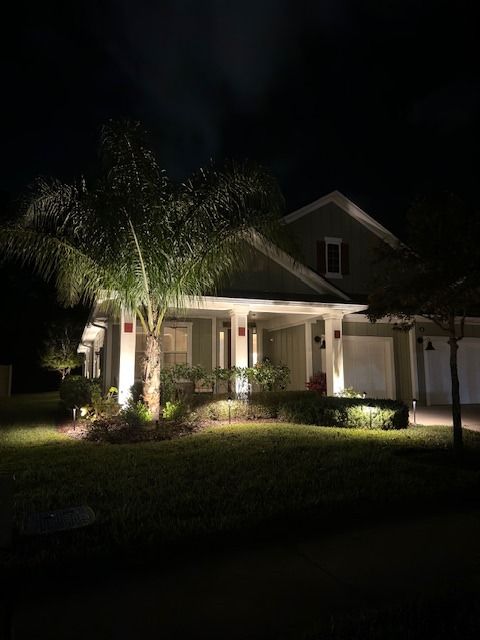
Tree-mounted lights can change how an outdoor property feels after sunset. Properly positioned fixtures reveal the natural structure of mature trees, illuminate useful outdoor areas, and add depth to the surrounding landscape.
The best installations begin with healthy tree selection, suitable mounting equipment, carefully planned wiring, and appropriate LED optics. Attention to growth clearance and routine inspections helps protect the tree and preserve lighting performance over the years.
A thoughtfully designed system should complement the property's architecture and existing landscape rather than overpower either one. When fixture placement, brightness, and color temperature work together, tree-mounted lighting becomes a lasting feature that adds beauty, visibility, and usability to outdoor spaces.