Common Landscape Lighting Mistakes That Can Ruin Your Outdoor Lighting Design
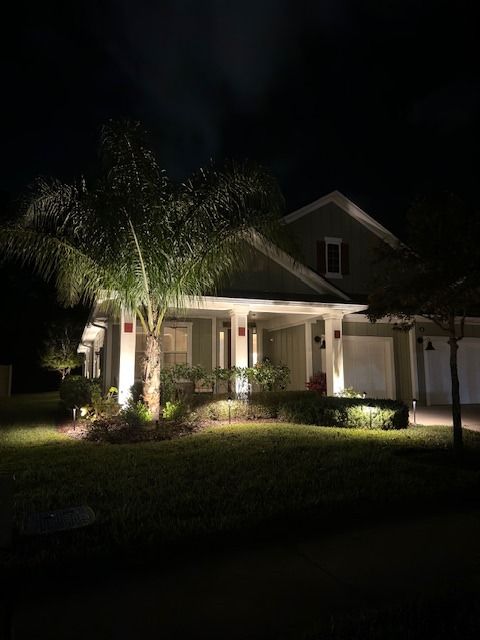
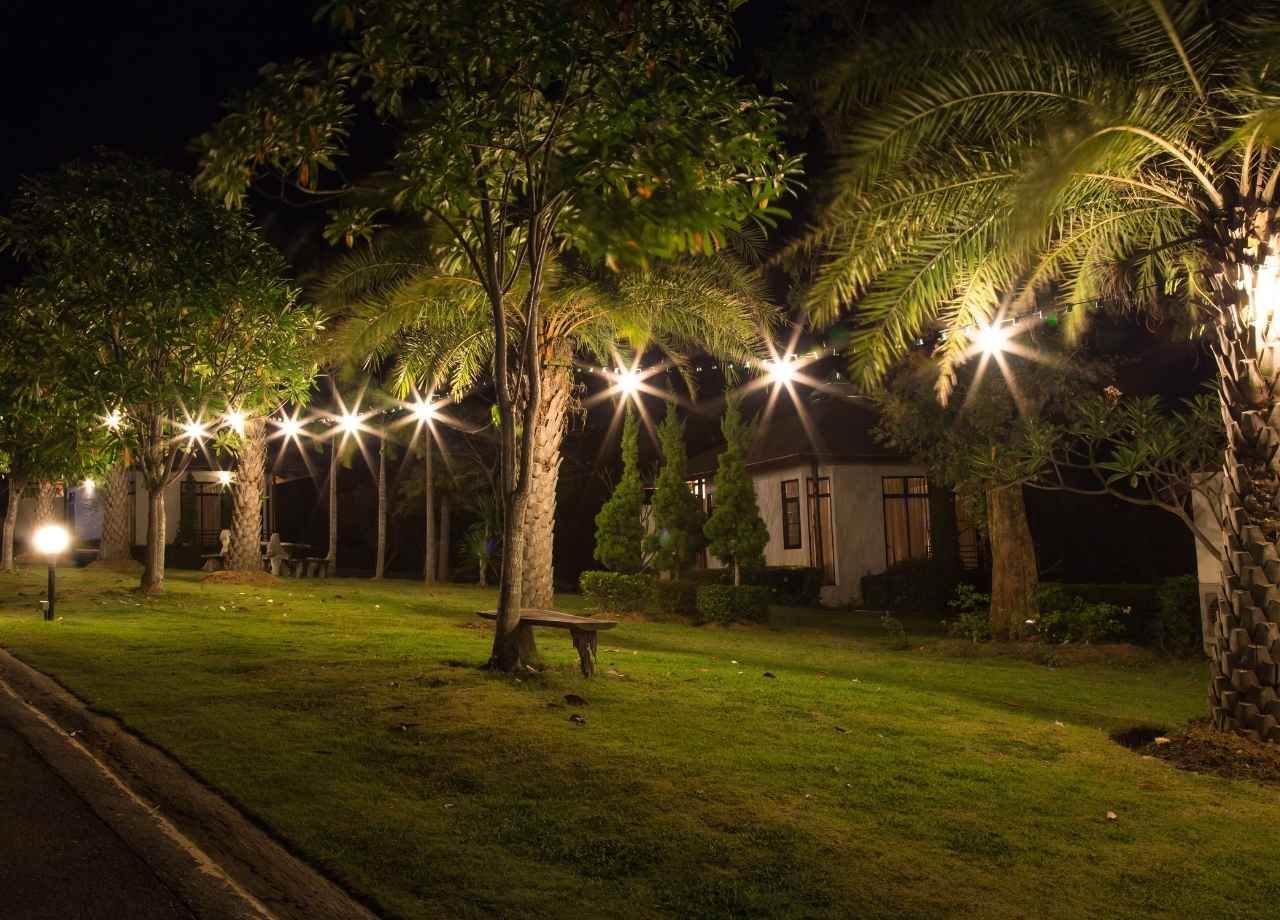
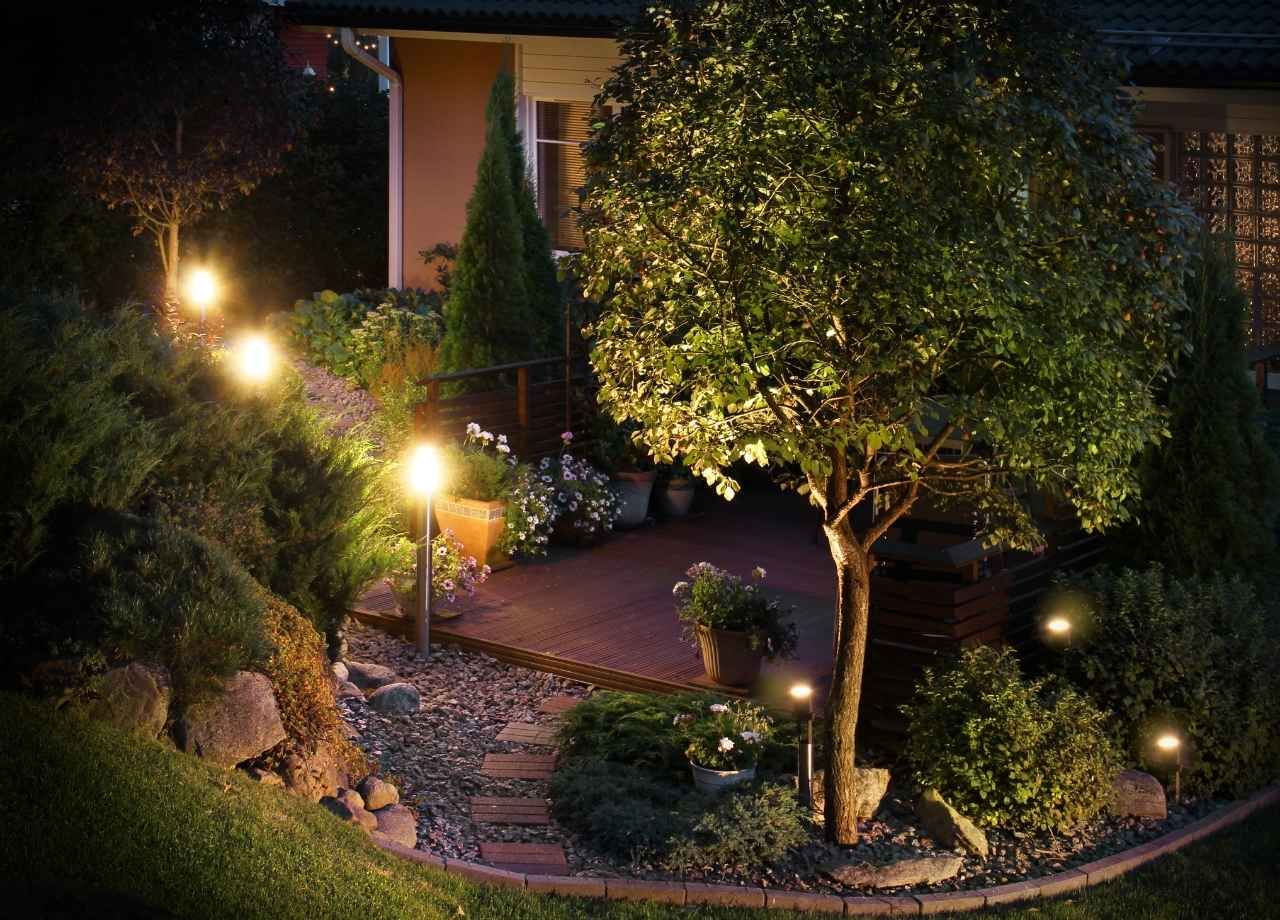
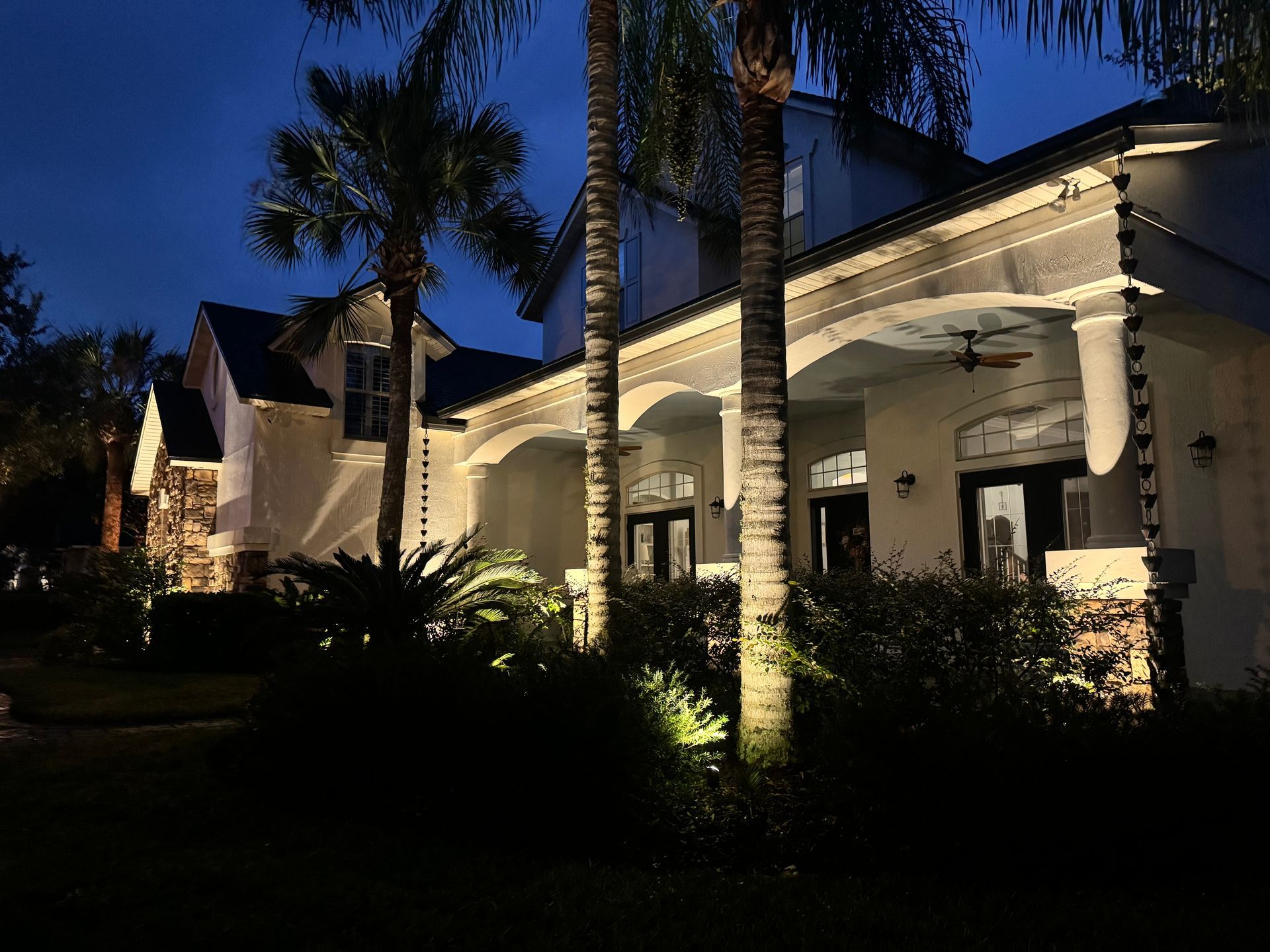
Landscape lighting can dramatically change the appearance, usability, and safety of an outdoor space after sunset. A well-designed system brings out architectural details, highlights mature trees, defines walkways, and creates comfortable spaces for outdoor gatherings. However, even quality fixtures can produce disappointing results when placement, brightness, wiring, or lighting techniques are poorly planned.
Many homeowners invest in outdoor lighting without considering how individual fixtures work together. The result can be harsh illumination, dark patches, uneven brightness, unnecessary energy consumption, or lights that become hidden by growing plants. A successful installation requires more than choosing attractive fixtures and connecting them to a transformer.
At
Aloha Outdoor Lighting, our customized landscape lighting solutions address these details through thoughtful fixture selection, professional installation, and carefully planned illumination. Understanding the following mistakes can help homeowners make better decisions and get more value from their outdoor lighting systems.
1. Installing Too Many Lights Across the Landscape
Overlighting is one of the most common problems in residential landscape lighting. Homeowners sometimes assume that adding more fixtures will create a brighter, safer, and more attractive property.
However, excessive illumination can make an outdoor space look flat, distracting, and uncomfortable.
When every tree, shrub, pathway, garden bed, and architectural feature receives equal attention, the landscape loses its natural visual hierarchy. Nothing stands out because everything competes for attention. Closely spaced path lights can also create overlapping pools of light that make walkways appear excessively bright.
A better approach involves identifying the property's most important features and deciding which areas actually require illumination. A mature oak tree, an architectural column, or a textured stone wall may deserve focused attention, while surrounding areas can remain softly illuminated. Leaving some areas darker creates contrast and gives the overall design greater depth.
The objective is to use the lowest practical light output that achieves the desired result. More fixtures do not automatically produce better lighting.
2. Choosing Fixtures Without Considering Their Purpose
Different outdoor fixtures perform different jobs. Selecting products based only on appearance or price often leads to poor lighting distribution.
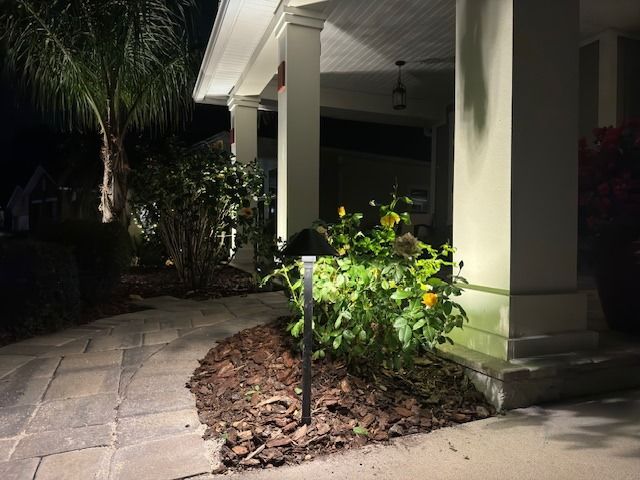
Path lights are designed to illuminate walking surfaces, while spotlights concentrate light on specific landscape features. Well lights can provide discreet uplighting, and wall washers distribute light across larger vertical surfaces. Using the wrong fixture can create glare, uneven coverage, or unwanted shadows.
Consider a narrow spotlight installed beside a wide walkway. It may produce a bright circular patch without providing enough usable illumination along the entire walking surface. Similarly, placing a high-output floodlight near a decorative tree can overwhelm its natural shape instead of highlighting its structure.
Every fixture should have a defined purpose before installation. Consider the target's height, width, texture, distance, and desired lighting effect. Beam angle, lumen output, mounting position, and shielding should all influence product selection.
Matching the fixture to the application produces more controlled, attractive results.
3. Ignoring Glare and Poor Fixture Placement
Glare can make an otherwise attractive lighting installation uncomfortable. It occurs when a light source is directly visible or produces excessive brightness against a darker surrounding environment.
This problem frequently appears when path lights are installed too high, spotlights point toward windows, or uplights are positioned where people can see the exposed LED source. A fixture may illuminate its intended target successfully but still create an unpleasant viewing experience from a patio, driveway, or neighboring property.
The solution starts with viewing the landscape from actual nighttime sightlines. Check the property from the front entrance, outdoor seating areas, bedroom windows, and nearby sidewalks. Fixtures should be positioned and shielded so their light reaches the intended surface without shining directly into people's eyes.
Adjustable fixtures, recessed light sources, glare shields, and carefully selected beam angles can improve visual comfort. Proper aiming also reduces unnecessary light spilling into surrounding areas.
Good landscape lighting should feel comfortable from every commonly occupied viewing position.
4. Using Inconsistent Color Temperatures
Color temperature has a significant influence on how an outdoor property looks at night. It is measured in Kelvin (K), with lower values producing warmer, more amber-toned light and higher values appearing cooler and whiter.
A frequent mistake is combining warm white fixtures with noticeably cooler white LEDs across the same landscape. The resulting color differences can make the installation look disconnected, particularly when several fixtures illuminate the same architectural surface or garden area.
For many residential landscapes, 2700K to 3000K provides an inviting appearance. Warm white light generally complements brick, natural stone, wood, and greenery without creating an overly commercial appearance.
Consistency matters when selecting replacement lamps and adding fixtures to an existing system. Check the color temperature of existing lighting before purchasing new products. Also consider color rendering, commonly measured through the Color Rendering Index (CRI), when accurately displaying the natural appearance of plants, stone, and exterior finishes matters.
A coordinated color temperature helps different lighting techniques feel like parts of one intentional design.
5. Overlooking Voltage Drop in Low-Voltage Systems
Low-voltage landscape lighting systems commonly use a transformer to reduce household electrical voltage to a lower operating voltage, often 12 volts. These systems offer flexibility for residential outdoor applications, but improper wiring design can cause performance problems.
Voltage drop occurs when electrical resistance along the cable reduces the voltage reaching fixtures farther from the transformer. Long cable runs, undersized wire, and excessive fixture loads can contribute to the problem.
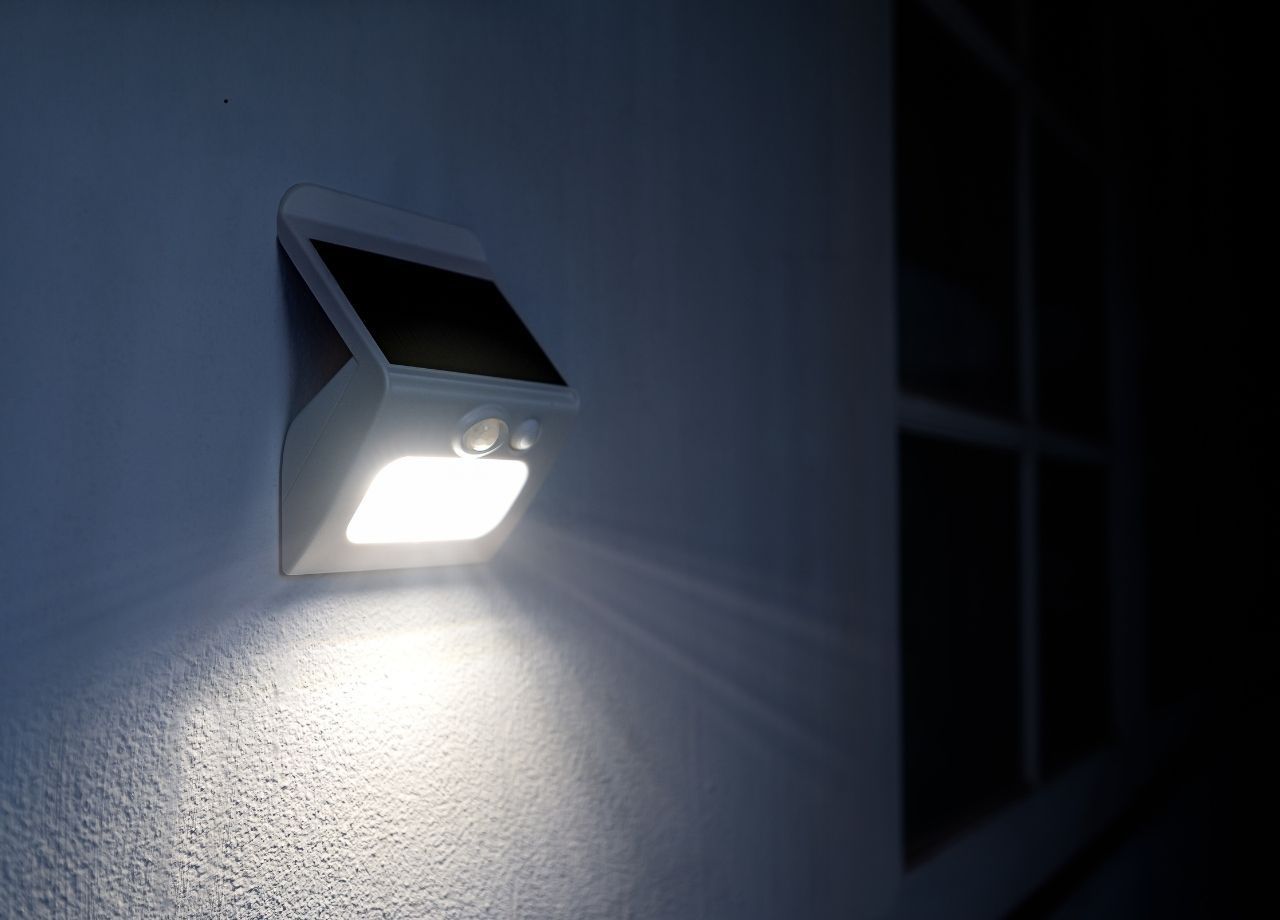
Homeowners may notice that fixtures near the transformer appear brighter than those at the end of the cable run. Certain LED products may also experience inconsistent output when operating outside their specified voltage range.
Proper system planning involves calculating the connected load, selecting appropriate wire gauge, and distributing fixtures across suitable cable runs. Larger wire, shorter runs, and alternative wiring layouts can help control voltage loss. Transformer capacity must also accommodate the connected load within the manufacturer's specifications.
A professional installation should include voltage testing at the fixtures, particularly at the farthest points of each run. Relying only on the transformer's rated output does not confirm that every fixture receives suitable operating voltage.
6. Failing to Account for Plant Growth
Landscape lighting is installed around living materials that change throughout the year. Shrubs become wider, tree canopies expand, groundcover spreads, and flowering plants develop new growth. A fixture that illuminates a beautiful feature during installation may become completely obstructed months later.
This mistake is particularly common with uplights placed too close to dense shrubs or spotlights positioned beneath low tree branches. As vegetation grows, light distribution changes and the original lighting effect disappears.
Fixture placement should account for the mature size and expected growth pattern of surrounding plants. Position lights where they can continue illuminating the intended feature without becoming trapped beneath foliage.
Maintenance also matters. Periodic trimming, cleaning fixture lenses, removing debris, and adjusting fixture angles help preserve the original design. A lighting system should be evaluated after significant landscape changes rather than being treated as a permanent, maintenance-free installation.
7. Neglecting Walkway and Stairway Safety
Decorative lighting can look impressive, but essential walking areas should never be overlooked. Dark steps, uneven pathways, driveway transitions, and changes in elevation can create hazards after sunset.
One common mistake is placing attractive accent lights throughout the garden while leaving important walking surfaces poorly illuminated. Another is relying on a single bright fixture that creates harsh shadows across stairs or walkways.
Path lighting should provide comfortable visual guidance without producing excessive brightness. Step lights can improve visibility along stair risers, retaining walls, and changes in elevation. Wall-mounted fixtures can also illuminate transitions between outdoor living areas.
Pay attention to where people naturally walk, turn, enter, and exit. Light should reveal changes in surface height and potential obstacles without shining directly into approaching pedestrians' eyes.
Safety lighting deserves careful planning, even when aesthetics are the primary design goal.
8. Choosing Inappropriate Fixtures for Outdoor Conditions
Outdoor fixtures face exposure to rain, humidity, irrigation, soil, insects, temperature changes, and physical contact. Choosing products without considering their environmental ratings can lead to premature failure and recurring maintenance expenses.
A fixture designed for sheltered locations may not withstand direct exposure to rain or irrigation spray. Poorly protected electrical connections can also develop corrosion, intermittent operation, or complete failure.
Look for fixtures with appropriate wet-location ratings and construction materials suited to their installation environment. Stainless steel, quality brass, and durable outdoor-rated finishes can offer dependable performance when properly specified.
Pay attention to installation details as well. Electrical connections must use suitable weather-resistant connectors, and cable routing should account for drainage, irrigation lines, and future landscaping work.
The fixture's rating is only one part of reliability. Proper installation and compatible components are equally important.
9. Leaving Lighting Controls Out of the Design
A landscape lighting system should operate according to how homeowners actually use their property. Leaving every fixture running throughout the night wastes energy and can create unnecessary light pollution.
Modern lighting controls offer several practical solutions. Photocells can activate lighting when natural daylight decreases, while astronomical timers can adjust switching schedules according to seasonal sunset and sunrise changes. Motion sensors can provide additional illumination around selected entrances and access points.
Dimmers are another useful option when compatible fixtures and transformers support them. Lower nighttime brightness can create a more relaxed atmosphere while maintaining adequate visibility.
Controls should be planned alongside fixture placement and electrical requirements. Adding them after installation may require additional equipment or wiring modifications.
DarkSky International and the Illuminating Engineering Society recommend lighting that is useful, targeted, appropriately bright, controlled, and warm-colored. These principles provide a practical standard for reducing unnecessary outdoor illumination.
10. Skipping the Nighttime Testing and Adjustment Process
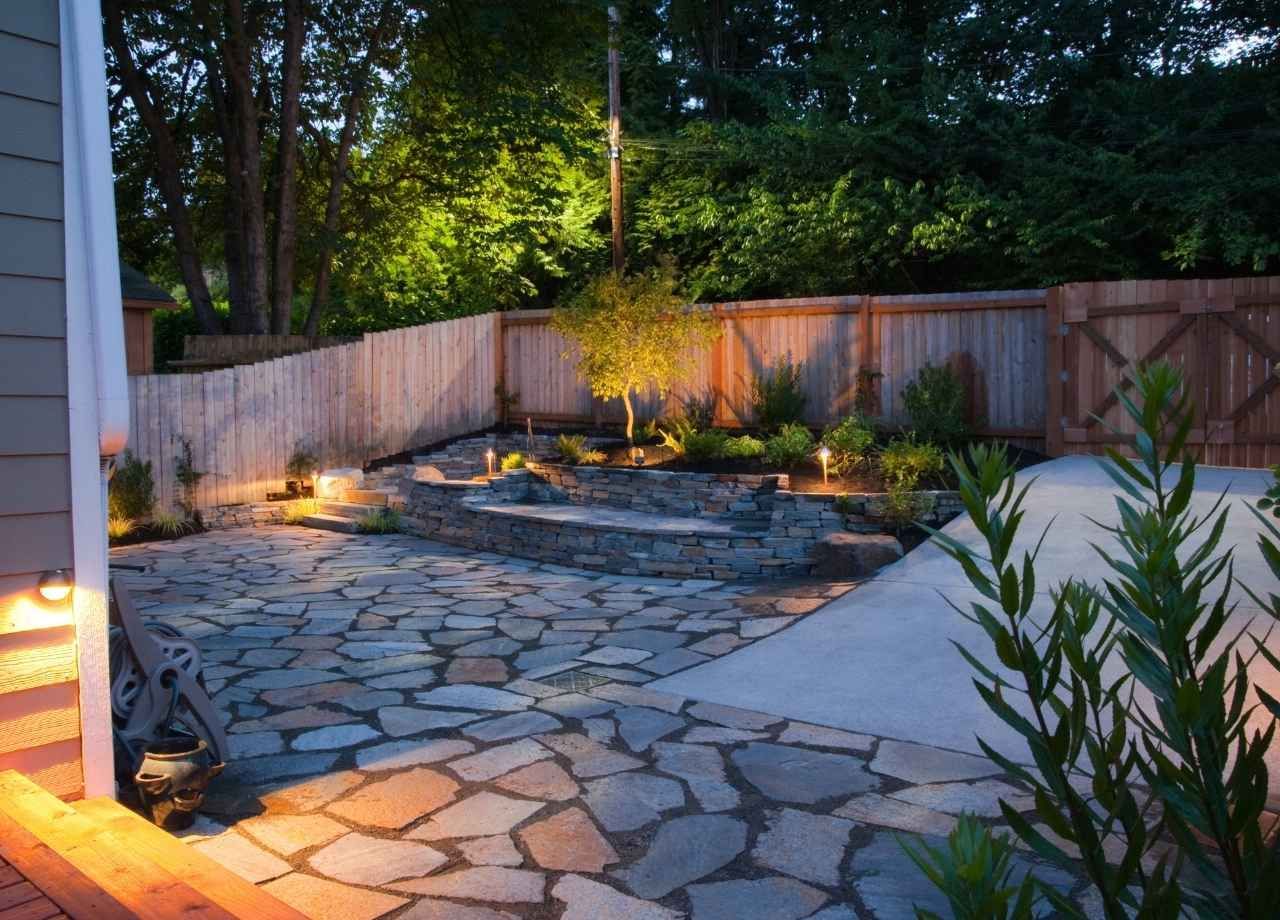
A landscape lighting installation should never be judged entirely during daylight. Fixtures can look perfectly positioned before sunset but produce unwanted shadows, glare, or uneven illumination once darkness arrives.
Nighttime testing reveals problems that are difficult to identify during installation. A spotlight may need a narrower beam, a path light may require repositioning, or an uplight may need a slight angle adjustment to highlight the trunk rather than the surrounding foliage.
Testing should include several viewing positions around the property. Check the appearance from the street, driveway, patio, garden seating areas, and interior windows. Evaluate whether the light feels balanced and whether important features remain visible without overwhelming the surrounding space.
Allowing time for adjustments helps achieve the intended appearance. Small changes in fixture direction, spacing, brightness, and shielding can produce substantial improvements.
Create a Better Landscape Lighting Experience
Avoiding common landscape lighting mistakes begins with understanding how light interacts with architecture, plants, walking surfaces, and the surrounding environment. Every fixture should serve a purpose, operate within its electrical requirements, and contribute to the overall nighttime appearance of the property.
Thoughtful planning also makes long-term maintenance easier. Correct fixture selection, suitable wiring, reliable connections, appropriate controls, and periodic adjustments help protect the investment and maintain consistent performance.
A successful outdoor lighting design does not require illuminating every corner of the property. It requires knowing where light will make the greatest difference and applying it with precision. When these details receive proper attention, outdoor spaces become more welcoming, functional, and visually appealing after dark.