Outdoor Lighting Maintenance Tips Every Property Owner Should Know
Outdoor lighting systems operate in a demanding environment. Heat, moisture, soil movement, plant growth, insects, and debris constantly interact with fixtures and wiring. Proper installation lays the foundation for long term performance, yet regular maintenance determines how well that system continues to perform year after year. A well maintained lighting system protects your investment, keeps your property looking polished at night, and prevents avoidable failures.
Many homeowners assume outdoor lighting requires very little care once installed. That belief often leads to dim fixtures, uneven light coverage, premature component failure, and higher repair costs. A small amount of regular attention keeps systems operating exactly the way they were designed.
Professional maintenance services from companies like Aloha Outdoor Lighting can help maintain performance and reliability, yet property owners who understand the basics of system care will see much longer lifespans from their fixtures and wiring.
Why Outdoor Lighting Maintenance Matters
Outdoor lighting systems face far harsher conditions than indoor electrical equipment. Fixtures deal with rain, irrigation overspray, dirt accumulation, fertilizer residue, and temperature swings. Electrical connections buried underground can shift with soil movement or root growth. Even high quality fixtures will eventually show signs of wear without periodic inspection.
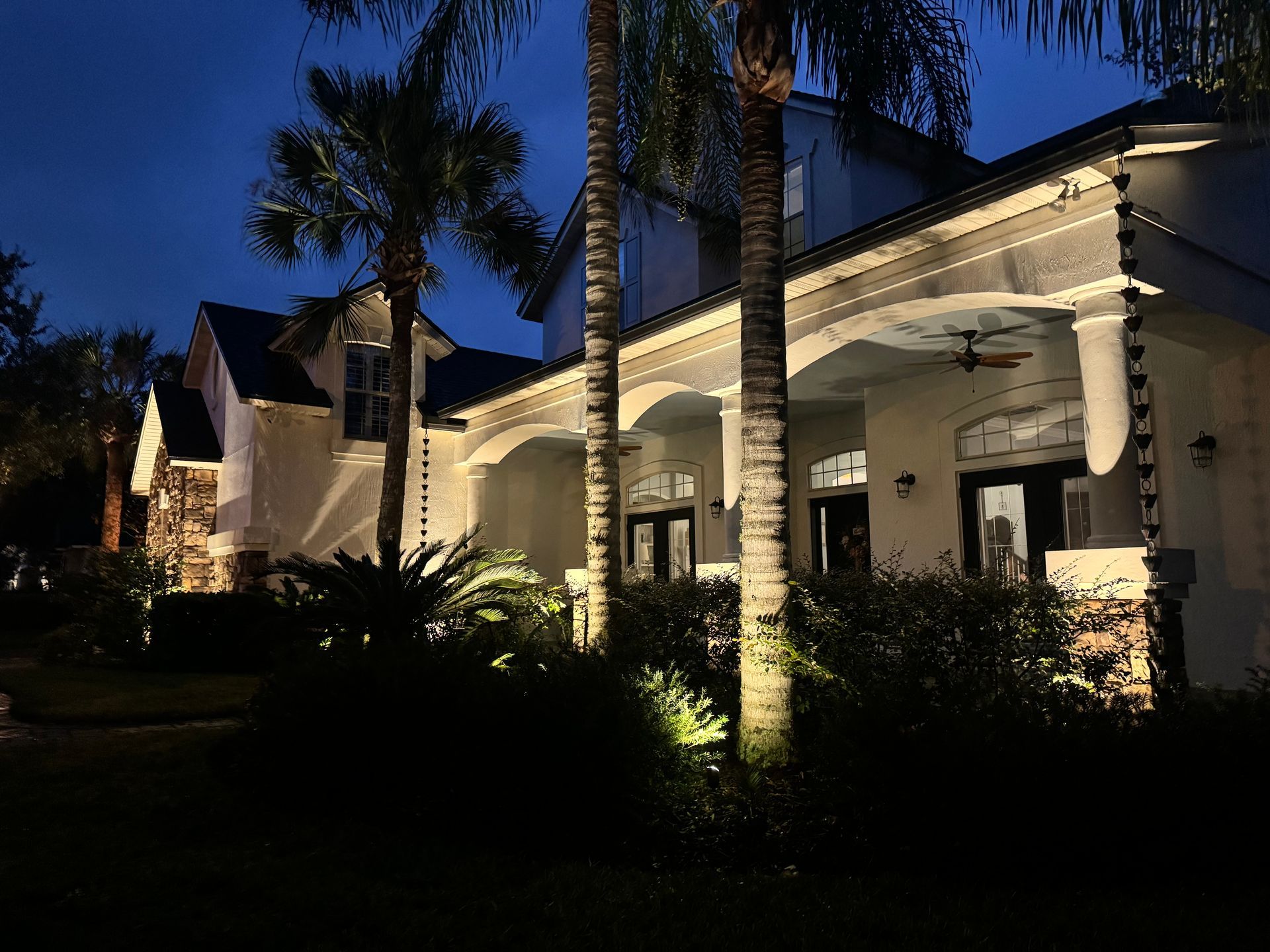
Light output also changes gradually. Dirt buildup on lenses can reduce brightness significantly over time. Plant growth may block beam patterns that were carefully designed during installation. A fixture that once highlighted a beautiful tree canopy may end up lighting only the back of a dense shrub several seasons later.
Routine maintenance prevents these small issues from growing into larger problems. Consistent upkeep also protects the electrical components that power the system. Transformers, wire connections, and LED drivers operate more reliably when the system remains clean and properly adjusted.
A maintenance schedule also preserves the original design intent. Lighting professionals spend time balancing beam angles, brightness levels, and fixture placement to achieve a polished nighttime appearance. Small changes across a property can slowly undo that balance if adjustments never occur.
Cleaning Fixtures and Lenses
Dirt accumulation represents one of the most common causes of declining light output. Dust, pollen, grass clippings, and irrigation residue can coat fixture lenses within a few months. Clear lenses allow the light source to perform at full brightness, yet a dirty lens can reduce visible output by a surprising amount.
Cleaning should happen at least twice per year, with additional cleaning in dusty or high pollen regions. Warm water with a mild soap works well for most fixtures. Harsh chemical cleaners should be avoided since they can damage lens coatings or fixture finishes.
Remove loose debris first using a soft cloth or brush. Gently wipe the lens surface to remove residue and mineral buildup. Fixtures located near irrigation heads often develop hard water spots that benefit from a slightly longer soak before wiping.
Metal housings also benefit from occasional cleaning. Dirt buildup on the fixture body can trap moisture and accelerate corrosion. A quick wipe keeps finishes looking sharp and reduces the risk of long term damage.
Outdoor lighting systems designed with brass or copper fixtures will develop a natural patina over time. That process protects the metal and gives fixtures a distinctive appearance. Cleaning should focus on removing debris rather than polishing away that protective surface.
Checking Connections and Wiring
Low voltage outdoor lighting systems rely on stable electrical connections. Wire connections located underground or inside weatherproof housings must remain tight and protected from moisture. Loose or corroded connections can cause flickering, dim output, or complete fixture failure.
Inspection should begin at the transformer. Confirm that wires remain firmly secured to their terminals and that no corrosion is present. Transformers should remain free of debris and properly ventilated. Leaves and mulch accumulation near the unit can trap moisture and lead to overheating.
Walk the property and inspect fixture connections along the main cable path. Wire connectors should remain sealed and protected. Any exposed wiring should be corrected immediately since moisture intrusion may damage the system.
Cable burial depth should also be checked in areas with heavy foot traffic or landscaping activity. Soil movement, edging tools, and planting projects can expose wiring. Shallow cables face higher risk of damage from gardening tools or lawn equipment.
Professional installers often leave service loops near fixtures to allow repositioning later. Those loops should remain neatly buried and protected to avoid accidental cuts.
Managing Moisture and Corrosion
Outdoor electrical systems must handle constant exposure to moisture. Rainwater, irrigation systems, and humidity all contribute to conditions that encourage corrosion if components are not sealed properly.
Fixtures that collect standing water inside the housing may experience shortened LED life or driver failure. Check for signs of moisture inside lenses or housings. Many high quality fixtures include drainage features that allow water to escape. Debris can occasionally block those pathways.

Connector points deserve close attention during inspections. Gel filled connectors or heat shrink connectors provide excellent moisture protection when installed properly. Older systems using basic wire nuts often benefit from upgraded connectors.
Corrosion appears as green, white, or powdery residue around metal parts or connections. Cleaning and resealing affected areas early can prevent permanent damage. Severe corrosion may require replacing the affected component to restore safe electrical performance.
Properties located near coastal environments face greater corrosion risks due to salt in the air. Regular inspection becomes even more important in those locations.
Landscape Growth and Light Obstruction
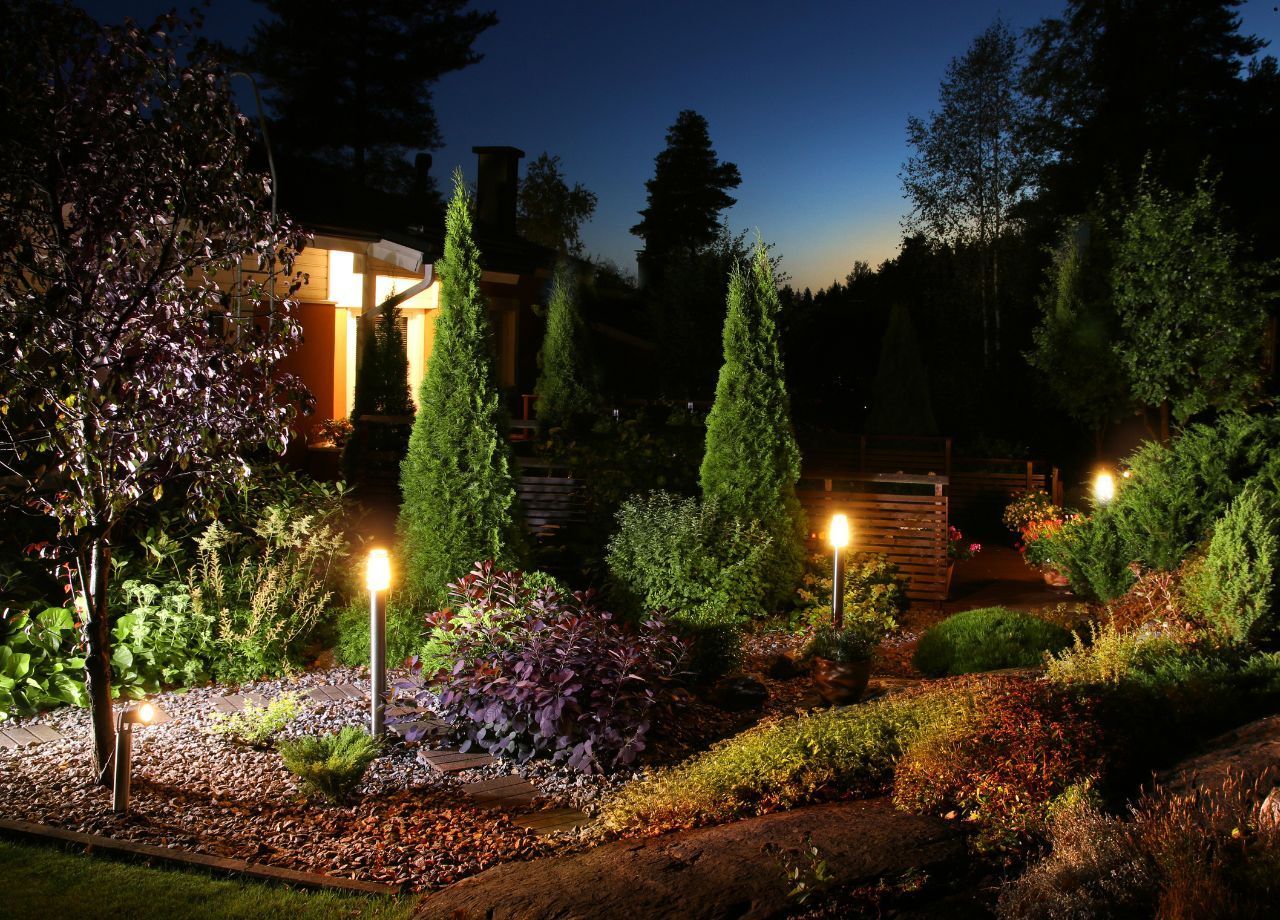
Landscape lighting interacts directly with plant material. Trees, shrubs, ornamental grasses, and groundcover constantly grow and shift. That natural growth often changes how light travels across the property.
A fixture placed to illuminate a young ornamental tree may become hidden within dense branches after a few growing seasons. Light beams that once highlighted architecture may become blocked by tall shrubs planted nearby.
Maintenance visits should include checking beam angles and fixture positioning. Adjusting fixtures restores the intended lighting effect and prevents wasted light output. Simple repositioning often produces dramatic improvements in nighttime appearance.
Plant trimming may also be necessary around certain fixtures. Overgrown branches can trap heat around the fixture housing and reduce airflow. Proper clearance allows fixtures to operate efficiently and maintain consistent brightness.
Landscape lighting design works best when lighting and plant maintenance operate together as part of a coordinated plan.
Lamp and LED Performance
LED technology has dramatically improved outdoor lighting reliability. Modern LED lamps can operate for tens of thousands of hours. That longevity does not mean they remain completely maintenance free.
Brightness levels may slowly decline over many years of operation. Dirt buildup and lens haze can also create the appearance of fading light. Cleaning and inspection should happen before assuming the lamp itself needs replacement.
Color temperature consistency represents another factor to monitor. Older LED lamps may shift slightly in color after many years. Replacing aging lamps in key areas helps maintain a uniform lighting appearance across the property.
Check for flickering or inconsistent brightness. These symptoms may indicate driver issues, connection problems, or voltage drop across long cable runs. Early detection prevents larger system failures.
Many modern lighting systems include dimming controls or smart timers. Periodic testing confirms that schedules and brightness levels still match the intended design.
Seasonal System Checks
Seasonal inspections help outdoor lighting systems adapt to environmental changes. Spring maintenance often focuses on cleaning fixtures after winter storms and checking for soil movement that may have shifted fixtures or cables.
Summer inspections typically involve managing plant growth and ensuring irrigation systems are not spraying directly into fixtures. Excessive irrigation exposure can shorten component lifespan.
Autumn maintenance often includes clearing fallen leaves and debris from around fixtures and transformers. Leaf buildup traps moisture and blocks ventilation.
Winter conditions introduce freezing temperatures and heavy rain in many regions. Checking drainage around fixtures and confirming connectors remain sealed helps protect the system through colder months.
Property owners who schedule seasonal checks often experience far fewer lighting failures.
When Professional Maintenance Makes Sense
Large or complex outdoor lighting systems often benefit from periodic professional maintenance. Lighting specialists can evaluate voltage levels across the system, confirm the transformer is carrying a balanced load, and identify early warning signs of wear before they turn into larger electrical problems. Skilled technicians also fine tune beam angles and brightness levels as plants mature or landscape layouts change, keeping the nighttime presentation clean and intentional.
Service visits typically include fixture realignment, connector inspection or replacement, lens cleaning, and timer adjustments to match seasonal daylight changes. Many property owners schedule yearly or twice yearly maintenance to protect the system and avoid unexpected outages. Consistent care preserves the appearance, reliability, and safety of a professionally installed outdoor lighting design.