Driveway Entrance Lighting Ideas That Elevate Safety, Style, and Property Value
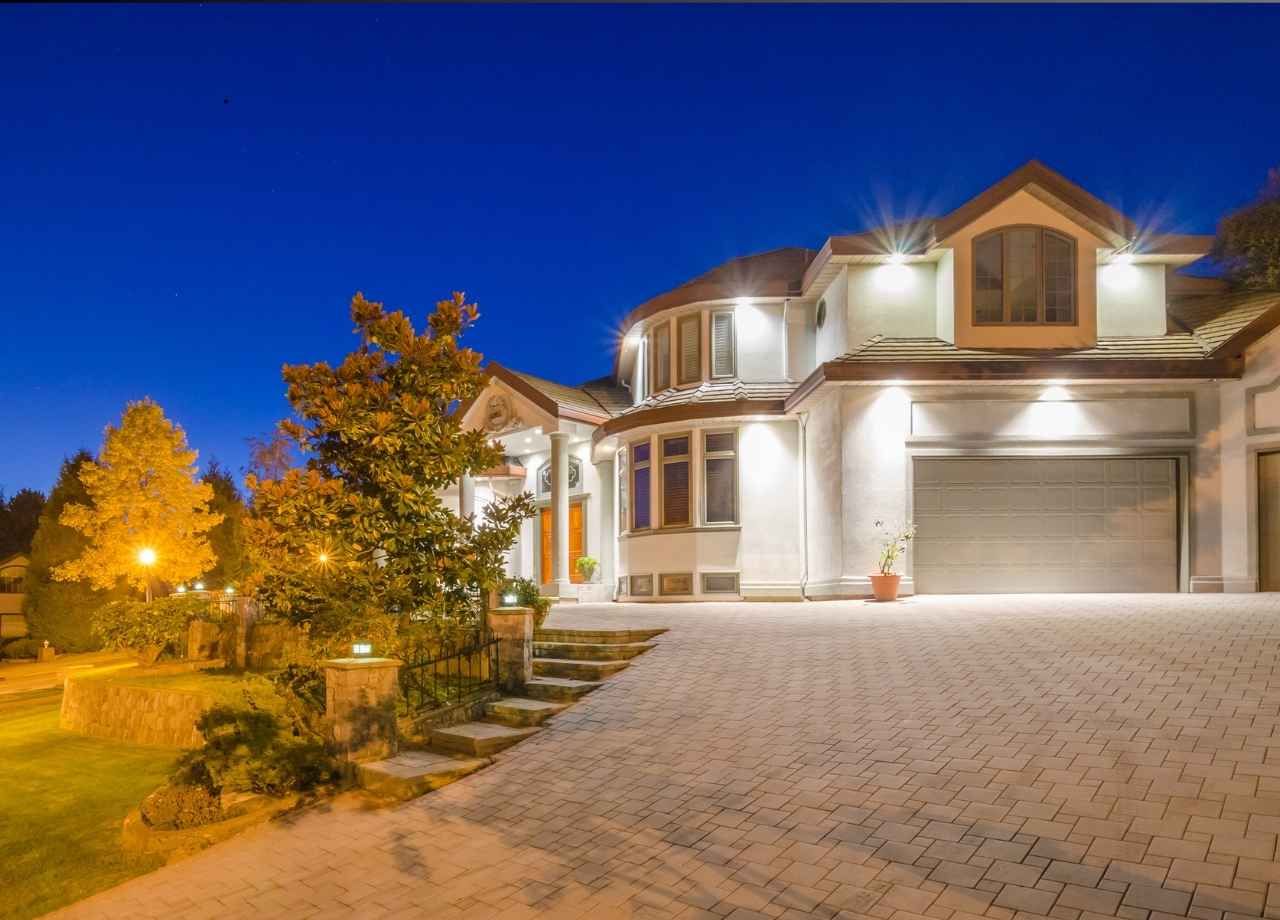
Driveway entrance lighting does far more than help you see where to turn at night. It sets the tone for your entire property. The first impression of your home begins at the curb, and thoughtful lighting design creates a welcoming, refined look while improving safety and security.
Homeowners across Northeast Florida are investing in permanent, professionally installed systems that balance beauty with durability. At Aloha Outdoor Lighting in Jacksonville, FL, custom driveway entrance lighting is designed around each property’s layout, architecture, and landscaping to ensure clean lines, balanced brightness, and long-term performance in coastal conditions. The ideas below reflect what works today, using modern LED technology, smart controls, and design techniques that highlight your home without overwhelming it.
The Purpose of Driveway Entrance Lighting
A well-lit driveway entrance accomplishes three primary goals: visibility, guidance, and architectural enhancement. Every lighting decision should support at least one of these objectives.
Visibility improves safety for drivers and pedestrians. Dark driveways increase the risk of misjudging turns, missing elevation changes, or backing into obstacles. Proper lighting removes harsh shadows and reveals the true shape of the driveway, including curves, transitions, and entry gates.
Guidance lighting defines boundaries. Long driveways benefit from clearly marked edges, especially if landscaping, water features, or drainage swales sit close to the pavement. Visitors unfamiliar with the property should instantly understand where to drive without confusion.
Architectural enhancement transforms the entrance into a feature rather than a utility path. Columns, stone walls, custom gates, and surrounding trees all offer opportunities for subtle, layered illumination that enhances the home’s character.
Driveway Column and Pillar Lighting
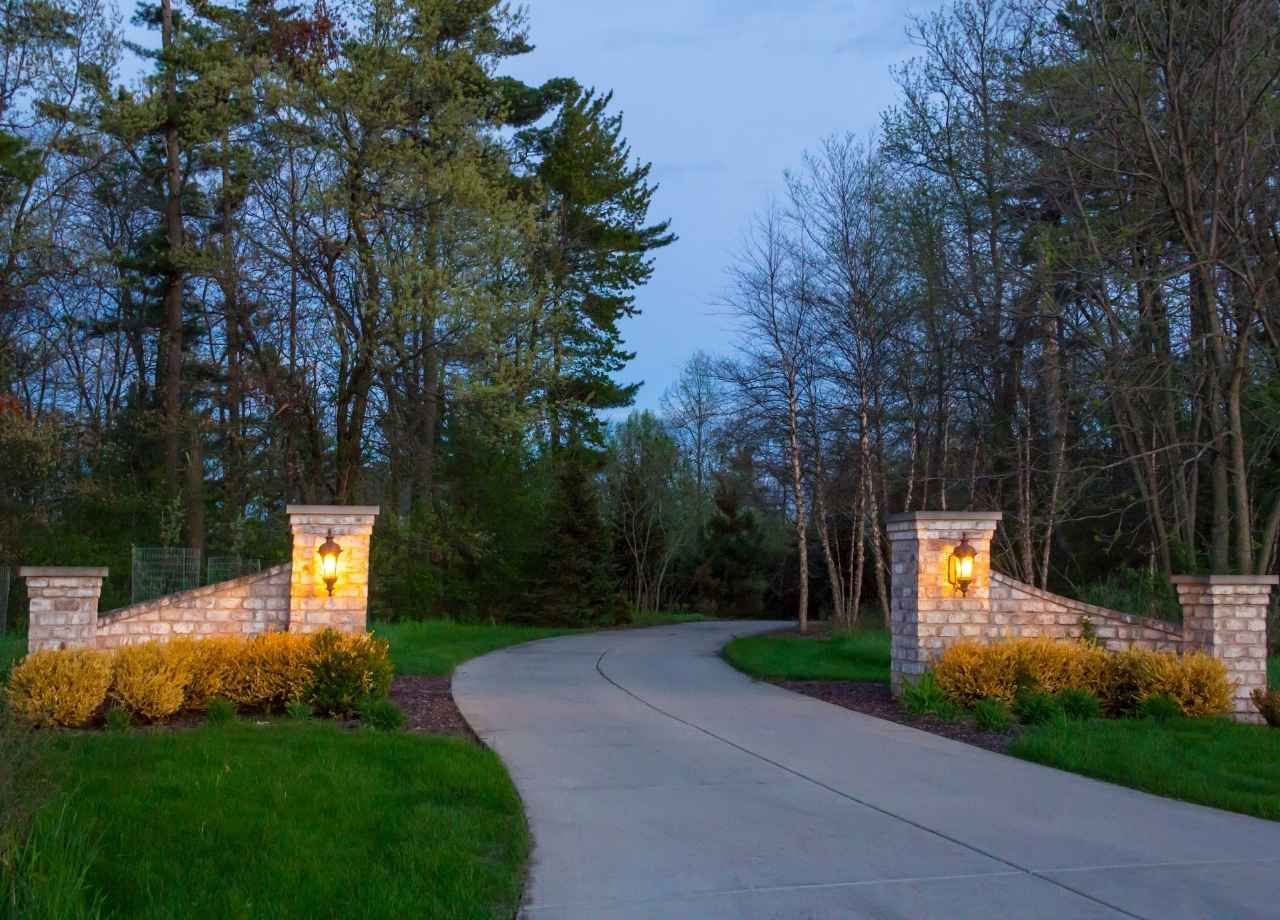
Columns at the driveway entrance provide one of the most powerful lighting opportunities. These vertical elements frame the entry and anchor the design visually. Lighting them correctly creates a sense of arrival.
Integrated column cap lights are a popular choice. Modern LED cap fixtures sit flush on top of masonry columns and cast a soft glow downward. This creates a defined perimeter without excessive glare. High-quality fixtures use warm white LEDs in the 2700K to 3000K range, which complement natural stone and brick tones beautifully.
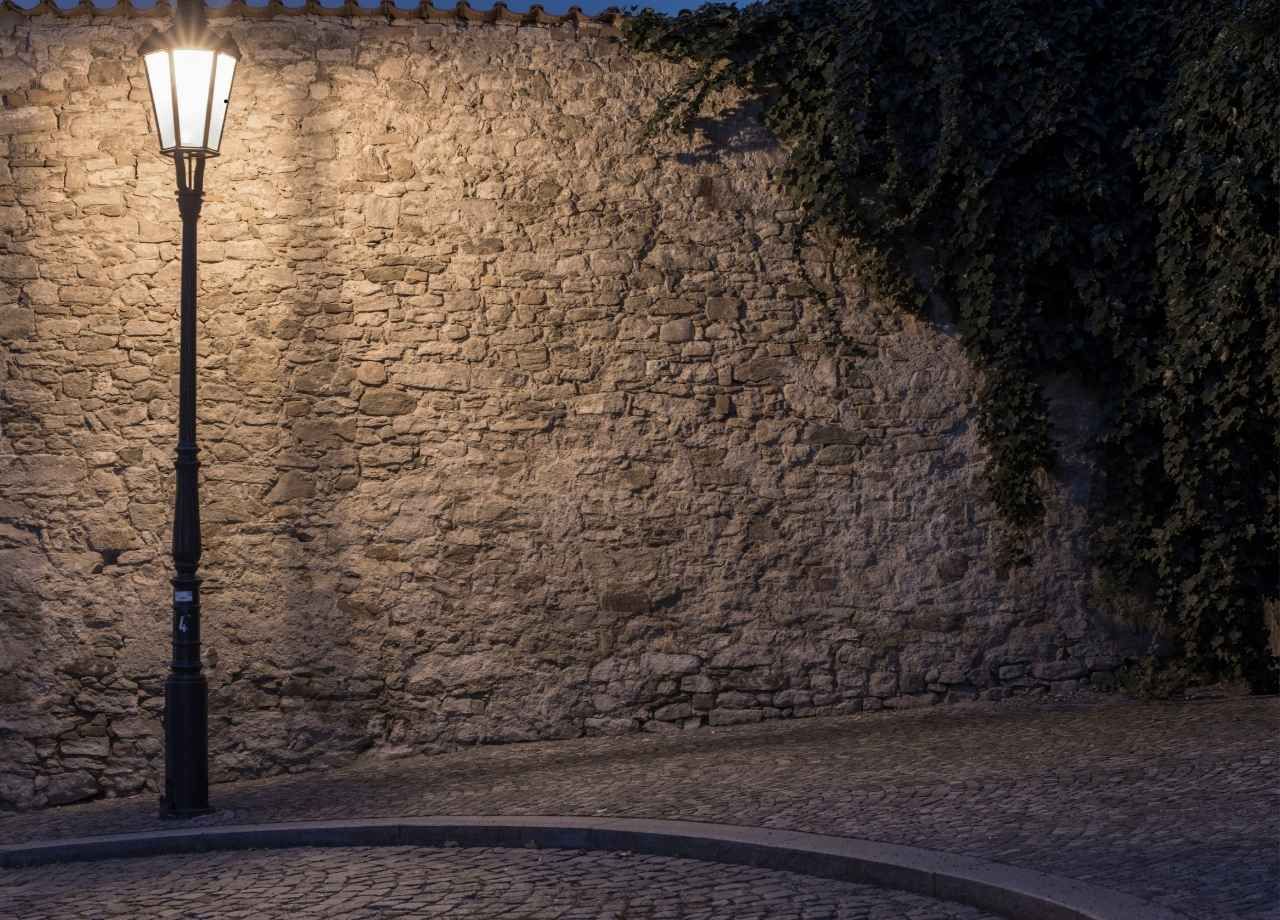
Recessed fixtures built into the sides of columns offer a cleaner, more architectural look. These lights can graze the stone surface, highlighting texture and craftsmanship. When installed at the proper angle, they create depth and dimension rather than flat illumination.
Another approach uses uplights placed at the base of the column. This technique emphasizes height and adds drama. Narrow beam spreads are ideal for tall, slender columns, while wider beams work better for broad masonry structures.
Careful planning is essential. Over-lighting a column can cause harsh brightness that distracts from the home. Balanced intensity ensures the entrance feels elegant rather than commercial.
Path and Driveway Edge Lighting
Long driveways benefit significantly from edge lighting. This style of lighting defines the path while maintaining a clean, uncluttered appearance.
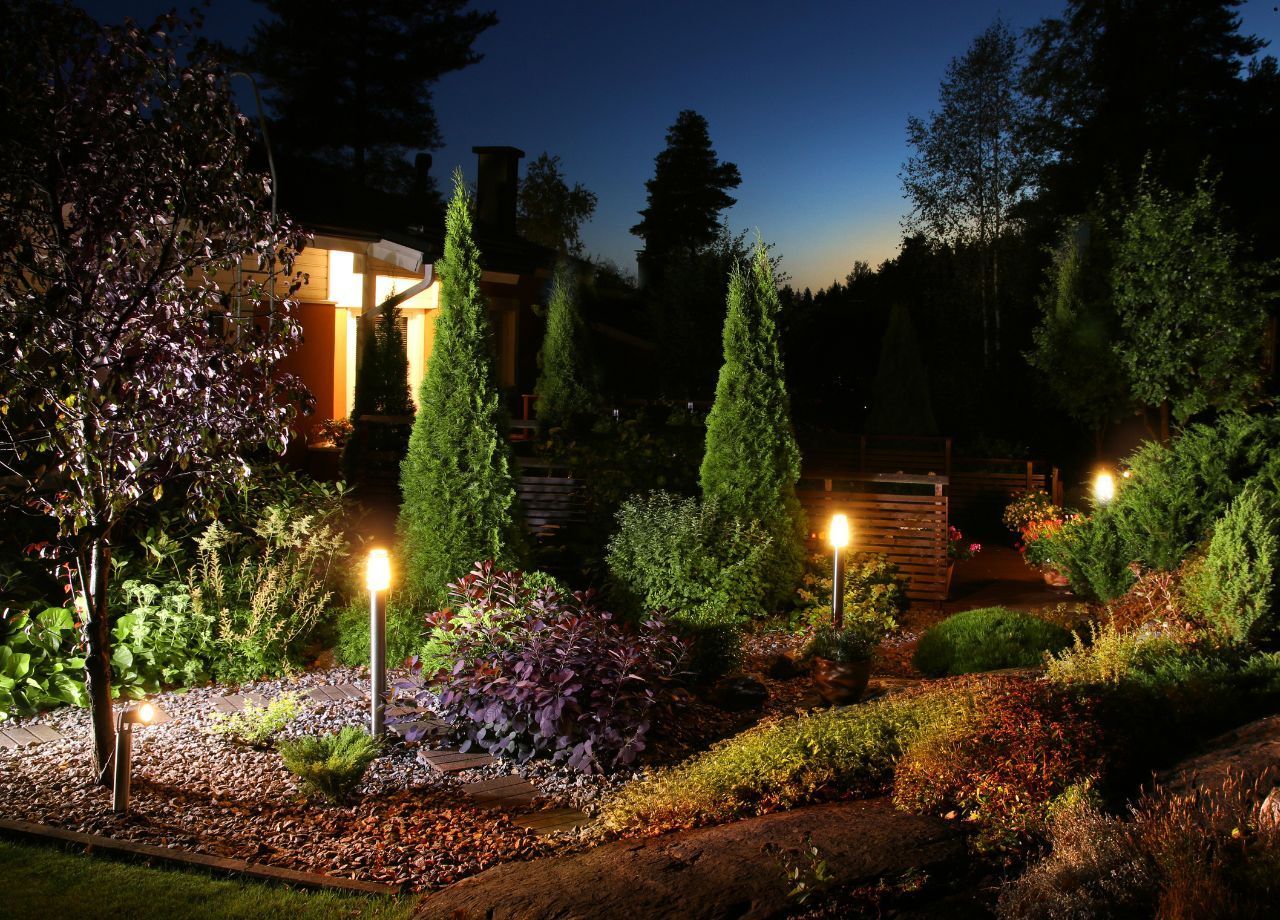
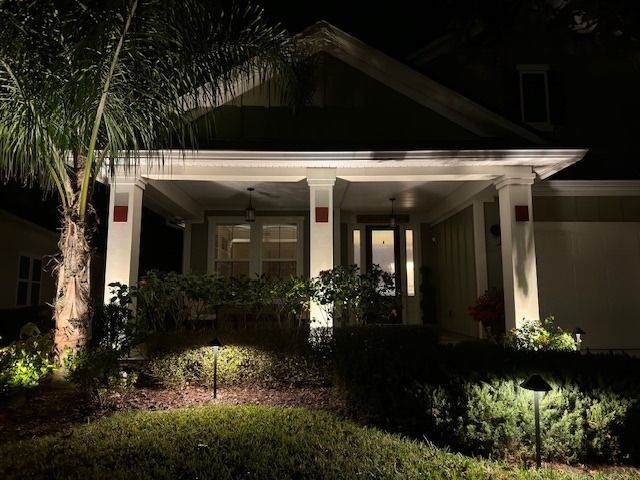
Low-profile path lights spaced strategically along the driveway edge create a rhythmic glow that guides vehicles safely. The goal is not to flood the pavement with light. Instead, fixtures should cast soft, overlapping pools that outline the drive without producing glare.
Recessed hardscape lights installed into retaining walls or low brick borders offer an even more subtle effect. These fixtures shine downward onto the driveway surface, reducing visible hardware and keeping the design refined.
For curved driveways, spacing becomes even more critical. Light placement should accentuate the curve, not fight it. Tight curves may require closer fixture spacing to maintain consistent guidance.
Homes in coastal environments like Jacksonville should use corrosion-resistant materials such as solid brass or marine-grade aluminum. Humidity, salt air, and frequent storms demand fixtures that can withstand exposure without deterioration.
Gate and Entry Feature Lighting
Driveway gates present another opportunity for layered lighting. Whether the gate is ornamental iron, wood, or aluminum, lighting should highlight its design without creating harsh shadows.
Uplighting works particularly well for decorative iron gates. A narrow beam placed at the base can accent intricate metalwork and cast artistic shadows on nearby surfaces. The effect is striking yet refined.
Wood gates benefit from softer, wider beam lighting that enhances natural grain. Warm color temperatures help preserve the richness of wood tones at night.
Automation also plays a role. Integrating lighting with gate sensors ensures illumination increases when a vehicle approaches. Smart systems allow brightness levels to adjust automatically based on time of night, providing convenience and energy efficiency.
If the entrance includes signage or a property name monument, dedicated lighting should be installed specifically for that feature. Proper angle and beam control prevent glare into the street while ensuring the text remains legible after dark.
Uplighting Trees and Landscaping at the Entrance
Landscaping frames the driveway and adds depth to the entry. Trees, ornamental grasses, and shrubs can either disappear at night or become focal points depending on lighting strategy.
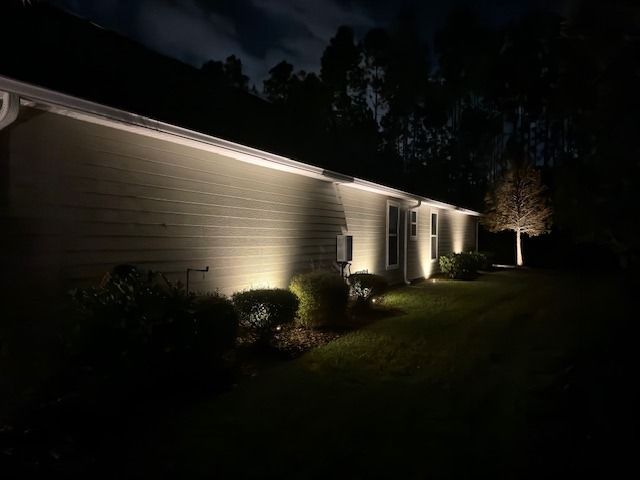
Mature oak trees, common throughout Northeast Florida, respond beautifully to uplighting. Wide beam fixtures placed at the base can illuminate the trunk and canopy, creating a natural archway effect over the driveway.
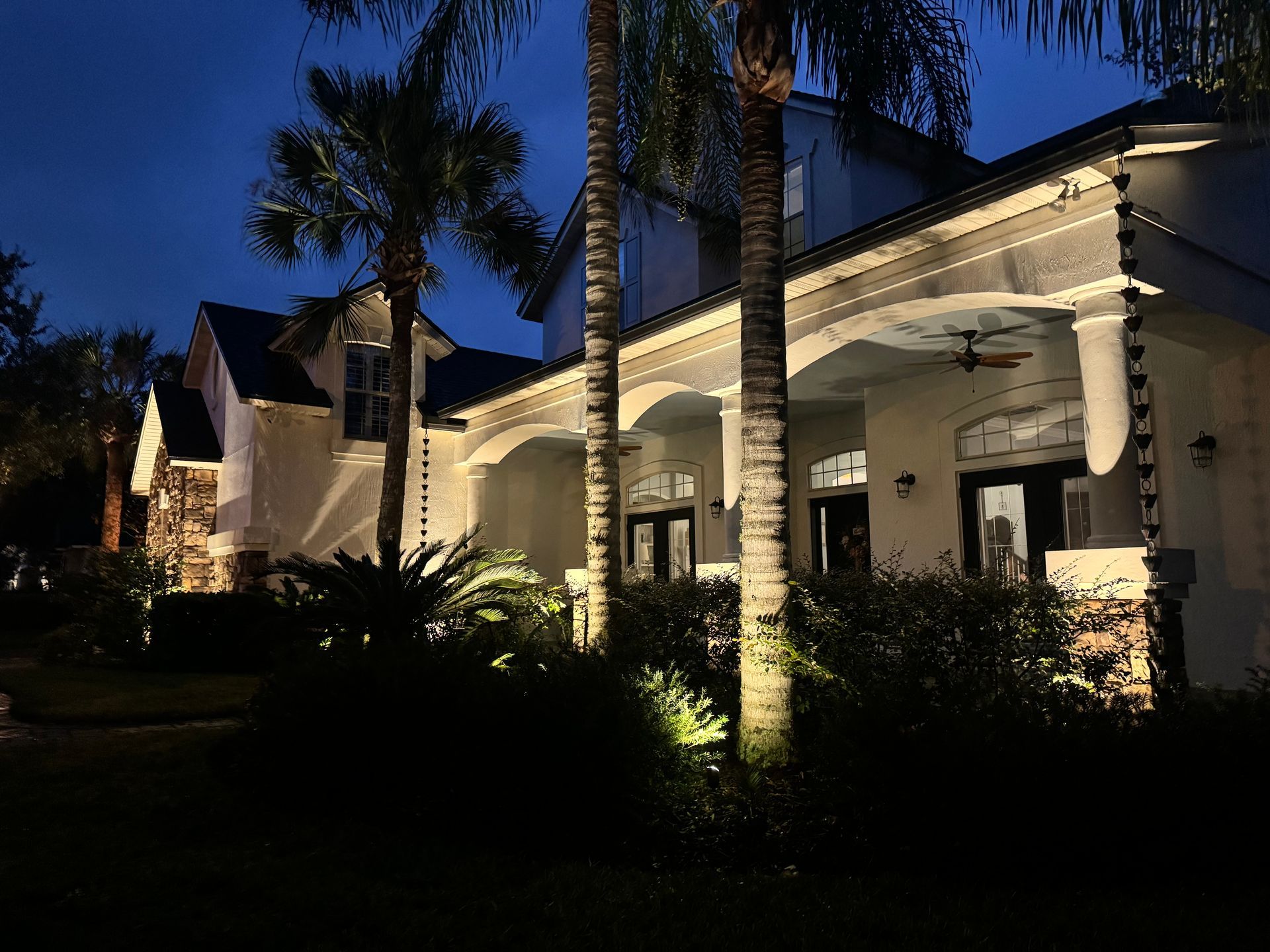
Palm trees require a different approach. Narrower beam angles help emphasize the vertical trunk while softly washing the fronds above. Placement must avoid direct glare into drivers’ eyes, especially when trees sit close to the driveway edge.
Layering works best. Combining uplights on trees with softer path lighting creates dimension and visual hierarchy. The driveway entrance should feel intentional, not randomly lit.
Landscape lighting also improves perceived security. A well-lit yard discourages unwanted activity and eliminates hiding spots near the entrance.
Modern LED Technology and Energy Efficiency
LED technology has changed driveway entrance lighting dramatically over the last decade. Today’s professional-grade LEDs deliver consistent color temperature, higher lumen efficiency, and significantly longer lifespans than older halogen systems.
Quality LED fixtures maintain stable output without visible color shifting over time. Low voltage systems are common for residential applications, offering energy savings and safer installation compared to line voltage systems.
Dimming capability adds flexibility. Late evening lighting levels can be reduced to conserve energy while still maintaining guidance and security. Smart controllers and astronomical timers automatically adjust lighting based on sunset and sunrise, eliminating the need for manual operation.
Shielded fixtures reduce light spill into neighboring properties and the night sky. Responsible lighting design protects the surrounding environment while keeping illumination focused where it is needed.
Balancing Brightness and Avoiding Glare
One of the most common mistakes in driveway lighting is excessive brightness. More lumens do not automatically mean better results.
Human eyes adapt to darkness. Subtle, layered lighting feels more comfortable than intense floodlights. Proper beam spread and fixture shielding prevent glare that can momentarily blind drivers entering the property.
Lighting should guide, not overwhelm. Driveway entrances require contrast and depth rather than uniform brightness. Highlighting vertical elements while keeping horizontal surfaces slightly dimmer creates a balanced composition.
Professional lighting designers calculate spacing, beam angle, and output based on driveway width, surrounding structures, and landscape features. Guesswork often leads to uneven illumination or distracting hotspots.
Integrating Smart Controls and Automation
Smart technology has become standard in modern outdoor lighting systems. Driveway entrance lighting can be controlled through smartphone apps, timers, photocells, and even voice assistants.
Geofencing technology allows lights to activate automatically when a homeowner approaches the property. Vacation modes can randomize lighting patterns to simulate occupancy.
Advanced systems integrate with security cameras and motion sensors. When movement is detected, lighting levels can temporarily increase, enhancing visibility without keeping the entire system at maximum brightness all night.
Weather-resistant transformers and properly sealed wiring connections are essential in Florida’s climate. Installation quality plays a major role in long-term reliability.
Design Considerations for Coastal and Storm-Prone Areas
Homes in Jacksonville and other coastal regions face specific environmental challenges. High humidity, salt exposure, heavy rainfall, and hurricane-force winds demand thoughtful fixture selection and secure installation practices.
Solid brass fixtures resist corrosion far better than cheaper materials. Stainless steel hardware prevents rust streaking on masonry columns. Proper drainage around in-ground fixtures reduces the risk of water intrusion.
Conduit placement should avoid areas prone to flooding. Transformers must be mounted above potential water levels and protected from direct exposure to heavy rain.
Storm durability should never be an afterthought. Secure mounting, appropriate burial depth for wiring, and quality connectors protect the system from damage during severe weather.
Creating a Cohesive Entrance Experience
Driveway entrance lighting should never feel isolated from the rest of the property. It must blend seamlessly with front yard, architectural, and landscape lighting to create a unified nighttime appearance.
Color temperature consistency is critical. Mixing cool white and warm white fixtures creates a disjointed look. Warm white lighting between 2700K and 3000K typically complements residential architecture best.
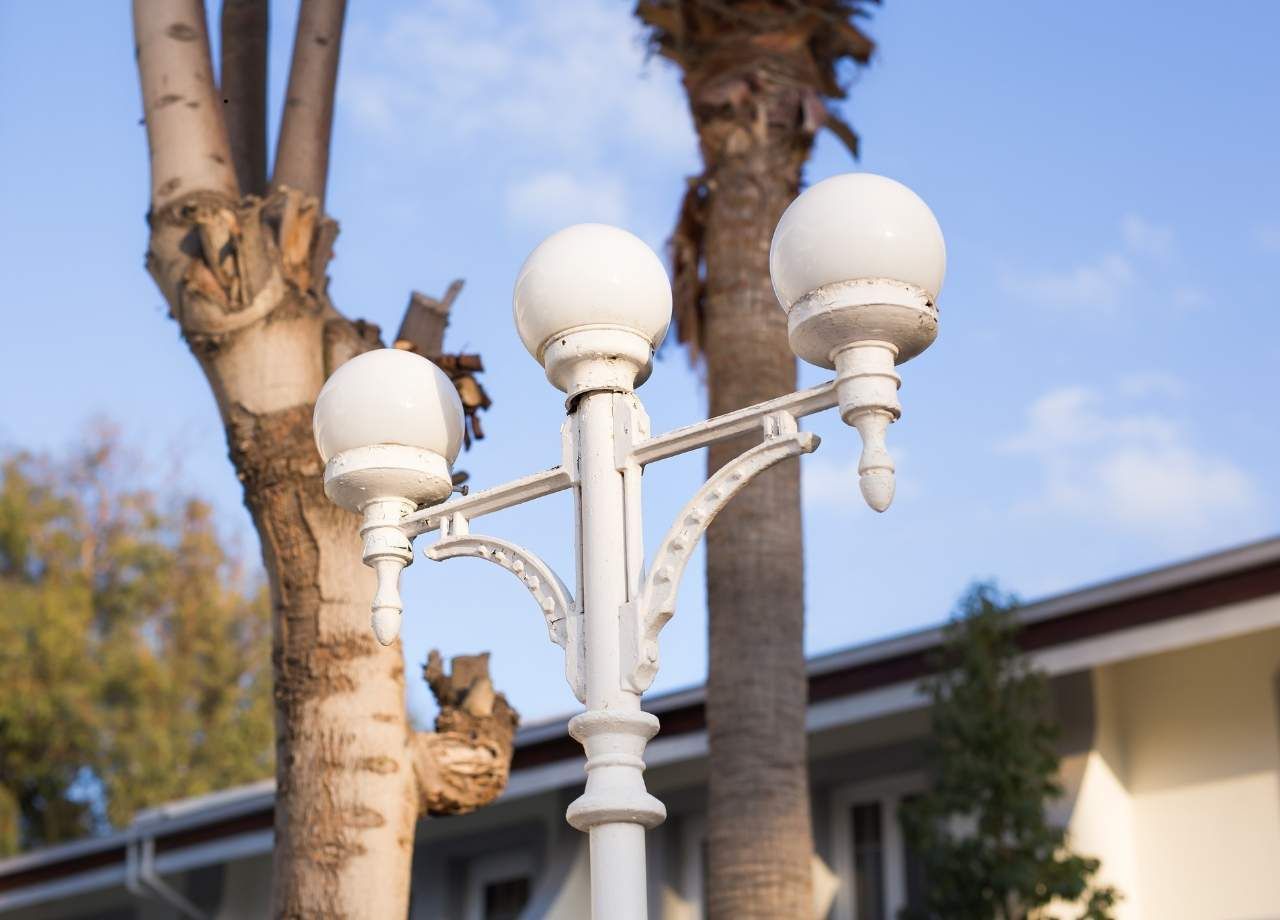
Fixture style should align with the home’s design. Modern homes benefit from sleek, minimal fixtures with concealed light sources. Traditional homes pair well with lantern-style column lights or classic path fixtures.
Spacing and scale matter. Oversized fixtures on narrow columns appear disproportionate. Small fixtures on large masonry pillars may look underwhelming. Proportion ensures visual harmony.
Final Thoughts
Driveway entrance lighting combines artistry with technical precision. The right design enhances curb appeal, increases safety, and adds a sense of sophistication that extends across the entire property.
Strategic column lighting, subtle path illumination, carefully aimed uplights, and smart controls work together to create a layered, inviting entrance. Modern LED technology provides energy efficiency and long-term performance, especially when installed with high-quality materials suited for Florida’s climate.
Homeowners who approach driveway lighting as a design investment rather than a simple utility upgrade see the greatest return. The entrance becomes a statement feature that welcomes guests, supports security, and elevates the overall appearance of the home long after the sun goes down.