Outdoor Garden Lighting Ideas That Bring Your Landscape to Life
Outdoor lighting shapes the way a garden feels after sunset. Thoughtful placement reveals texture, creates depth, and extends the usability of outdoor spaces long after daylight fades. A well-lit garden does more than improve visibility. It highlights design intent, protects pathways, and adds a sense of calm that makes the entire property feel complete.
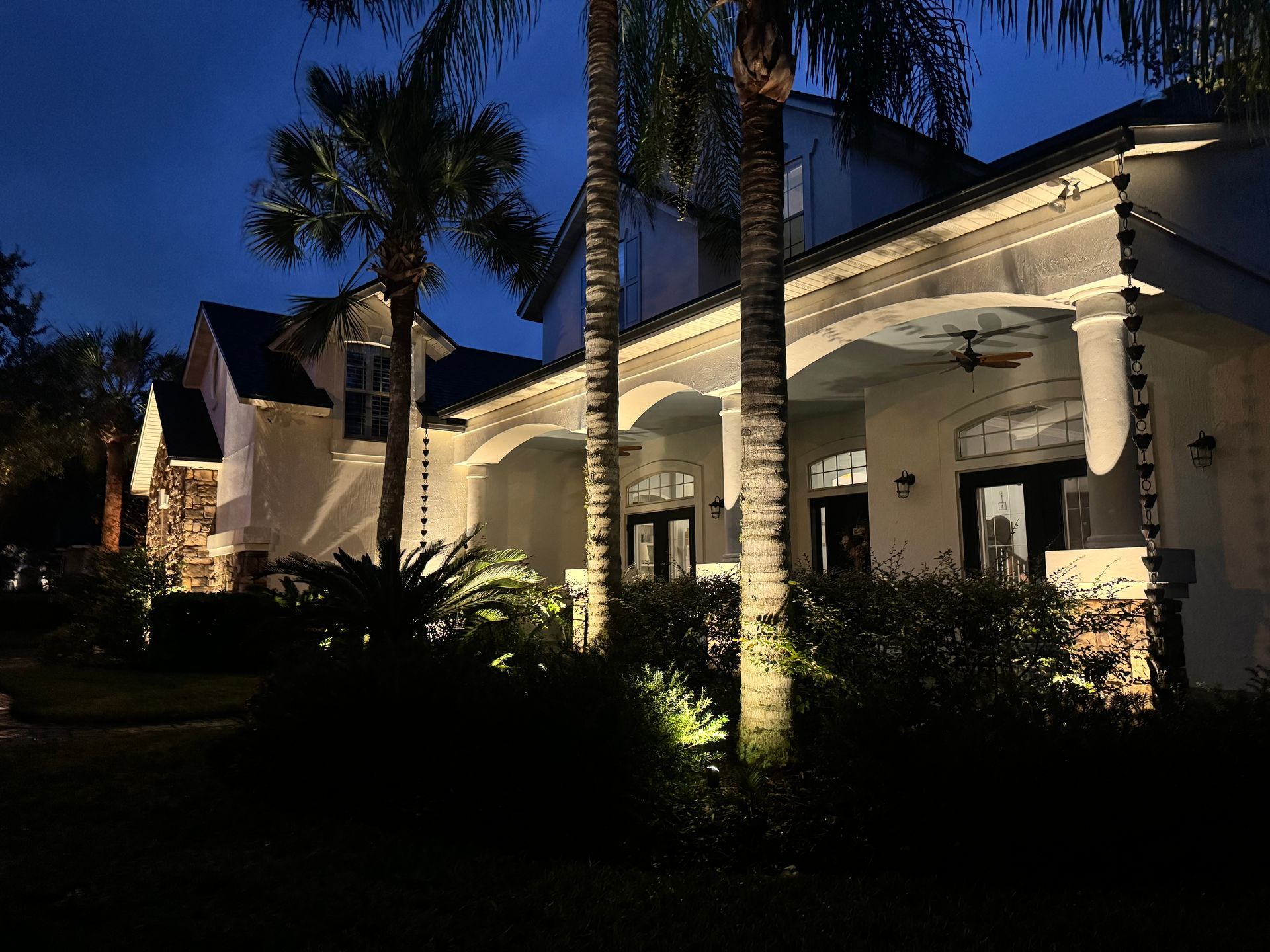
A professionally designed system, like those installed by Aloha Outdoor Lighting in Jacksonville, blends technical precision with artistic placement. That balance is what separates a basic setup from a landscape that truly stands out at night.
Layering Light for a Natural Look
Strong garden lighting never relies on a single type of fixture. Layering creates dimension and avoids the flat, overlit look that many homeowners struggle with. Ambient lighting sets the overall tone, while task lighting ensures safe movement through the space. Accent lighting brings attention to focal points like trees, sculptures, or water features.
Low-level wash lighting along planting beds helps soften the transition between hardscape and greenery. Spotlights aimed carefully at specimen plants introduce vertical interest. Combining these elements builds a scene that feels balanced rather than overwhelming.
Color temperature plays a big role here. Warmer tones around 2700K to 3000K work best for gardens, creating a welcoming glow that enhances natural colors without looking harsh or artificial.
Pathway Lighting That Guides Without Glare
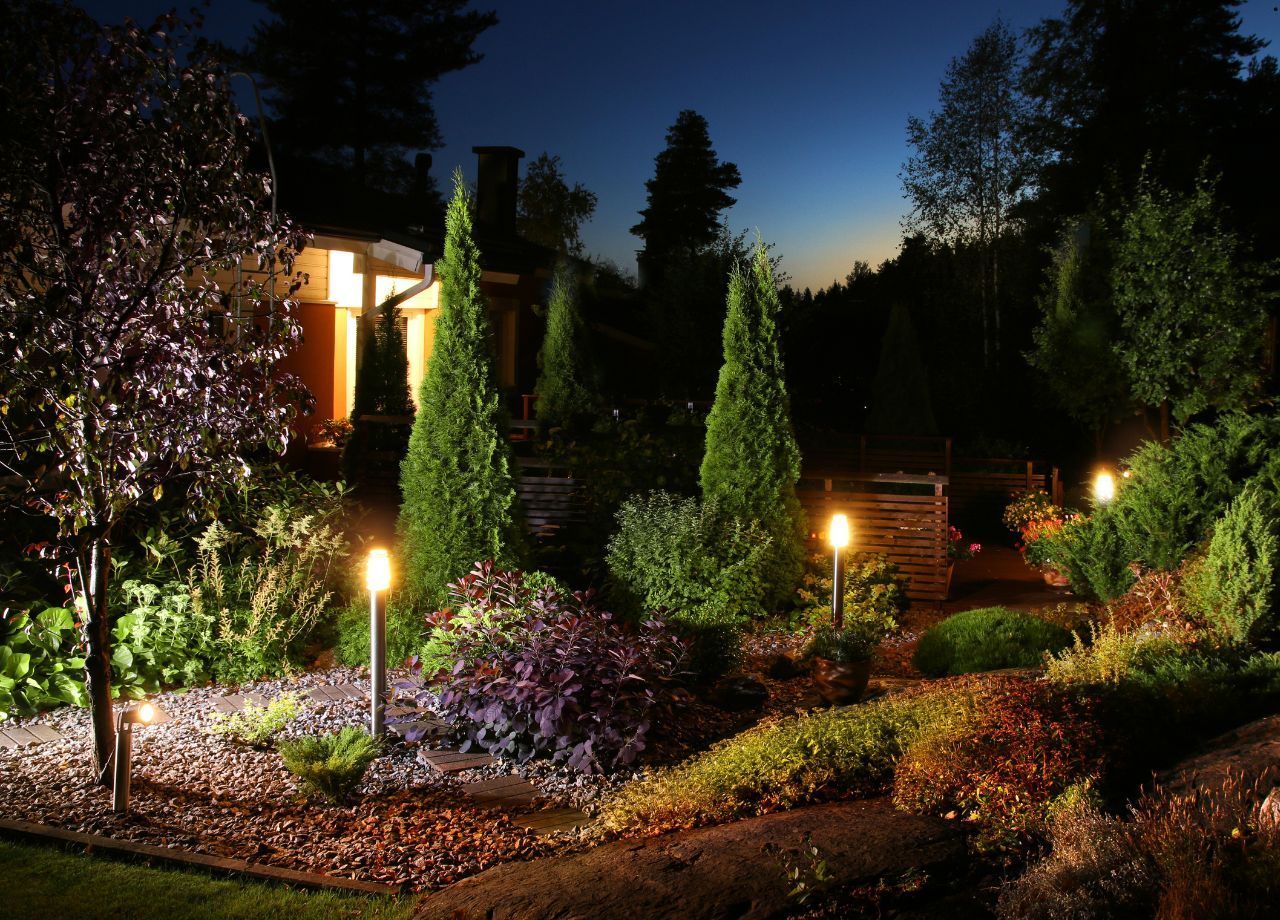
Path lighting often gets treated as a purely functional feature, but it carries a lot of visual weight. Poorly placed fixtures can create harsh glare or uneven shadows that disrupt the flow of the garden.
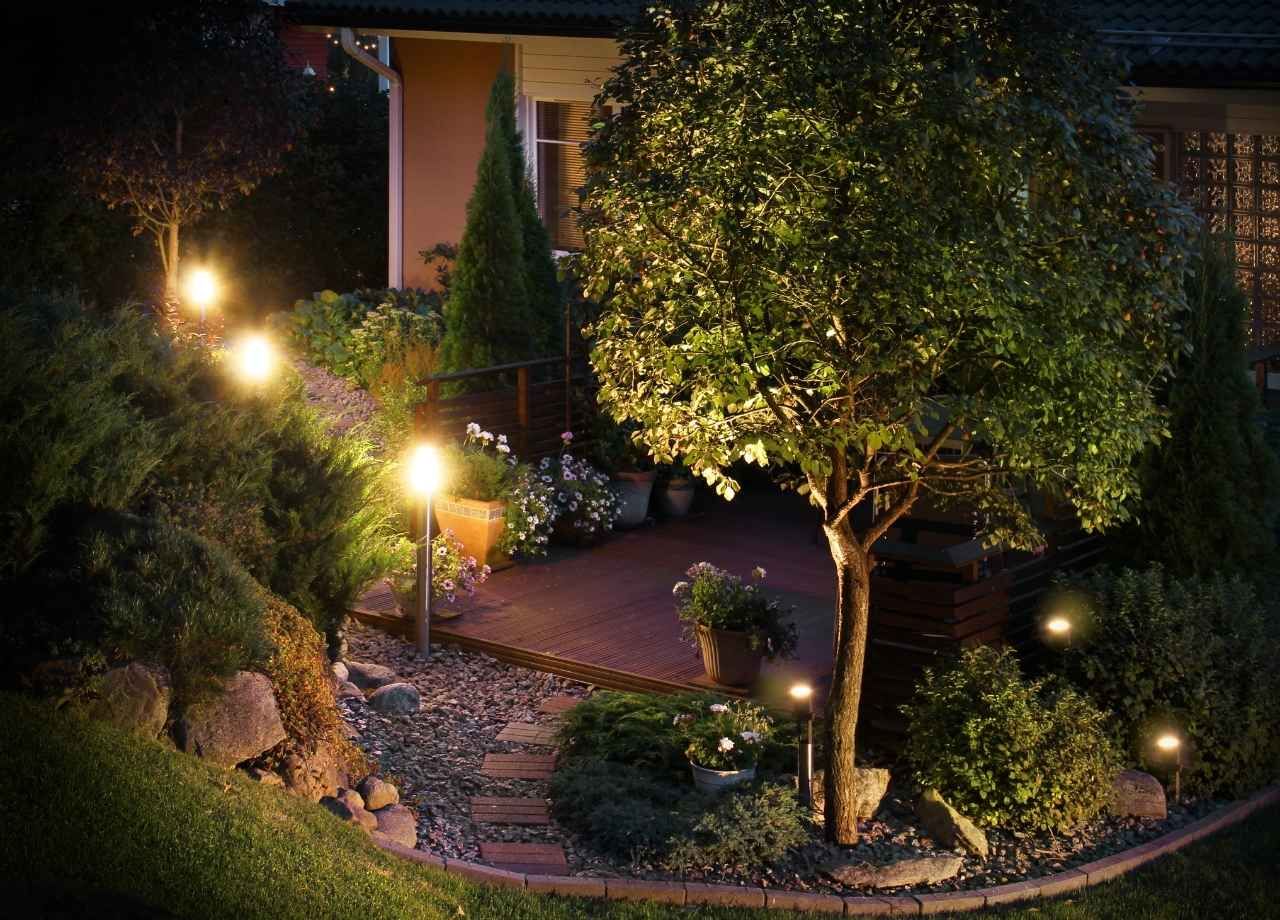
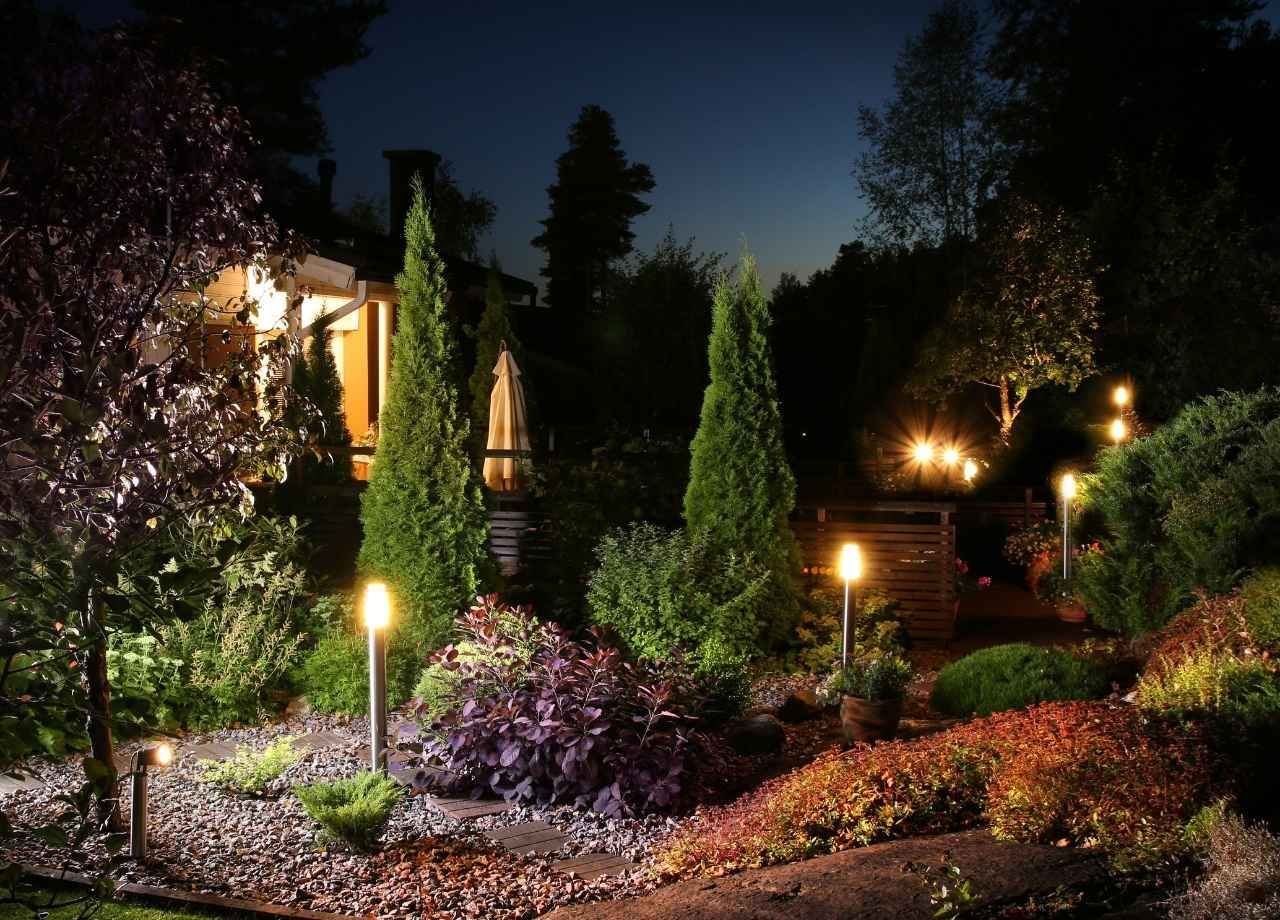
Spacing is key. Fixtures should overlap slightly in their light spread so the path feels continuous rather than dotted with isolated pools of light. Keeping fixtures lower to the ground reduces glare and keeps attention on the landscape rather than the hardware.
Material choice matters just as much as placement. Brass and copper fixtures age naturally and blend into outdoor environments over time. That subtle patina adds character rather than drawing attention away from the garden itself.
Highlighting Trees for Structure and Drama
Trees are often the backbone of a landscape design, and lighting them correctly transforms the entire yard. Uplighting is one of the most effective techniques. Positioning fixtures at the base of a tree and aiming upward emphasizes trunk texture and branch structure.
Canopy lighting offers a different effect. Fixtures mounted higher in the tree cast soft, downward light that mimics moonlight. This technique works especially well in seating areas or over patios, creating a relaxed and natural ambiance.
Beam spread selection matters more than most people realize. Narrow beams work well for tall trees, while wider beams suit shorter or broader canopies. Adjusting angles carefully prevents light spill and keeps the focus where it belongs.
Accent Lighting for Garden Features
Every garden has elements worth highlighting, whether it is a stone wall, a water feature, or a carefully curated flower bed. Accent lighting draws attention to these features without overpowering them.
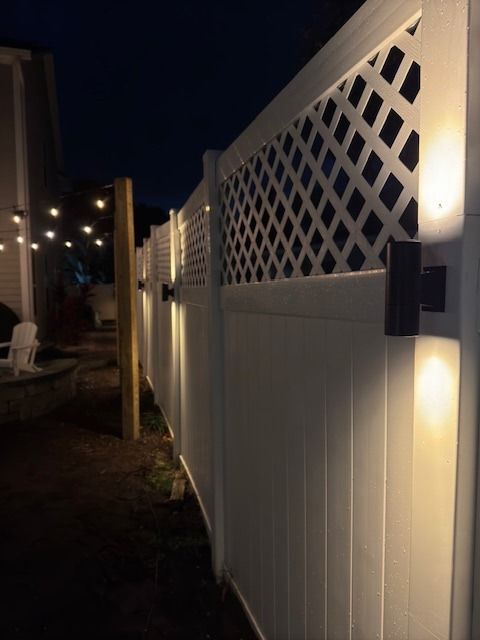
Grazing light across textured surfaces like stone or brick enhances depth and detail. Soft spotlighting on sculptures or focal plants creates visual anchors throughout the space. Water features benefit from a combination of submersible lighting and surrounding fixtures that reflect off moving surfaces.
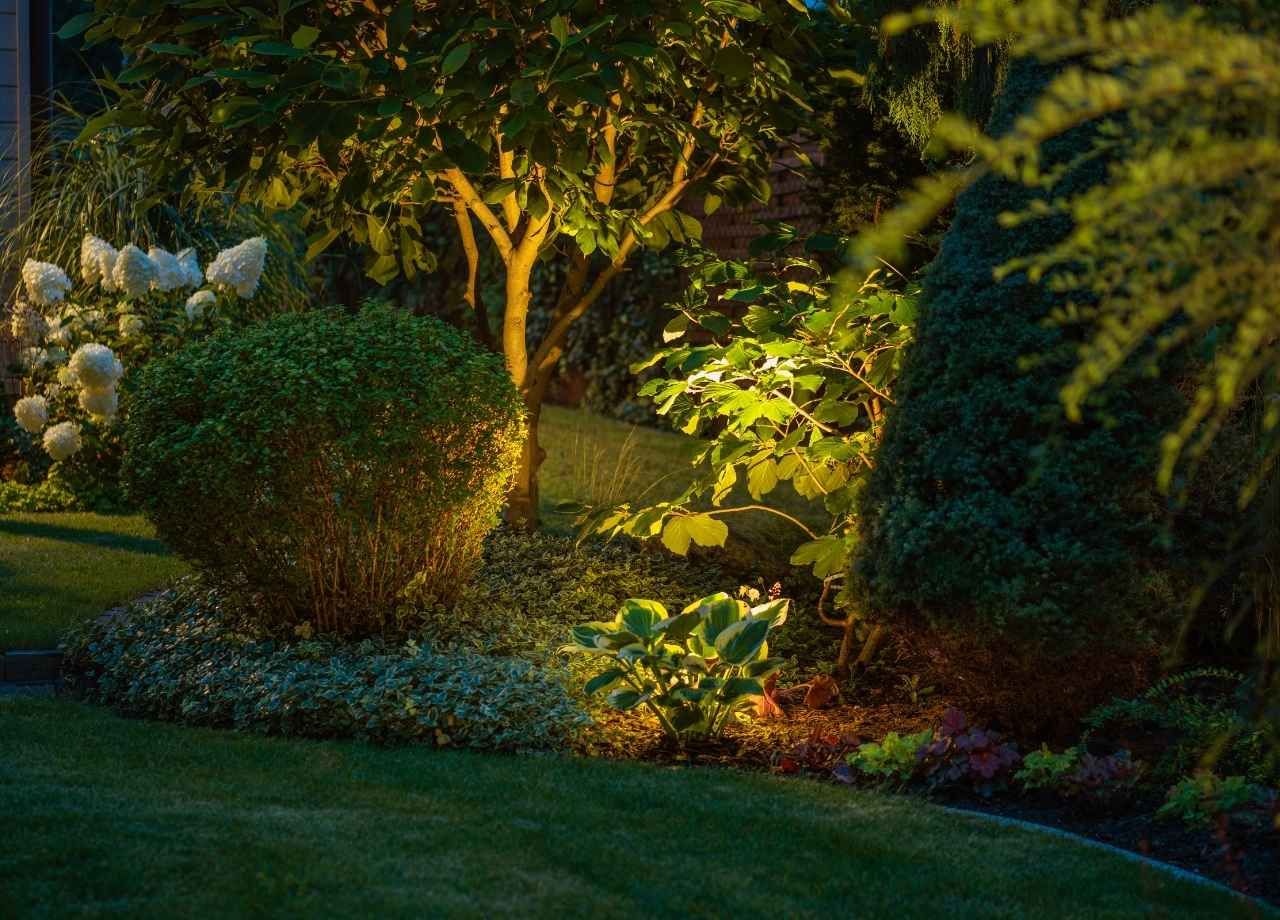
Placement should feel intentional but not obvious. The goal is to make the feature stand out while keeping the source of light subtle and discreet.
Integrating Smart Lighting Controls
Modern outdoor lighting systems offer far more control than simple on and off switches. Smart controls allow homeowners to adjust brightness levels, set schedules, and even change scenes based on the occasion.
Zoning is one of the most valuable features. Separating pathways, garden beds, and entertainment areas into different zones allows each space to function independently. Evening gatherings may call for brighter patio lighting while keeping garden areas softly illuminated.
Energy efficiency also improves with smart systems. Timers and motion sensors reduce unnecessary usage, while LED technology ensures long-lasting performance with minimal maintenance.
Creating Depth with Shadow and Contrast
Great lighting design is not just about illumination. Shadows play an equally important role. Controlled contrast adds drama and prevents the garden from looking flat.
Backlighting is an effective technique for creating silhouettes. Placing a light behind a plant or structure highlights its outline against a darker background. This works especially well with ornamental grasses or uniquely shaped shrubs.
Cross lighting introduces dimension by illuminating a feature from multiple angles. This reduces harsh shadows and reveals more detail. Balancing light and dark areas keeps the space visually interesting and comfortable to the eye.
Lighting Outdoor Living Areas
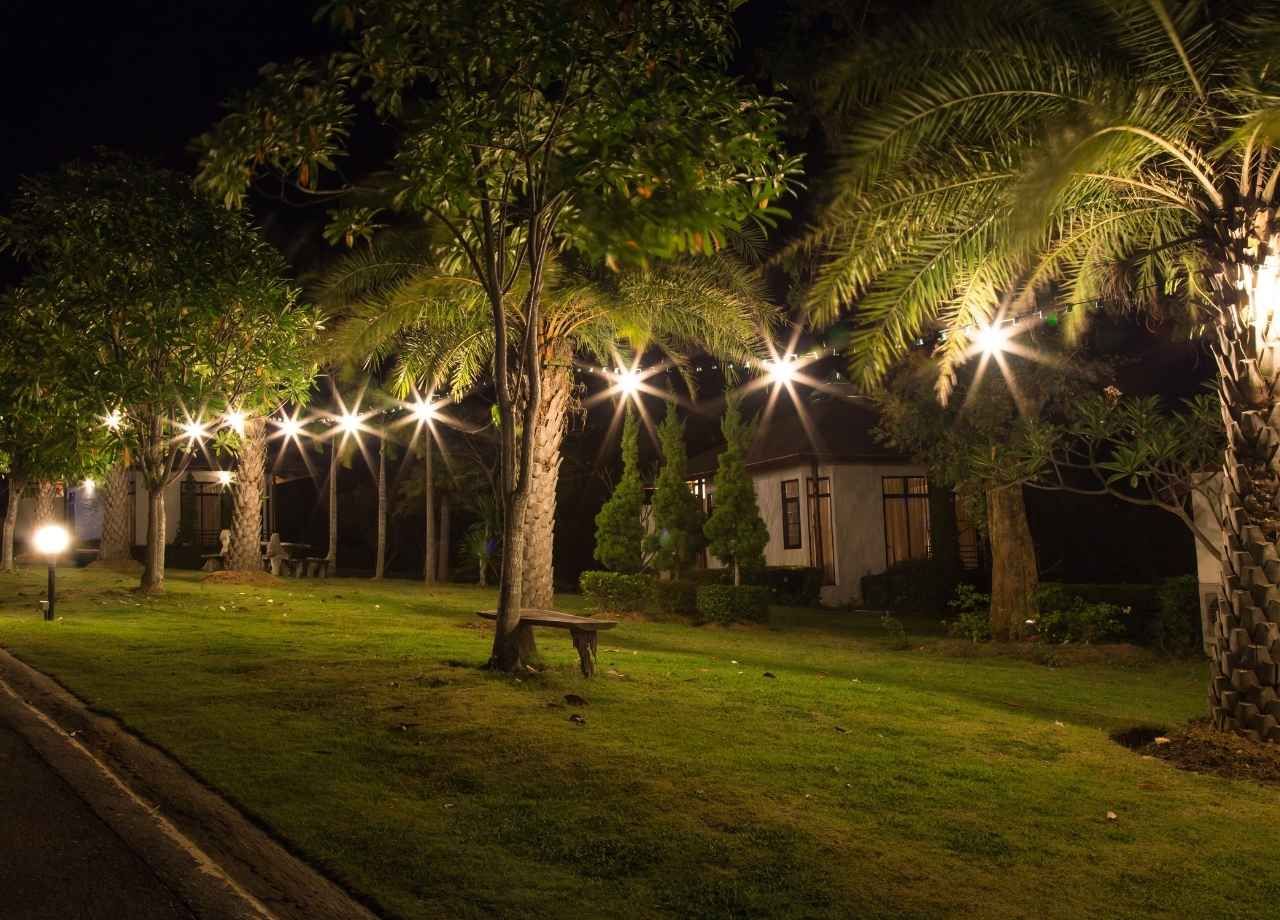
Gardens often connect directly to outdoor living spaces, so lighting should support how those areas are used. Seating areas benefit from softer, indirect lighting that encourages relaxation. Overhead string lighting or subtle downlighting from nearby structures creates a cozy environment without overpowering the space.
Dining areas require a bit more brightness for functionality. Pendant-style outdoor fixtures or focused downlights provide enough illumination while maintaining a warm atmosphere.
Fire features and water elements can act as natural focal points, so lighting should enhance rather than compete with them. Keeping surrounding lighting levels slightly lower allows these features to stand out.
Choosing the Right Fixtures for Longevity
Outdoor environments demand durable materials. Fixtures need to withstand moisture, temperature changes, and exposure to the elements. Brass and copper remain top choices for longevity and appearance. Aluminum can also perform well when properly finished.
Lens quality affects how light is distributed. High-quality optics ensure even light spread and reduce glare. Sealed fixtures protect internal components and extend the lifespan of the system.
LED technology continues to lead the way in efficiency and reliability. Modern LEDs offer consistent color output and significantly longer life compared to older lighting options. This reduces maintenance and keeps the system looking consistent over time.
Seasonal Adjustments for Year-Round Appeal
Gardens change throughout the year, and lighting should adapt along with them. Plants grow, foliage density shifts, and focal points evolve. Adjusting fixture angles and brightness levels keeps the lighting aligned with the landscape.
During warmer months, lighting may focus more on outdoor living areas and pathways. Cooler seasons often highlight structural elements like trees and architectural features when plant life is less prominent.
Holiday lighting can be integrated seamlessly into an existing system. Temporary adjustments or additional fixtures allow for seasonal accents without disrupting the overall design.
Avoiding Common Lighting Mistakes
Overlighting remains one of the most frequent issues in garden design. Too much brightness washes out detail and creates an unnatural look. Subtlety is far more effective.
Poor fixture placement can lead to glare or uneven coverage. Lights should never shine directly into seating areas or toward windows. Shielding and careful angling prevent discomfort and maintain visual appeal.
Ignoring maintenance leads to diminished performance over time. Cleaning lenses, adjusting fixtures, and replacing outdated components keeps the system functioning as intended.
Bringing It All Together
Outdoor garden lighting is a blend of art and precision. Each fixture plays a role in shaping how the space feels and functions after dark. A thoughtful approach considers layering, placement, material quality, and control systems to create a cohesive design.
A well-lit garden does more than look beautiful. It becomes an extension of the home, offering comfort, safety, and a sense of atmosphere that transforms everyday outdoor living.