Garden Shed Lighting Ideas That Elevate Function and Style
A garden shed often starts as a simple storage space, yet it can become one of the most useful and inviting areas in your outdoor environment with the right lighting approach. A well-lit shed supports practical tasks, extends usability into the evening, and adds a subtle layer of visual interest to your landscape. Thoughtful lighting choices can turn a dark, overlooked structure into a feature that complements your home’s overall design.
Homeowners in places like Jacksonville often look for lighting that balances durability with style. That is where a professional team like Aloha Outdoor Lighting can step in when a project calls for expert installation or a cohesive outdoor lighting plan. That said, understanding the possibilities helps you make informed decisions about your shed setup.
Understanding the Purpose of Your Shed Lighting
Before selecting fixtures, it helps to define how your shed is used. A potting shed has very different lighting needs compared to a tool storage unit or a backyard workshop. Lighting should support the tasks performed inside while also enhancing safety and accessibility.
Task-oriented sheds benefit from brighter, more focused illumination. Gardeners need clear visibility when working with plants, soil, and tools. Workshop sheds demand consistent lighting that reduces shadows and eye strain. Storage sheds may only require moderate brightness, but even those benefit from lighting that makes it easy to find items quickly.
Outdoor lighting professionals often start with a layered approach. Ambient lighting provides general illumination, task lighting focuses on specific work areas, and accent lighting highlights architectural details or nearby landscaping. Applying this same strategy inside and around your shed creates a balanced and effective result.
Natural Light as a Foundation
Daytime usability improves dramatically when natural light is part of the design. Windows, skylights, and translucent panels allow sunlight to fill the space without increasing energy costs. Placement matters.
South-facing windows tend to provide the most consistent light throughout the day, while strategically placed skylights can eliminate dark corners.
Frosted or textured glass works well when privacy is a concern. These materials diffuse sunlight, creating a softer glow without harsh glare. Many homeowners overlook this step, yet natural light reduces the need for artificial lighting during the day and creates a more pleasant working environment.
Combining natural light with artificial sources ensures your shed remains functional regardless of the time of day or weather conditions.
LED Lighting for Efficiency and Longevity
LED lighting has become the standard for outdoor and shed applications due to its efficiency and durability. These fixtures consume less energy and last significantly longer than traditional bulbs. Heat output stays low, which is especially important in smaller enclosed spaces like sheds.
Color temperature plays a major role in how the space feels. Cooler white light, typically between 4000K and 5000K, works well for task-oriented sheds because it enhances visibility and clarity. Warmer tones, around 2700K to 3000K, create a softer and more inviting atmosphere, ideal for sheds that double as relaxation spaces or garden retreats.
Many LED fixtures now include dimming capabilities, allowing you to adjust brightness based on your needs. This flexibility adds comfort and helps extend the life of the fixture.
Solar-Powered Shed Lighting Options
Solar lighting offers a practical solution for sheds located far from electrical sources. These systems collect energy during the day and provide illumination at night without requiring complex wiring. Modern solar fixtures have improved significantly in brightness and reliability.
Placement of the solar panel is critical. Panels should receive direct sunlight for most of the day to ensure optimal performance. Some systems come with separate panels connected by a cable, allowing you to install the light inside the shed while positioning the panel in a sunny location outside.
Solar lights work well for basic illumination and occasional use. Higher-end models can support brighter output and longer run times, making them suitable for more active shed environments.
Motion Sensor Lighting for Convenience and Security
Motion sensor lights add a layer of convenience that many homeowners appreciate. Lights activate automatically when movement is detected, eliminating the need to fumble for switches in the dark. This feature proves especially useful when carrying tools or equipment.
Security also improves with motion-activated lighting. Sudden illumination can deter unwanted activity and make your property feel safer overall. Exterior-mounted motion lights near the shed entrance provide visibility while approaching the structure at night.
Adjustable sensitivity and timer settings allow you to customize how the system behaves. Proper positioning ensures the lights respond accurately without being triggered by small animals or passing cars.
Interior Lighting Layout and Fixture Choices
A well-planned interior layout ensures even coverage and eliminates dark spots. Overhead fixtures serve as the primary source of light, while additional task lighting enhances specific areas. Hanging LED shop lights or flush-mounted ceiling fixtures work well in most sheds.
Workbenches benefit from under-cabinet or strip lighting that directs illumination exactly where it is needed. This setup reduces shadows and improves precision during detailed tasks. Magnetic or clip-on lights offer flexibility, allowing you to reposition them as your workspace evolves.
Wall-mounted fixtures can add another layer of brightness without taking up valuable ceiling space. Choosing fixtures with protective covers helps prevent damage from dust, moisture, and accidental contact.
Exterior Shed Lighting for Visual Appeal
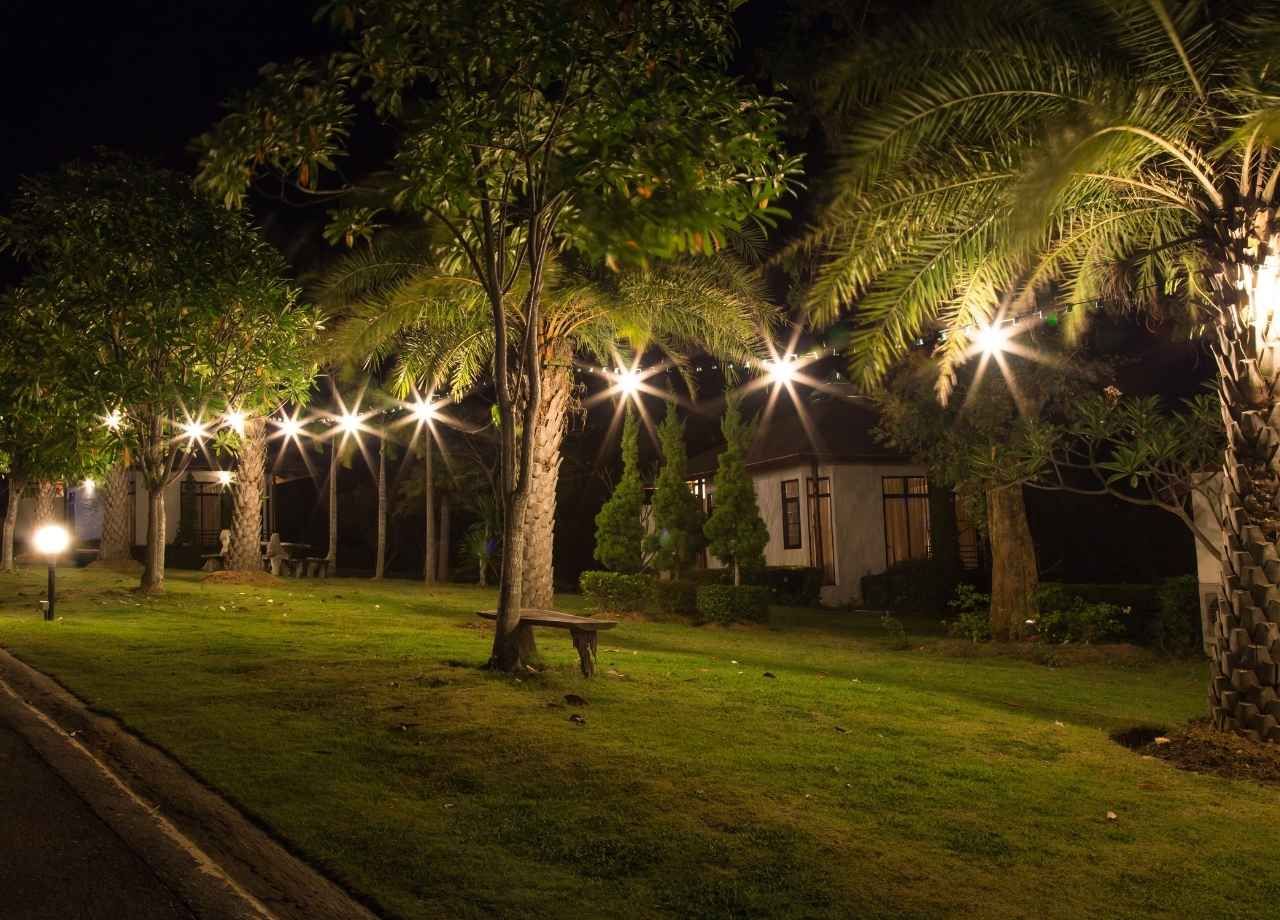
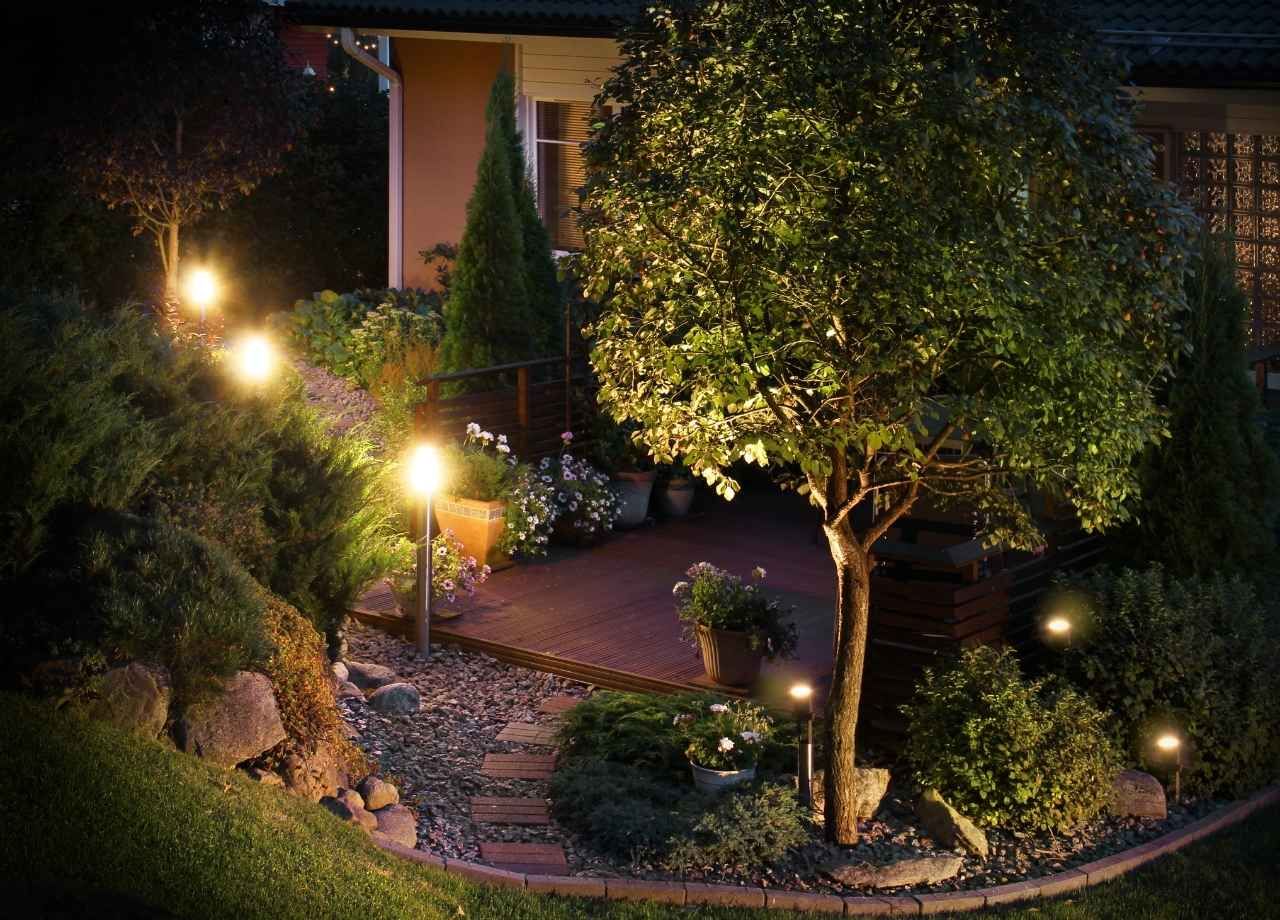
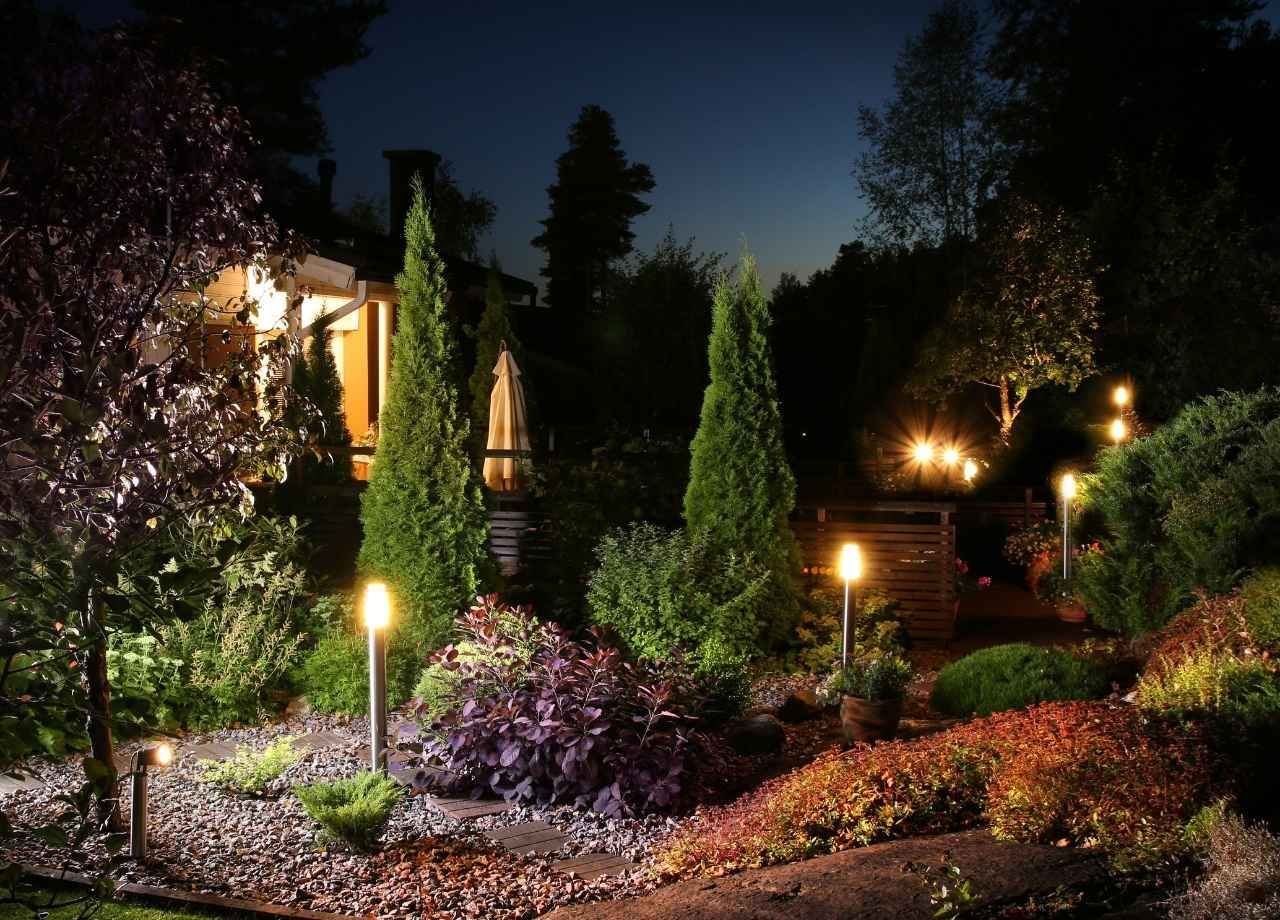
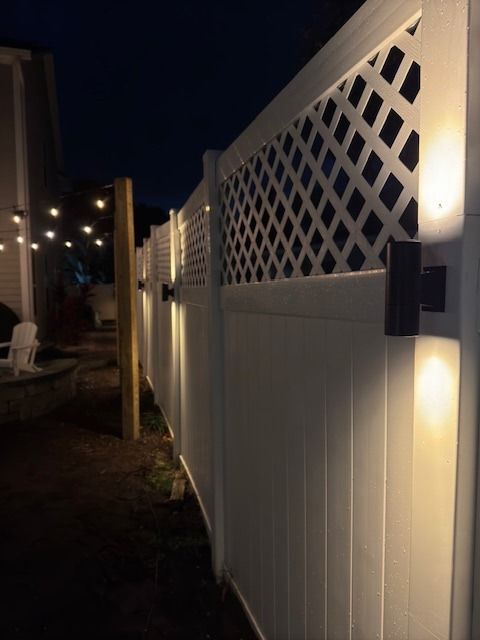
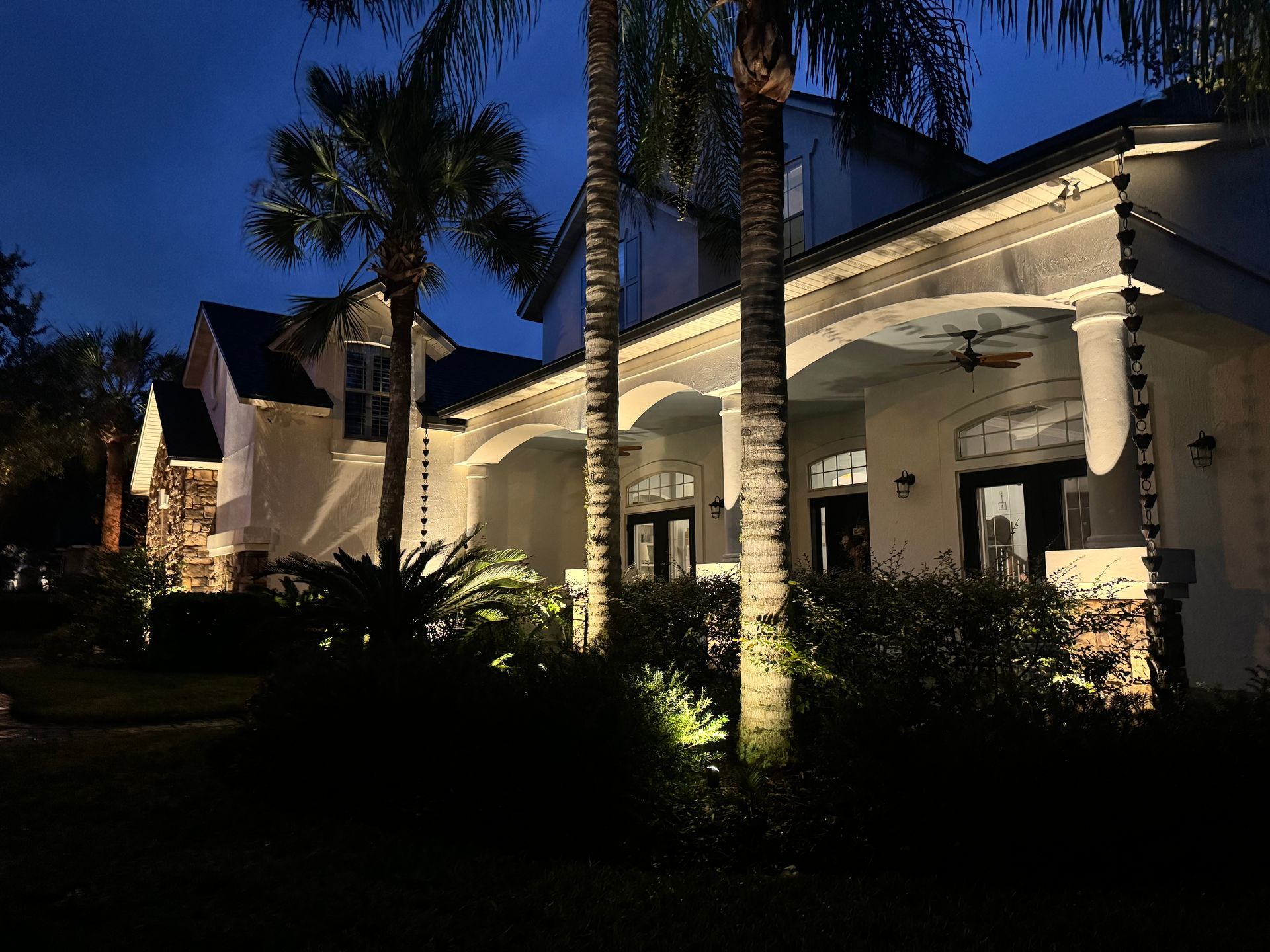
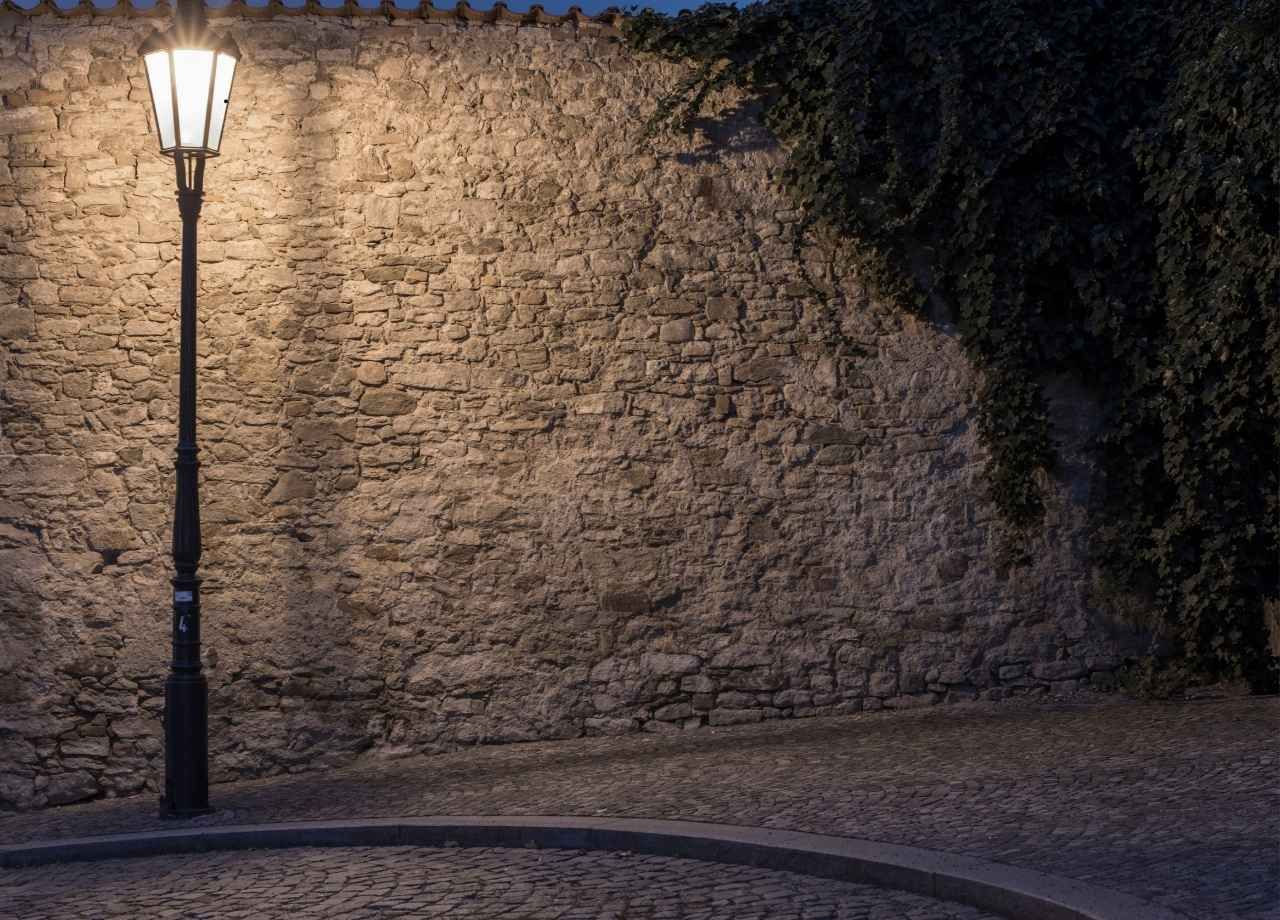
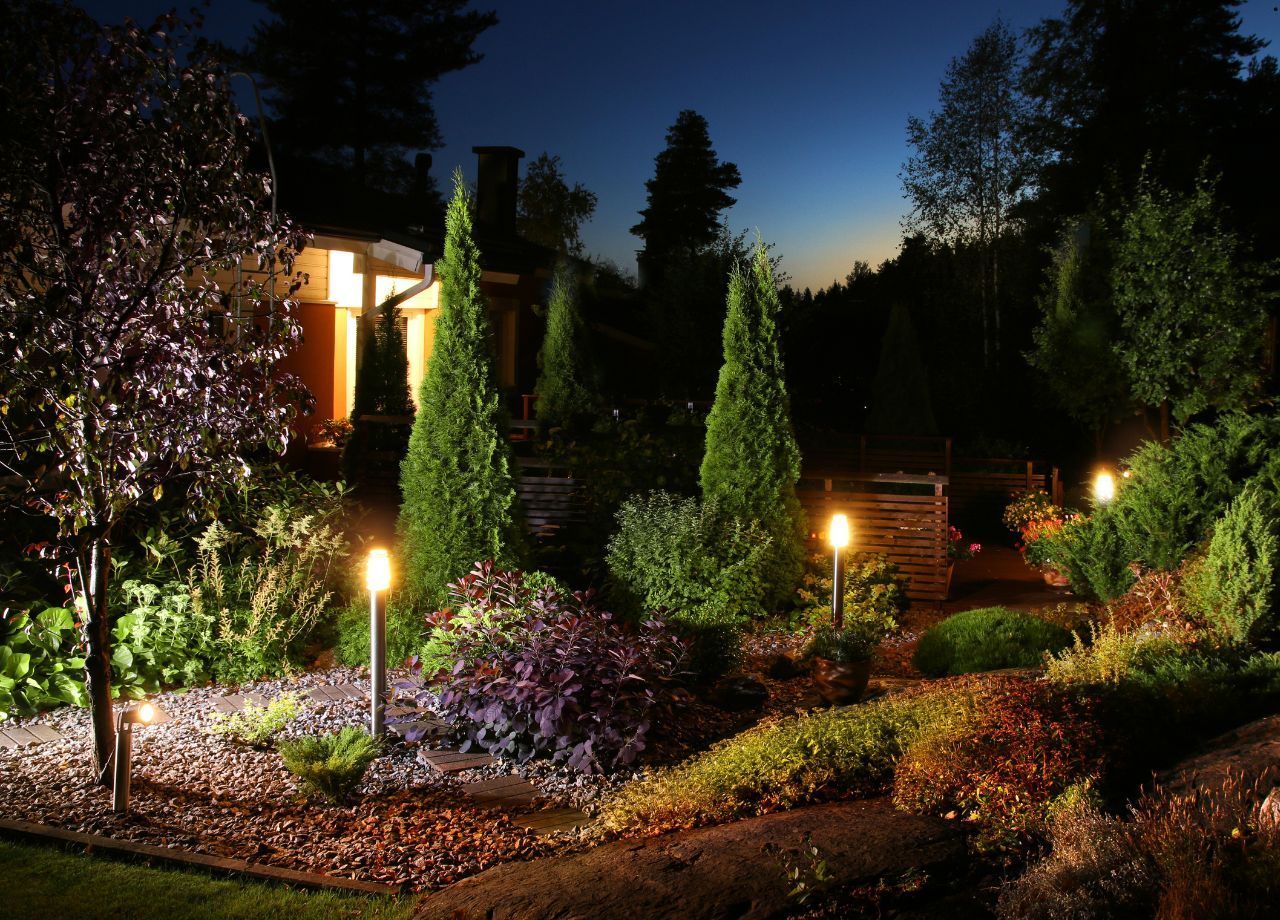
Exterior lighting transforms your shed into a cohesive part of your landscape rather than an isolated structure. Soft uplighting can highlight architectural features, while pathway lights guide movement safely to and from the shed.
Warm-toned fixtures create a welcoming glow that blends seamlessly with garden lighting. Installing lights along nearby plants or garden beds enhances depth and visual interest. This approach ties the shed into the overall outdoor design rather than treating it as an afterthought.
Weather-resistant materials are essential for outdoor fixtures. Look for lights rated for wet or damp conditions to ensure long-term performance.
Smart Lighting and Automation
Smart lighting systems bring a modern touch to shed illumination. These systems allow you to control lights remotely using a smartphone or integrate them with home automation platforms. Timers, schedules, and voice control add convenience and efficiency.
Smart bulbs and fixtures can also change color temperature or brightness based on your preferences. This feature works well for multi-purpose sheds that serve different functions throughout the day.
Automation reduces energy consumption by ensuring lights are only used when needed. This level of control makes smart lighting an appealing option for homeowners looking to enhance both functionality and efficiency.
Battery-Powered Lighting for Simple Installations
Battery-powered lights provide a quick and easy solution for sheds without electrical access. These fixtures are typically easy to install and require no wiring. Many models include adhesive backing or simple mounting hardware.
Advancements in battery technology have improved performance, allowing these lights to last longer between replacements. Rechargeable options add another layer of convenience and sustainability.
Battery-powered lights work best for occasional use or as supplemental lighting. Combining them with other lighting types creates a more reliable setup for frequent shed use.
Safety Considerations for Shed Lighting
Safety should always guide your lighting decisions. Proper wiring, weatherproof fixtures, and secure installation reduce the risk of electrical issues. Using fixtures designed for outdoor or damp environments ensures durability and reliability.
Adequate lighting also prevents accidents. Clear visibility reduces the chance of trips, falls, or mishandling tools. Bright, evenly distributed light is especially important in sheds used for cutting, drilling, or other detailed work.
Ventilation plays a role as well. Even though LED lights produce minimal heat, maintaining airflow helps keep the space comfortable and safe.
Creating a Shed That Works Day and Night
A thoughtfully lit garden shed offers more than just visibility. It becomes a functional extension of your home and garden. Lighting choices influence how often the space is used and how enjoyable it feels.
Combining natural light, efficient LEDs, and smart design creates a shed that adapts to your needs. Each lighting layer serves a purpose, from practical task illumination to subtle exterior accents that enhance your landscape.
Careful planning ensures your shed remains useful, inviting, and visually appealing throughout the year. The right lighting transforms a simple structure into a space that supports your lifestyle and enhances your outdoor environment.