Battery Operated Outdoor Motion Sensor Lights: A Practical Guide from a Lighting Professional
Outdoor lighting has shifted in a big way over the past few years. Homeowners want flexibility, efficiency, and security without dealing with complex wiring or high installation costs. Battery operated outdoor motion sensor lights answer all three needs when chosen and placed correctly.
A professionally designed lighting system still delivers the most polished and long-term results, and at Aloha Outdoor Lighting we often integrate low-voltage systems with strategic motion lighting where it makes sense. Still, battery-powered fixtures have carved out a valuable role for quick upgrades and targeted coverage.
How Battery Operated Motion Sensor Lights Actually Work
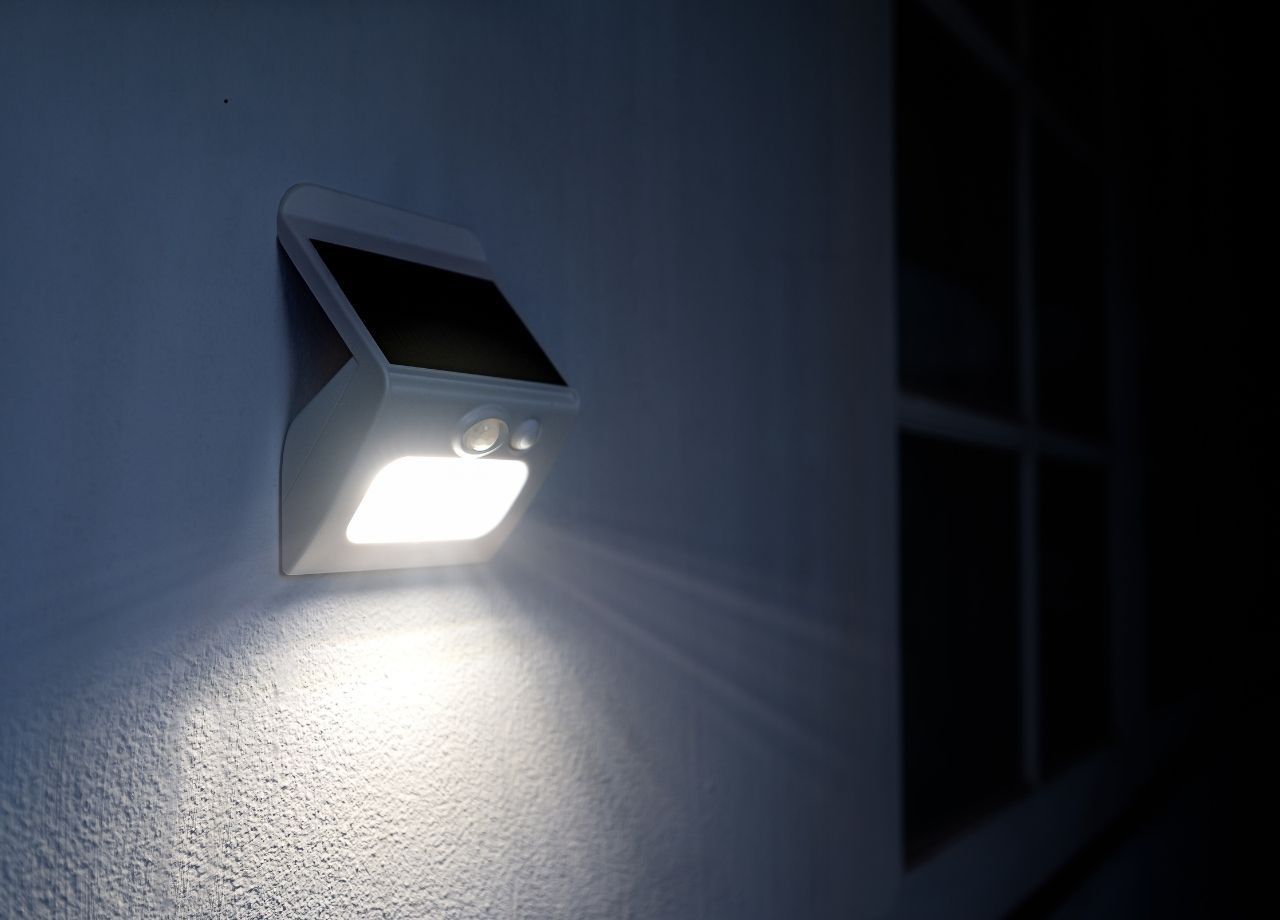
A battery operated motion sensor light combines three core components into one compact unit. The sensor detects movement, the control board processes that signal, and the LED array delivers illumination. Most units rely on passive infrared technology, often called PIR, which senses changes in heat signatures rather than movement itself.
When a person, animal, or vehicle enters the detection zone, the sensor registers a temperature shift against the background environment. That signal triggers the light to activate for a preset duration, usually anywhere from 10 seconds to a couple of minutes.
Modern fixtures have become much more refined. Sensitivity settings help reduce false triggers from small animals or wind-blown debris. Adjustable detection angles allow you to fine-tune coverage zones so the light activates only where needed. Some models even include ambient light sensors, preventing activation during daylight hours to preserve battery life.
The biggest advantage here is independence from electrical infrastructure. No trenching, no wiring, and no dependency on existing circuits. That flexibility opens up placement opportunities that wired systems cannot easily match.
Where Battery Powered Motion Lights Perform Best
Placement determines whether a motion light becomes a useful tool or a daily annoyance. These lights shine in areas where wiring would be difficult or unnecessary, and where intermittent lighting is more practical than constant illumination.
Entry points benefit greatly from motion activation. Side doors, back entrances, and garage access points often lack sufficient lighting. A well-placed battery unit provides immediate visibility without requiring a full lighting overhaul.
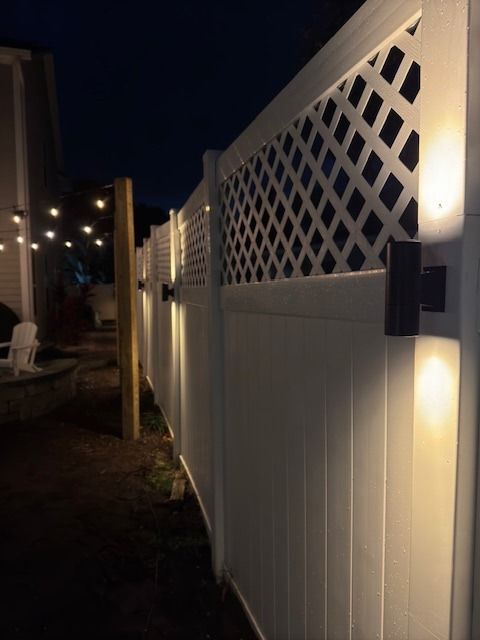
Perimeter areas also see strong results. Fences, detached sheds, and property edges can be covered quickly. These locations often sit far from the main electrical system, making battery-powered solutions ideal.
Pathways and transitional spaces are another strong use case. Motion lighting along a walkway offers guidance only when needed, preserving a darker environment the rest of the time. This approach reduces light pollution while maintaining safety.
Temporary or seasonal needs should not be overlooked. Outdoor gatherings, construction zones, or short-term rentals often require lighting that can be installed and removed without leaving a permanent footprint.
Key Features That Separate High Quality Units
Not all battery operated motion lights are built the same. Performance differences show up quickly, especially in outdoor environments where weather and temperature fluctuations put every component to the test.
Brightness is one of the first factors to evaluate. Look for lumen output rather than wattage. A unit in the 300 to 800 lumen range works well for small areas, while larger spaces may require 1000 lumens or more. Too much brightness in a confined area can create glare, so balance matters.
Battery efficiency plays a major role in long-term satisfaction. Units that rely on D-cell batteries often last longer between replacements, while rechargeable lithium options offer convenience but may require more frequent attention. Cold climates can reduce battery performance, so temperature ratings should be reviewed before installation.
Detection range and angle influence how effectively the light responds to movement. A wider angle covers more area, but it can also increase false triggers if not positioned carefully. Adjustable heads and sensors give you better control over this balance.
Build quality is another critical factor. Outdoor fixtures need proper sealing to handle rain, humidity, and dust. Look for weather resistance ratings that indicate reliable performance in real conditions, not just ideal scenarios.
Lighting tone also deserves attention. Cool white light provides a crisp, security-focused feel, while warmer tones create a softer appearance that blends better with residential settings. The right choice depends on the application and surrounding lighting design.
Installation Tips That Make a Real Difference
Installation may seem straightforward, but a few professional considerations can dramatically improve performance.
Mounting height affects both detection and light spread. Most motion lights perform best between 6 and 10 feet above ground level. Lower placement can limit detection range, while higher placement may reduce sensitivity to smaller movements.
Angle adjustment is often overlooked. The sensor should face across the path of motion rather than directly at it. Movement across the sensor field is easier to detect than movement directly toward it. This small adjustment can significantly improve responsiveness.
Avoid placing lights near heat sources or reflective surfaces. Air conditioning units, dryer vents, and even sun-heated walls can interfere with sensor accuracy. These factors may cause inconsistent activation or unnecessary battery drain.
Consider how the light interacts with surrounding fixtures. A motion light placed near a constantly illuminated area may not activate as expected if it includes a daylight sensor. Testing the setup during evening hours ensures everything works as intended.
Maintenance and Longevity Expectations
Battery operated lights require more attention than wired systems, but proper care keeps them running smoothly.
Battery replacement schedules vary based on usage and quality. High-traffic areas will drain batteries faster, especially if sensitivity settings are too high. Checking batteries every few months prevents unexpected outages.
Lens cleaning is another simple but important step. Dirt, dust, and moisture buildup can reduce brightness and sensor accuracy. A quick wipe with a soft cloth keeps performance consistent.
Weather exposure can take a toll over time. Even well-rated fixtures benefit from occasional inspection to ensure seals remain intact. Replacing worn gaskets or repositioning the unit can extend its lifespan.
Many homeowners overlook firmware or feature updates in newer smart-enabled units. Some battery motion lights now connect to mobile apps, offering customization and monitoring. Keeping these systems updated ensures optimal performance.
Limitations You Should Be Aware Of
Battery powered motion lights offer flexibility, but they are not a universal solution.
Continuous lighting needs are better served by wired systems. Motion lights are designed for short bursts of illumination, not extended use. Relying on them for primary lighting can lead to frustration.
Battery dependency introduces ongoing maintenance. Even the best units require periodic replacements or recharging. This factor becomes more noticeable in high-use areas.
Extreme weather can impact reliability. Very cold temperatures reduce battery efficiency, while intense heat can affect internal components. Choosing fixtures rated for your climate helps mitigate these issues.
Detection limitations also exist. PIR sensors may struggle with slow-moving objects or movements that fall outside their detection angle. Strategic placement helps, but expectations should remain realistic.
Smart Integration and Modern Advancements
Recent advancements have pushed battery operated motion lights beyond simple functionality. Smart features are becoming more common, adding a new layer of control and customization.
App-based controls allow users to adjust sensitivity, timing, and brightness directly from a smartphone. Notifications can alert homeowners when motion is detected, adding a security element without a full surveillance system.
Some models integrate with larger smart home ecosystems. Voice control and automation routines create a seamless experience when combined with other devices. Motion lighting can trigger additional lights or even indoor responses.
Solar-assisted battery units are also gaining traction. These fixtures use small solar panels to recharge during the day, reducing the need for manual battery replacement. Performance depends on sunlight availability, but the concept offers a strong balance between convenience and sustainability.
Choosing the Right Light for Your Property
Selecting the right unit starts with understanding your specific needs rather than chasing the highest specs.
A small backyard gate requires a different approach than a wide driveway. Matching lumen output, detection range, and mounting style to the space ensures better results.
Think about usage frequency. High-traffic areas benefit from durable units with efficient power management. Low-use zones can rely on simpler models without sacrificing effectiveness.
Aesthetic integration matters more than many expect. Even functional lighting contributes to the overall appearance of a property. Choosing a fixture that complements the home’s exterior creates a more cohesive look.
Budget plays a role, but the lowest-cost option often leads to higher long-term expense due to frequent replacements or poor performance. Investing in a well-built unit pays off through reliability and reduced maintenance.
Final Thoughts
Battery operated outdoor motion sensor lights fill a very specific and valuable role in modern outdoor lighting design. They provide quick solutions, flexible placement, and targeted illumination where traditional wiring falls short.
Success comes down to thoughtful selection and proper installation. A well-placed, high-quality unit can enhance safety, improve visibility, and add convenience without the complexity of a full lighting system.
For homeowners looking to build a complete outdoor lighting experience, these lights work best as part of a layered approach rather than a standalone solution. When combined with permanent low-voltage lighting, they add responsiveness and efficiency that elevate the entire setup.
Careful planning always leads to better results, and even the simplest lighting upgrade benefits from a professional mindset.