Palm Tree Landscape Lighting: Techniques and Professional Installation Tips
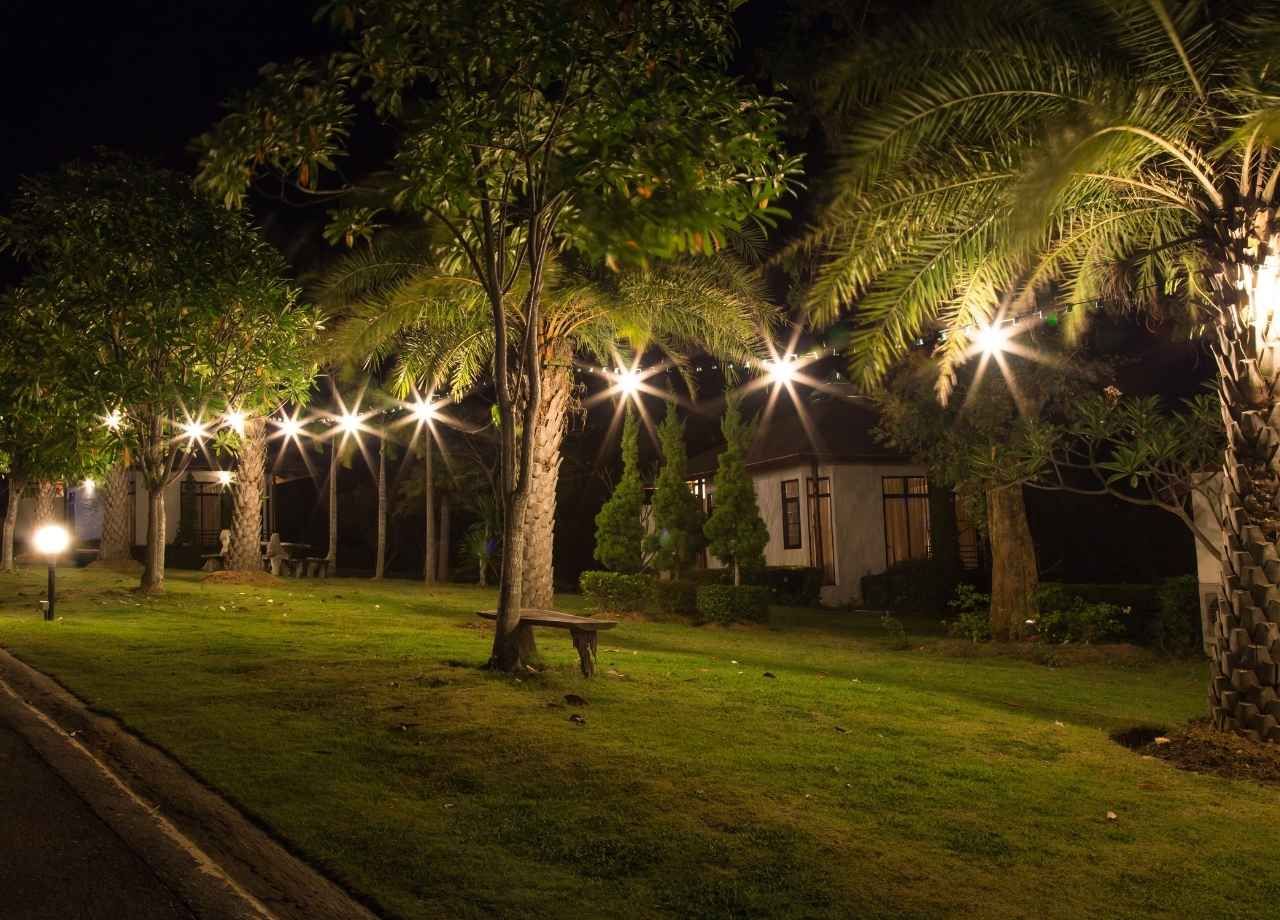
Palm trees add height, movement, and a strong tropical character to outdoor spaces. Well-designed lighting highlights those qualities after sunset by revealing the trunk texture, canopy structure, and overall scale of the tree.
Lighting palms requires a different strategy than standard shade trees. Their tall vertical trunks and clustered fronds respond best to precise fixture placement, controlled beam spreads, and careful aiming. Proper design creates depth and drama rather than harsh brightness.
Professional lighting designers approach palm trees as focal points within the landscape. Teams like Aloha Outdoor Lighting in Jacksonville often apply specialized techniques that highlight the natural form of palms while blending the illumination into the overall outdoor lighting plan.
Understanding the Structure of Palm Trees Before Lighting
Palm trees differ from traditional hardwood trees in ways that directly affect lighting design. A typical oak or maple has dense branching that spreads horizontally. Palm trees grow vertically with a narrow trunk and a crown of fronds at the top.
That structure changes how light travels through the canopy. Light placed too close to the trunk often produces a bright column of light with the crown disappearing into darkness. Proper placement pushes the beam farther away so the light spreads upward and outward into the fronds.
Trunk texture also plays a major role in lighting aesthetics. Many palms feature patterned bark rings that catch light beautifully when illuminated at the right angle. A shallow grazing angle across the trunk enhances texture and avoids flattening the surface.
Height must also be considered. Small palms around 8 to 12 feet require very different fixtures than 25 to 40 foot palms commonly found in coastal landscapes. Taller palms demand stronger output and tighter beam control so the light reaches the canopy without spilling across nearby surfaces.
Designers always evaluate three things before choosing fixtures. Tree height, trunk width, and canopy spread. Those details determine wattage, beam angle, and fixture placement.
The Uplighting Technique for Palm Trees
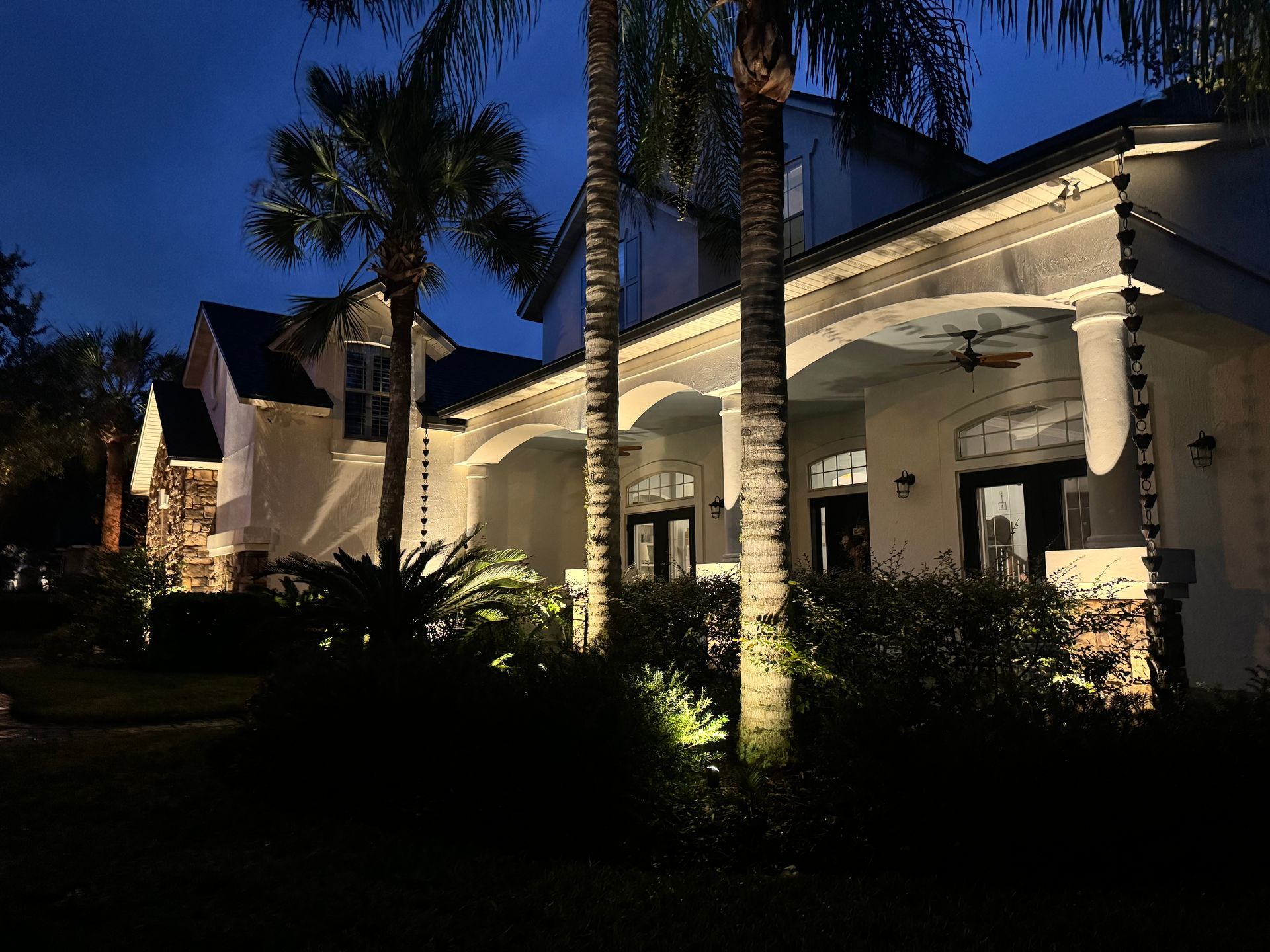
Uplighting remains the most widely used method for illuminating palms. A ground fixture projects light upward along the trunk toward the canopy, emphasizing height and structure.
Proper distance from the trunk makes the biggest difference in visual quality. Lights placed too close create a harsh vertical hotspot that washes out detail. A distance of roughly 18 to 36 inches from the trunk typically produces the best spread for medium palms. Large palms may require 3 to 5 feet of spacing.
Beam spread selection matters just as much. Narrow beams between 10 and 25 degrees work best for tall palms since the light travels farther without losing intensity. Wider beams often dissipate before reaching the fronds.
Fixture aiming should target the center of the canopy rather than the trunk. That aiming strategy allows the light to gradually wash up the trunk before expanding into the fronds above.
Palm uplighting often works best in odd-number groupings. Three palms lit together create rhythm and depth while preventing the landscape from appearing overly symmetrical.
Cross Lighting for Large Palms
Very tall palms sometimes benefit from cross lighting rather than relying on a single fixture. Cross lighting uses two fixtures placed on opposite sides of the tree.
This approach solves several problems at once. Harsh shadows disappear because each light fills the dark areas created by the other. Trunk texture becomes more visible from multiple viewing angles. Canopy lighting also becomes fuller and more balanced.
Landscape designers frequently use cross lighting for palms taller than 25 feet or when the tree stands in an open lawn area where viewers see it from several directions.
Spacing between the fixtures typically ranges from 3 to 6 feet away from the trunk depending on the palm size. Each fixture aims toward the crown from a slightly offset angle.
Balanced intensity between the fixtures remains important. Equal brightness prevents one side from overpowering the other.
Highlighting Palm Fronds for Dramatic Effect
Palm fronds create some of the most beautiful shadow patterns in landscape lighting. Proper illumination reveals their layered structure and gentle movement in the wind.
Light that reaches the underside of the fronds produces dramatic shadows across nearby walls, fences, or architectural surfaces. That effect adds movement and visual interest throughout the evening.
Beam control becomes especially important here. Narrow beams project light into the canopy while minimizing spill into the surrounding landscape.
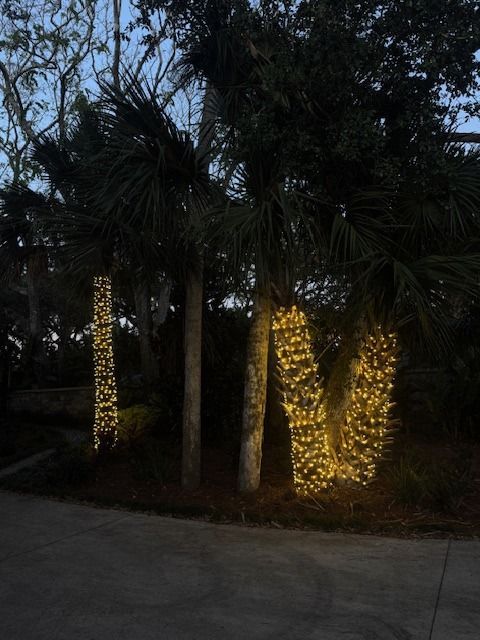
Aiming adjustments often occur at night during final installation. Small changes in angle dramatically affect how the fronds appear.
Lighting designers also pay attention to wind movement. Fronds sway frequently, so the lighting should maintain visual consistency even as the leaves move.
Choosing the Right Fixtures for Palm Lighting
Palm trees place unique demands on outdoor lighting fixtures. Height, exposure to wind, and environmental conditions require durable construction and precise optics.
Solid brass or copper fixtures perform best in coastal regions where humidity and salt air accelerate corrosion. Aluminum fixtures may degrade more quickly in these environments.
Optical lenses allow installers to adjust beam spread depending on tree height. Interchangeable optics help fine tune the lighting during installation.
Integrated LED systems remain the standard choice today. High quality LEDs produce consistent brightness, lower energy consumption, and long operating life.
Color temperature also influences the final appearance. Warm white light around 2700K to 3000K enhances the natural tones of palm trunks and foliage. Cooler lighting often appears artificial and harsh against organic materials.
Glare shields help conceal the light source from direct view. Palm lighting often sits in open lawn areas where viewers might otherwise see the fixture.
Avoiding Common Palm Lighting Mistakes
Poor palm lighting usually stems from simple placement errors or incorrect fixture selection. Fixing those mistakes often requires repositioning fixtures rather than increasing brightness.
One of the most common issues occurs when lights sit directly against the trunk. That placement creates extreme brightness at the base with very little canopy illumination.
Overlighting presents another frequent problem. Palm trees rarely require extremely high output. Subtle, controlled lighting creates a more elegant appearance.
Uneven spacing across multiple palms can also disrupt visual balance. Designers typically maintain consistent spacing and fixture distance for grouped trees.
Glare becomes a problem when fixtures face walkways, patios, or windows. Shielding and careful aiming eliminate most of these issues.
Maintenance access also deserves attention. Fixtures buried under mulch or dense plantings become difficult to service later.
Integrating Palm Lighting Into the Overall Landscape Design
Palm lighting works best when integrated with the rest of the landscape lighting plan. A single illuminated palm can appear disconnected if surrounding elements remain dark.
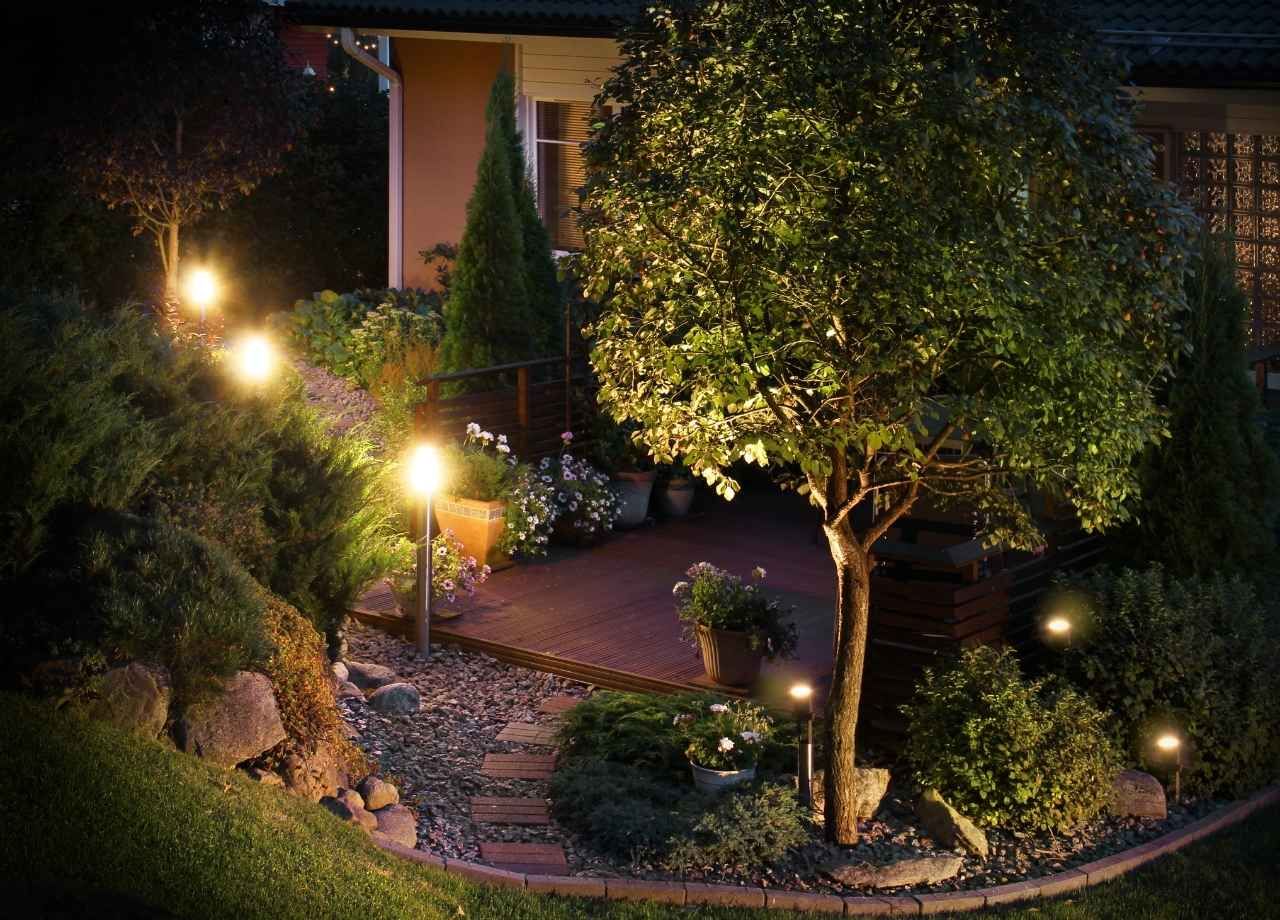
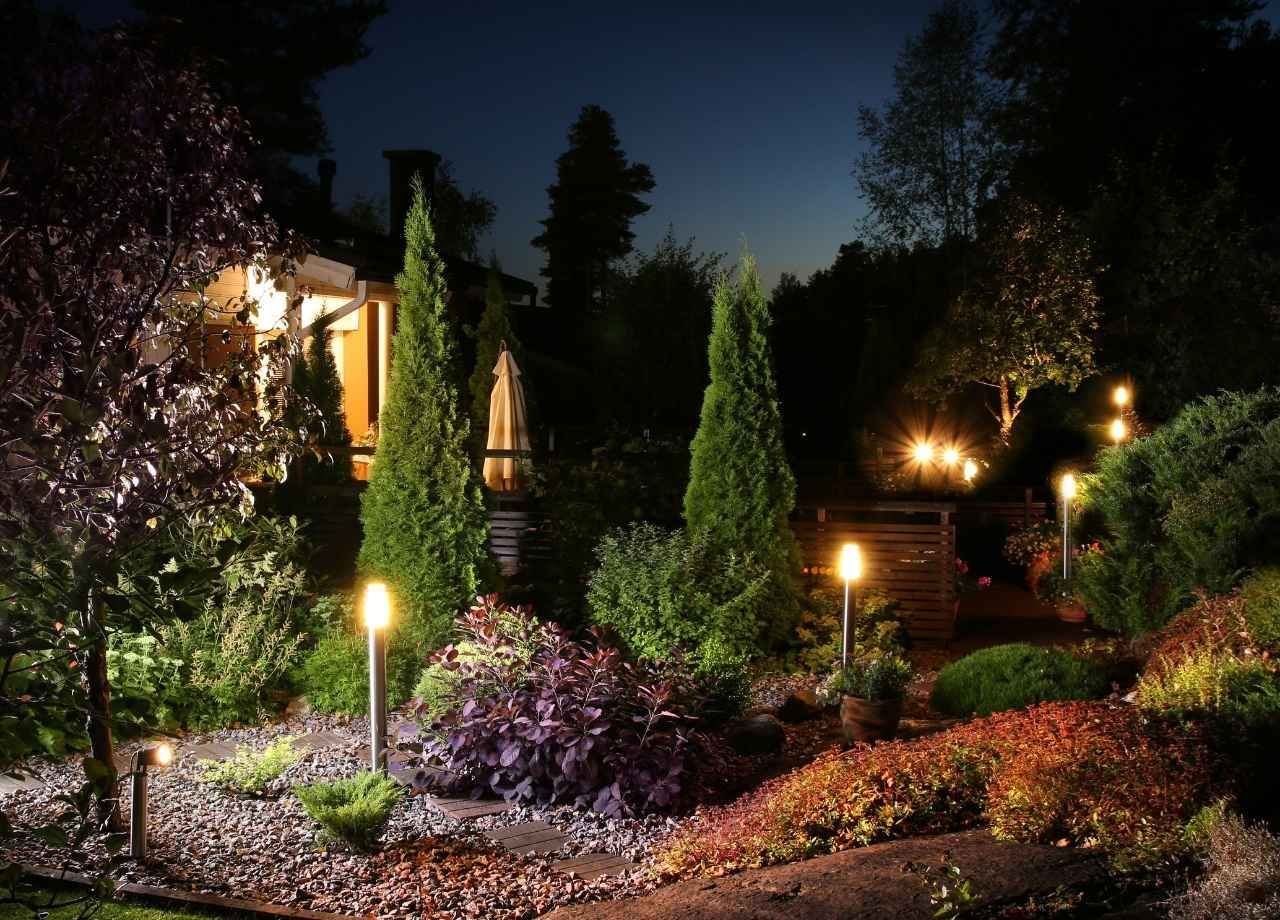
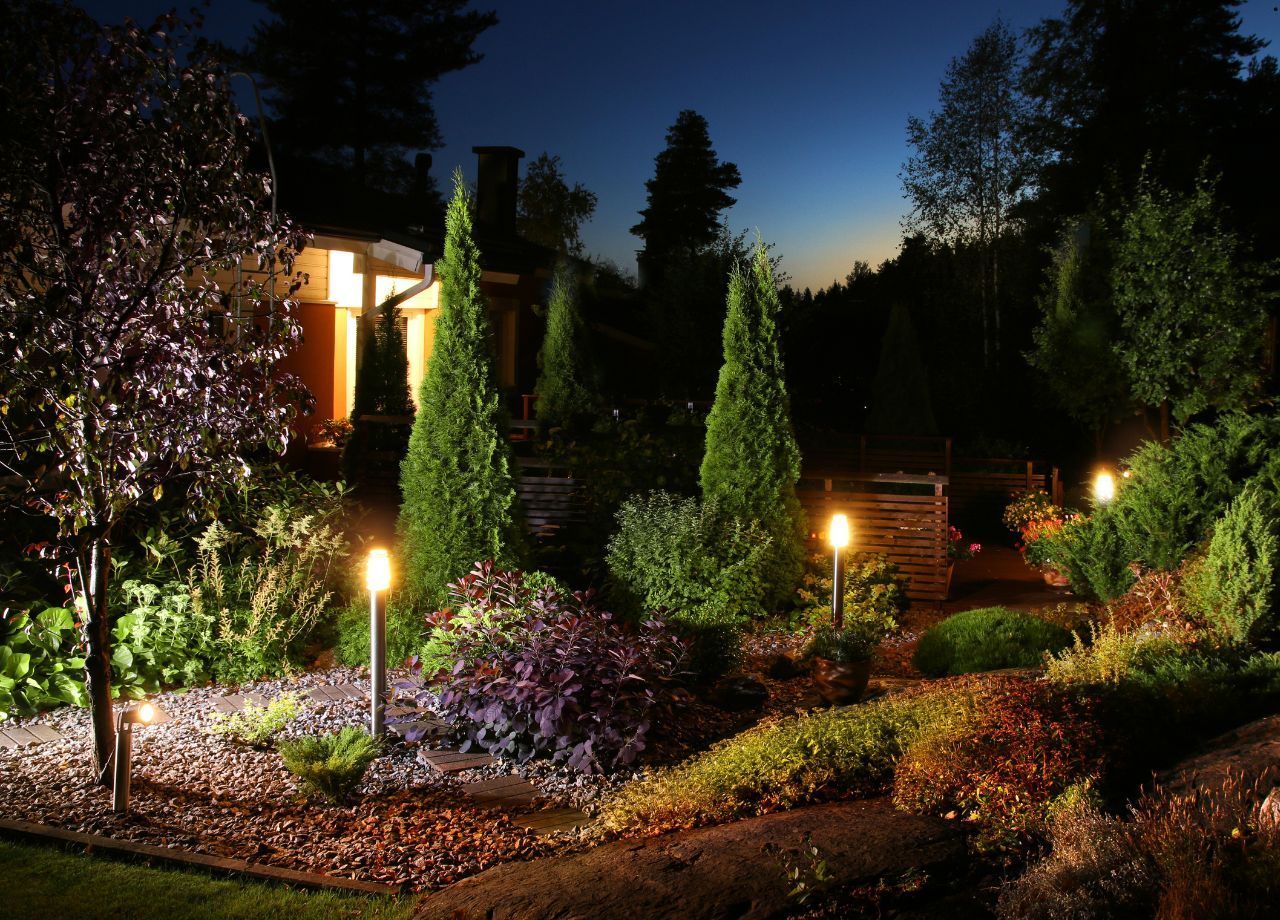
Layered lighting creates visual balance across the property. Path lights guide movement through the yard. Accent lights highlight shrubs and architectural features. Palm uplighting anchors the vertical elements.
Outdoor living areas also benefit from nearby palm lighting. Soft illumination around seating spaces adds atmosphere without overpowering the area.
Driveways and entryways frequently incorporate palm lighting to frame the approach to the home. That technique creates a welcoming arrival experience after dark.
Designers think about viewing angles during planning. Palm trees often appear in the background when viewed from patios, pools, or interior windows.
Lighting placement should complement those viewpoints rather than competing with them.
Energy Efficiency and Modern Control Systems
Modern LED technology allows palm lighting systems to operate efficiently while maintaining strong visual impact. Energy consumption remains very low compared with older halogen systems.
Smart control systems add another layer of flexibility. Timers and astronomical controllers automatically adjust lighting schedules throughout the year.
Homeowners may also integrate lighting with smart home systems that allow control from a mobile device.
Dimming capabilities offer another advantage. Certain evenings may call for softer lighting levels while gatherings might benefit from brighter settings.
Professional installers also consider voltage drop when designing larger systems. Proper transformer sizing and wire planning ensure consistent brightness across all fixtures.
Maintenance Considerations for Long Term Performance
Palm lighting systems require occasional maintenance to keep them performing well. Outdoor environments expose fixtures to soil movement, irrigation, and plant growth.
Annual inspections usually include cleaning lenses, adjusting fixture angles, and checking wire connections.
Landscape growth often changes how light spreads across the tree over time. Small aiming adjustments restore the original design effect.
Mulch accumulation sometimes buries fixtures partially, reducing performance. Clearing debris around fixtures maintains proper light projection.
LED systems rarely require bulb replacement, yet drivers and connections still benefit from periodic inspection.
Professional maintenance services often extend the life of the lighting system and preserve its appearance year after year.
Final Thoughts
Palm trees create striking focal points in a landscape, especially after dark. Proper lighting highlights the trunk texture, reveals the canopy structure, and adds vertical depth to the outdoor environment.
Successful palm lighting depends on precise fixture placement, controlled beam angles, and thoughtful integration with surrounding landscape lighting. When done well, palm trees become dramatic nighttime features that elevate the overall appearance of the property.