Why Your Solar Lights Stopped Working After a Florida Rainstorm
Florida storms hit outdoor lighting harder than many homeowners expect. One afternoon of heavy rain, high humidity, and wind-driven moisture can expose weaknesses inside solar landscape lights that seemed perfectly fine the day before. A path light that worked every night for months suddenly flickers, dims, or stays completely dark after a storm rolls through Jacksonville or anywhere along the Florida coast.
Many homeowners assume the solar panel failed or the battery simply died from age. Sometimes that is true. Most of the time, the problem starts with moisture intrusion, heat buildup, poor installation, or low-quality internal components that were never built for Florida weather.
Professional outdoor lighting companies like Aloha Outdoor Lighting often replace failed solar systems with low-voltage lighting when homeowners want better reliability during hurricane season and long stretches of summer rain. Still, many solar fixtures can be repaired or improved once the actual issue is identified.
Florida Rainstorms Create Conditions Most Solar Lights Cannot Handle
Outdoor solar lighting sold in big box stores is usually designed for moderate weather conditions. Florida creates a completely different environment. Afternoon thunderstorms dump heavy rainfall in a short amount of time. Humidity remains high overnight. Temperatures inside sealed fixtures rise dramatically during the day, then cool rapidly after storms move through.
That constant expansion and contraction weakens seals around battery compartments, solar panels, and LED housings. Tiny gaps form around rubber gaskets or plastic seams. Water vapor slips inside even when the fixture claims to be weather resistant.
A light may survive one storm without visible problems. Repeated exposure creates corrosion inside the fixture over time. Metal battery contacts begin turning green or white. Circuit boards collect moisture residue. Internal wiring starts breaking down from oxidation. The fixture eventually fails after a storm simply because the accumulated damage finally reaches a critical point.
Coastal areas create even more problems. Salt in the air accelerates corrosion on internal electronics and exposed terminals. Solar lights installed near pools also experience added chemical exposure from chlorine and moisture.
Water Inside the Fixture Is Usually the Main Problem
The most common reason solar lights stop working after rain is water intrusion. Many homeowners are surprised to learn that “waterproof” and “weather resistant” are not the same thing.
A fixture rated for outdoor use may handle light rain without issues. Florida storms involve sideways rain driven by strong winds. Water reaches places it normally would not during calm weather.
Battery compartments are one of the weakest points. Small rubber seals degrade quickly under UV exposure and heat. Once those seals crack or flatten, moisture enters the compartment during storms. Batteries sitting in damp conditions lose efficiency fast and may stop charging altogether.
Solar panel housings are another common failure point. Cheap plastic casings warp under direct sunlight. Tiny cracks form near mounting screws or corners. Water enters slowly and reaches the internal charging board.
Condensation also causes problems inside fixtures that appear completely sealed. Warm humid air gets trapped inside during the day. Cooler nighttime temperatures create internal moisture buildup. Over time, that condensation damages internal electronics even without direct rain exposure.
If you open a failed solar light and notice fogging, rust, white residue, or corrosion around the batteries, moisture is almost certainly involved.
Rechargeable Batteries Often Fail After Storms
Solar lights rely on rechargeable batteries to store energy collected during the day. Florida heat already pushes these batteries hard before storms arrive.
Many inexpensive solar fixtures use lower-grade NiMH or NiCd batteries. Those batteries degrade much faster in extreme heat and humidity. A heavy rainstorm may simply expose a battery that was already near failure.
Stormy weather also reduces charging time. Several cloudy days in a row prevent batteries from reaching full capacity. Weak batteries drain completely overnight and may not recover afterward.
Another issue appears when water reaches battery terminals. Corrosion builds quickly on the metal contacts inside the compartment. Even a small amount of corrosion interrupts charging performance.
Homeowners sometimes replace the entire fixture when only the batteries need replacement. Swapping in new high-quality rechargeable batteries often restores operation immediately, provided the internal circuitry has not been damaged.
Battery age matters too. Most solar light batteries last between one and three years in Florida conditions. Fixtures exposed to direct sun all day typically experience shorter battery life because of excessive heat buildup.
Dirty Solar Panels Become a Bigger Issue After Rain
Rain does not always clean solar panels the way people expect. Florida storms leave behind pollen, dirt, hard water residue, and debris that block sunlight from reaching the photovoltaic cells.
Tree coverage makes the problem worse. Wet leaves stick to panels after storms. Fine layers of grime build up gradually and reduce charging efficiency.
A solar panel does not need to be completely covered to lose performance. Even partial blockage affects charging output enough to create dim lighting or shortened run times at night.
Many homeowners overlook this issue because the panel still looks relatively clean from a distance. Close inspection often reveals a cloudy film across the surface.
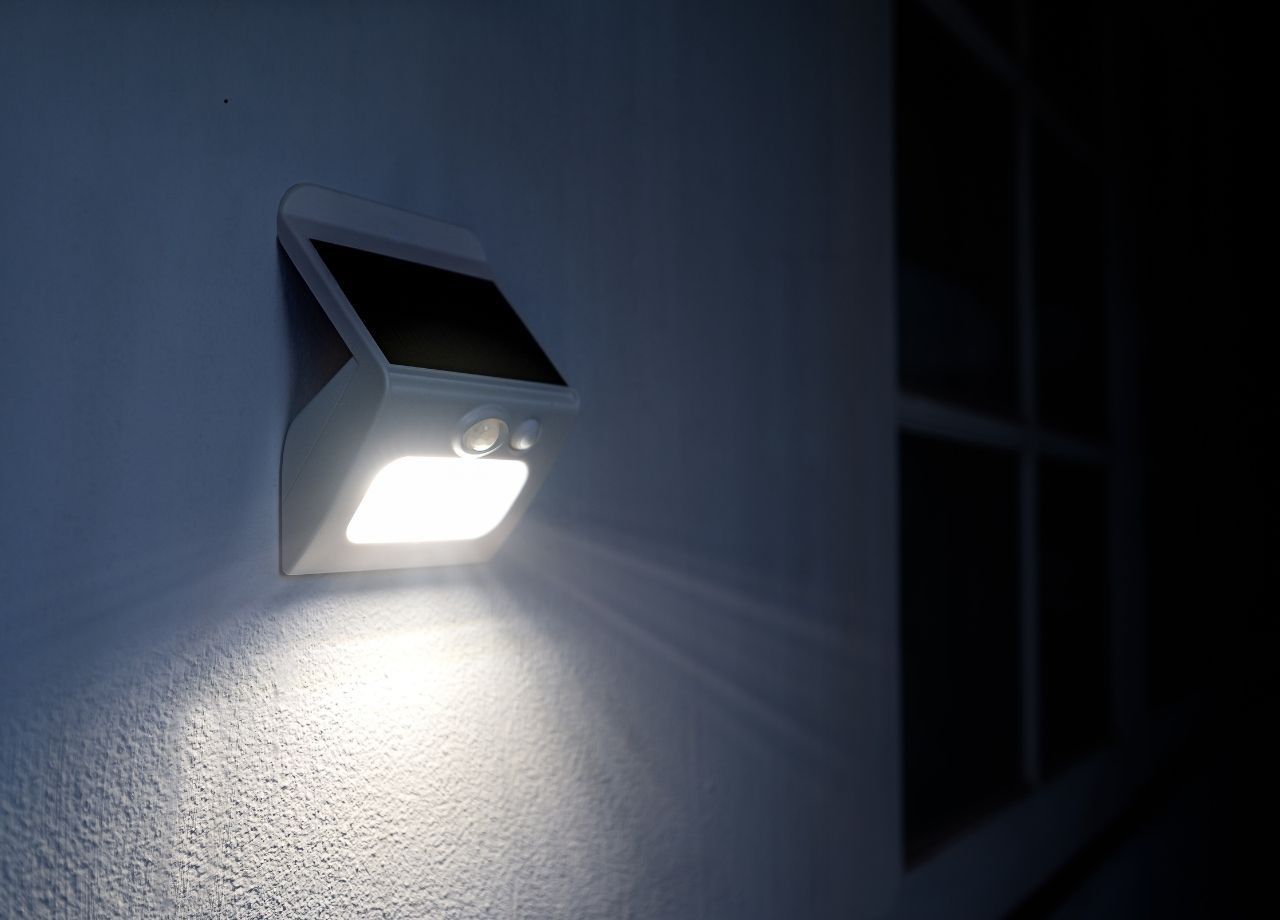
Regular cleaning with mild soap, water, and a soft cloth helps maintain charging performance. Abrasive cleaners should never be used because they scratch the panel surface and permanently reduce efficiency.
Placement also matters. Landscape growth changes over time. Shrubs, palms, or tree branches that were not blocking sunlight a year ago may now create significant shade during charging hours.
Flooded Ground Can Damage Underground Connections
Solar fixtures with separate panels or interconnected wiring systems face additional risks during heavy rainstorms.
Florida soil becomes saturated quickly during prolonged rain. Standing water around fixture bases allows moisture to reach underground wire connections. Low-quality connectors fail first. Water enters splice points and corrodes the copper wiring.
Ground shifting during storms can also loosen buried wiring. Fixtures tilt slightly or wiring becomes strained beneath the surface.
This problem appears frequently in hybrid systems where solar panels connect to remote fixtures using low-voltage cable. Homeowners may notice intermittent operation where lights work occasionally and then fail again after another storm.
Checking underground connections for corrosion or loose fittings often reveals the source of the problem.
Cheap Plastic Fixtures Break Down Faster in Florida Heat
Material quality plays a huge role in how solar lights survive storms.
Low-cost plastic fixtures become brittle after prolonged UV exposure. Florida sunlight weakens plastics much faster than cooler northern climates. Storm impact then accelerates the failure.
Tiny fractures around mounting points or seams allow water to enter. Homeowners may not even notice the cracks without close inspection.
Metal fixtures generally last longer, especially powder-coated aluminum or brass designs. Better fixtures also use stronger seals and higher-quality waterproofing around electronics.
The internal circuitry matters just as much as the exterior housing. Lower-end solar lights often use thin wiring, poorly sealed boards, and weak solder connections. High humidity gradually destroys those components.
A fixture that costs very little upfront often becomes expensive over time because of repeated replacement after storms.
Moisture Can Trigger Sensor Malfunctions
Most solar lights use photoresistors or light sensors to determine when to turn on at night. Moisture inside the sensor housing creates false readings.
A sensor exposed to water may think it is daytime even after sunset. The light never activates despite the battery being fully charged.
Storm debris can also block sensors temporarily. Mud splatter, wet leaves, or standing water interfere with normal operation.
Some fixtures recover once they dry out completely. Others experience permanent sensor failure due to corrosion on the control board.
Testing the fixture by covering the solar panel completely during daylight hours can help determine whether the sensor still functions properly.
Florida Storms Expose Weak Installation Practices
Installation quality affects solar light performance more than many homeowners realize.
Fixtures installed too low collect standing water around the housing. Lights placed near roof runoff areas experience excessive water exposure during storms. Poor drainage around pathways creates constant moisture conditions after rain ends.
Solar panels mounted at incorrect angles also struggle during storm season. Panels that remain shaded or collect debris easily cannot recharge batteries effectively.
Loose fixture assembly creates additional problems. Wind vibration gradually weakens seals and fasteners. Small installation flaws become major water intrusion points over time.
Professional installation usually addresses drainage, sun exposure, fixture spacing, and long-term weather resistance more effectively than quick DIY placement.
How to Troubleshoot Solar Lights After Heavy Rain
A systematic inspection helps determine whether the fixture can be repaired or needs replacement.
Start by checking for visible moisture inside the lens or battery compartment. Remove the batteries and inspect for corrosion or residue. Clean battery terminals carefully if buildup is minor.
Test the batteries with fresh replacements if possible. Many failures come down to weakened rechargeable cells rather than the fixture itself.
Clean the solar panel thoroughly and confirm it receives adequate direct sunlight during the day. Trim nearby landscaping if shade coverage has increased.
Inspect seals and housing joints for cracks or gaps. Small cracks may be sealed temporarily with outdoor-grade silicone, though severely damaged fixtures usually continue leaking.
Allow the fixture to dry completely before retesting. Some lights recover after several days of dry weather if moisture exposure was limited.
If the internal circuitry shows heavy corrosion, replacement is usually more practical than repair.
Reliable Outdoor Lighting Requires Better Weather Protection
Florida weather demands more from outdoor lighting systems than most standard solar products can provide.
Heavy rain, humidity, heat, salt air, and storm debris create constant stress on fixtures and electrical components. Solar lighting can work well when higher-quality materials, proper sealing, and correct installation methods are used.
Homeowners who experience repeated failures after storms often discover that upgrading fixture quality makes a major difference. Better waterproof ratings, stronger housing materials, and commercial-grade batteries improve long-term reliability significantly.
Outdoor lighting should continue performing after severe weather, not become another repair project every rainy season. Understanding what actually causes storm-related failures helps homeowners make smarter decisions about repairs, replacements, and future installations.